Satyrium: A Comprehensive Overview of This Diverse Orchid Genus
The genus Satyrium represents a fascinating group of orchids within the family Orchidaceae. Known for their diverse forms and widespread presence in specific tropical and subtropical regions, these plants offer significant interest to botanists and enthusiasts alike. While the genus is well-established, its complex evolutionary history and the tendency for species to hybridize continue to provide rich material for scientific study.
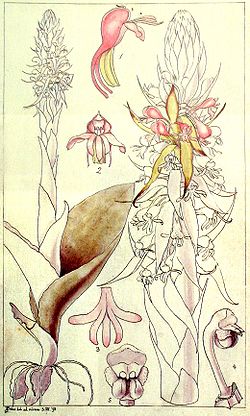
Key Facts
- Primary Habitat: Most species are native to sub-Saharan Africa and Madagascar.
- Geographic Range: Four species extend their reach into Asia, specifically India and Sri Lanka.
- Species Count: The Kew plant list (2010) recognized 85 accepted full species.
- Closest Relative: The genus Pachites is presumed to be its closest relative.
- Taxonomic Classification: It is currently placed within the subtribe Orchidinae.
Scientific Classification and Taxonomy
To understand the place of Satyrium in the natural world, one must look at its hierarchical classification. As a member of the monocots (plants with a single embryonic leaf) and the order Asparagales, it belongs to a large and diverse group of flowering plants.
Evolutionary Relationships
Historically, the classification of Satyrium has undergone significant changes. In the past, other orchids with helmet-shaped flowers—such as Aceras, Chamorchis, and Platanthera—were often grouped within this genus. However, modern botanical research has determined that these plants do not belong to Satyrium. They are now classified within the tribe Orchideae rather than the subtribe Satyriinae.
In a 2015 classification of the Orchidaceae family, Satyrium was officially placed in the subtribe Orchidinae. It shares a close relationship with the genus Pachites; together, they form the subtribe Satyriinae of the Diseae.
Diversity and Biological Complexity
The genus is characterized by a high degree of species diversity. While the 2010 Kew plant list identified 85 accepted species, the exact number remains a subject of ongoing research due to the complexities of molecular phylogenetics—the study of evolutionary relationships using genetic data.
One major challenge for scientists is that hybridization (the breeding of different species) occurs frequently between several Satyrium species. This makes it difficult to conduct accurate studies using mitochondrial and chloroplast DNA sequences, as the genetic lines between species can become blurred.
Summary of Taxonomic Data
| Rank | Taxon |
|---|---|
| Kingdom | Plantae |
| Clade | Embryophytes, Tracheophytes, Angiosperms, Monocots |
| Order | Asparagales |
| Family | Orchidaceae |
| Subfamily | Orchidoideae |
| Tribe | Orchideae |
| Subtribe | Orchidinae |
| Genus | Satyrium Sw. |
Accepted Species
The genus contains a wide array of species, many of which are unique to their specific African or Asian habitats. Some notable examples of currently accepted species include:
- Satyrium aciculare
- Satyrium aethiopicum
- Satyrium bracteatum
- Satyrium macrophyllum
- Satyrium odorum
- Satyrium pilosum
Note: This is a partial list; the genus contains dozens of recognized species.
Frequently Asked Questions
Where are Satyrium orchids most commonly found?
The majority of Satyrium species are found in sub-Saharan Africa and Madagascar, though four species are also found in parts of Asia, including India and Sri Lanka.
Why is studying the DNA of Satyrium difficult?
Because different species within the genus often hybridize, their mitochondrial and chloroplast DNA sequences can be difficult to distinguish, complicating molecular phylogenetic studies.
Is Satyrium related to the Platanthera genus?
While they were historically grouped together due to similar helmet-shaped flowers, Platanthera is no longer considered part of the Satyrium genus.
What is the closest relative to Satyrium?
The genus Pachites is presumed to be the closest relative to Satyrium.
How many species of Satyrium are there?
As of the 2010 Kew plant list, there were 85 accepted full species, though the exact number can vary based on how scientists classify subspecies and hybrids.