Detritivores: The Essential Recyclers of Nature's Ecosystems
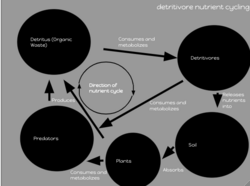
In every healthy ecosystem, there is a hidden workforce tirelessly cleaning the environment and renewing the soil. These organisms are known as detritivores—heterotrophs that obtain their nutrients by consuming detritus, which consists of decomposing plant and animal matter, as well as feces. From the depths of the ocean to the driest deserts, detritivores ensure that life can continue by recycling the building blocks of existence.
While they are often confused with decomposers, detritivores play a distinct and vital role in the process of remineralization (the conversion of organic matter back into inorganic forms). They act as the first responders in the breakdown process, fragmenting large pieces of dead organic matter into smaller bits. This physical breakdown creates a larger surface area, allowing other decomposers to complete the chemical recycling process.
Detritivores vs. Decomposers
Although the terms are frequently used interchangeably, there is a fundamental biological difference between a detritivore and a decomposer. The distinction lies in how they consume their food:
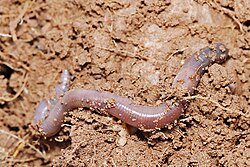
- Detritivores ingest discrete lumps of organic matter. They physically eat and digest detritus internally. Examples include arthropods, earthworms, and certain marine animals.
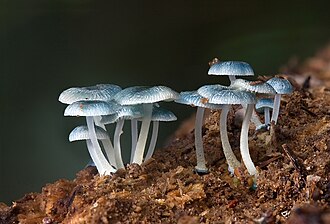
- Decomposers (such as many bacteria, fungi, and protists) utilize saprotrophic nutrition. They cannot ingest solid matter; instead, they absorb and metabolize nutrients on a molecular scale by secreting enzymes externally.
Types and Classifications of Detritivores
Detritivores are found in any environment with an organic component. In marine settings, they are often referred to as bottom feeders. They can be categorized by their size and the specific materials they consume.
Size-Based Classification
- Macrodetritivores: Larger organisms such as millipedes, springtails, and woodlice.
- Microdetritivores: Microscopic organisms, such as certain bacteria.
Specialized Feeding Behaviors
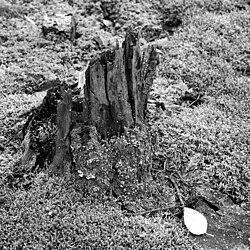
Some organisms specialize in specific types of detritus. For instance, xylophagy is the consumption of wood, whether it is alive or dead. Those that feed exclusively on dead wood are known as sapro-xylophagous. Additionally, some detritivores engage in coprophagy, the consumption of feces.
The Ecological Importance of Nutrient Cycling
Detritivores are critical to the energy flow and biogeochemical cycles of the planet. Plant tissues contain resilient molecules like cellulose, lignin, and xylan, which decay very slowly. Without detritivores to shred this litter, organic debris would accumulate indefinitely, choking the ecosystem.
By breaking down this matter, detritivores help reintroduce essential elements back into the soil, including:
- Carbon
- Nitrogen
- Phosphorus
- Calcium
- Potassium
In different biomes, these organisms adapt to survive. In deserts, detritivores live in underground burrows to escape extreme surface heat. In marine benthic ecosystems, they form the foundation of food chains and drive the nitrogen cycle. Interestingly, detritivore activity is heavily influenced by moisture; rainfall increases both their feeding and excretion rates.
Summary of Detritivore Characteristics
| Category | Examples | Primary Function | Environment |
|---|---|---|---|
| Terrestrial Macrodetritivores | Millipedes, Earthworms, Woodlice | Fragmenting plant litter | Forests, Gardens, Deserts |
| Marine Detritivores | Sea cucumbers, Sea stars, Fiddler crabs | Benthic nutrient cycling | Ocean floors |
| Sapro-xylophagous | Specialized wood-eating insects | Breaking down lignin/cellulose | Woodlands |
| Microdetritivores | Certain bacteria | Molecular-scale breakdown | Ubiquitous |
Key Facts
- Detritivores perform the first stage of remineralization by physically fragmenting dead matter.
- They prevent the accumulation of plant litter by breaking down resilient molecules like lignin and cellulose.
- Unlike decomposers, detritivores ingest their food rather than absorbing it molecularly.
- During the Carboniferous period, the lack of lignin-digesting fungi led to massive accumulations of plant tissue, which eventually became today's fossil fuels.
- Some detritivores can incidentally concentrate toxic pollutants by feeding directly on sediments.
Frequently Asked Questions
What is the difference between a detritivore and a scavenger?
While both are part of consumer-resource systems, scavengers typically consume larger quantities of organic matter (such as whole carcasses), whereas detritivores focus on smaller particles of detritus and decomposing matter.
Why are detritivores important for plant growth?
They release trapped nutrients—such as nitrogen, phosphorus, and potassium—from dead plant tissues and return them to the soil, making them available for plants to absorb and use for growth.
How does rainfall affect detritivores?
Detritivore feeding behavior is closely linked to moisture levels; moist soil generally increases the rate at which these organisms feed and excrete.
What happens if detritivores are missing from an ecosystem?
Without detritivores, plant litter would accumulate on the surface, and the recycling of vital nutrients would slow down significantly, potentially starving the soil of the elements needed for new plant life.
Can detritivores be harmful?
While they are essential for the environment, some detritivores can incidentally concentrate toxic pollutants in their bodies as they feed on contaminated sediments.