Desmond Tutu: The Moral Compass of South Africa
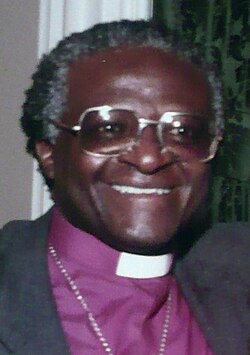
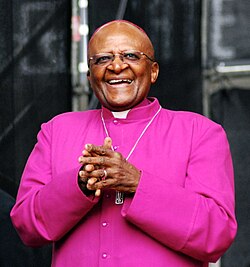
Desmond Mpilo Tutu was more than a religious leader; he was a global symbol of peace, forgiveness, and the relentless pursuit of human rights. As the Archbishop of Cape Town and a key figure in the struggle against apartheid—the system of institutionalized racial segregation in South Africa—Tutu utilized his faith and his platform to advocate for a non-violent transition to a democratic society.
Key Facts
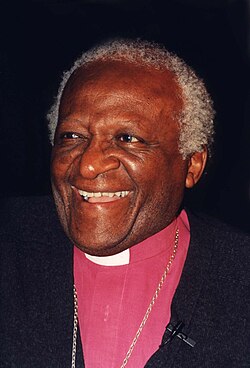
- Born: October 7, 1931, in Klerksdorp, Transvaal, Union of South Africa.
- Died: December 26, 2021, in Cape Town, South Africa.
- Highest Ecclesiastical Office: Archbishop of Cape Town (1986–1994).
- Major Achievement: Chairman of the Truth and Reconciliation Commission (1996–1998).
- Global Recognition: Nobel Peace Prize laureate.
- Education: Degrees from University of South Africa, St Peter's Theological College, and King's College London.
Early Life and Spiritual Journey
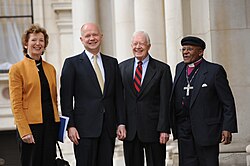
Desmond Tutu's path to leadership began with a diverse educational background, attending the Pretoria Bantu Normal College before pursuing higher studies. His early spiritual formation was influenced by his time as a server at the Church of Christ the King in Sophiatown under priest Trevor Huddleston.
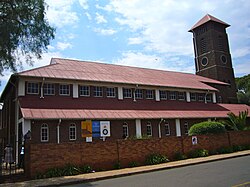
Tutu entered the clergy in the early 1960s, being ordained as a deacon in 1960 and a priest in 1961. His early ministry took him to various congregations, including the Church of St Alban the Martyr in Golders Green, where he first ministered to a white congregation.
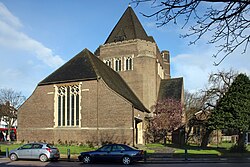
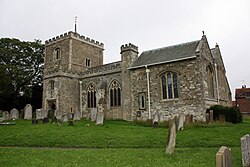
His academic pursuits continued alongside his ministry; while earning his master's degree, he served as an assistant curate at St Mary's Church in Bletchingley, Surrey.
Rise Through the Anglican Church
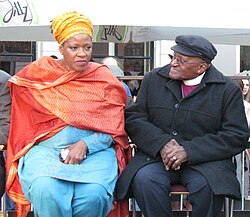
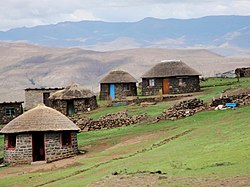
Tutu's career was marked by a steady ascent through the hierarchy of the Anglican Church of Southern Africa. He served as the Dean of St Mary's Cathedral in Johannesburg and later became the Bishop of Lesotho, where he spent significant time visiting remote mountain communities.
From 1978 to 1985, he served as the General-Secretary of the South African Council of Churches (SACC), a role that placed him at the forefront of the religious opposition to the apartheid regime. He later became the Bishop of Johannesburg in 1985 before reaching the pinnacle of his church career as the Archbishop of Cape Town on September 7, 1986.
Activism and the Fight Against Apartheid
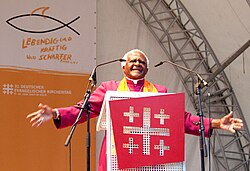
As a prominent voice against racial injustice, Tutu became a global figure. He was known for his fearless criticism of both the South African government and international leaders who supported it. For instance, he described the administration of US President Ronald Reagan as "an unmitigated disaster" for Black South Africans.
![US President Ronald Reagan meeting with Desmond Tutu in 1984. Tutu described Reagan's administration as "an unmitigated disaster for us blacks",[162] and Reagan himself as "a racist pure and simple".[163]](/images/81/10/8110f15dacf10c882799f9351c7b5d67a2a800b5b0dee44e478d3e4bc5b79c87.jpg)
His commitment to non-violence and human dignity earned him the Nobel Peace Prize. He continued to travel the world, visiting cities like San Francisco to spread the message of justice and equality.
Reconciliation and Later Years
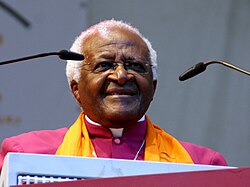
Following the dismantling of apartheid, Tutu played a pivotal role in the healing of the nation. He welcomed Nelson Mandela upon his release from prison and organized the religious elements of Mandela's presidential inauguration.
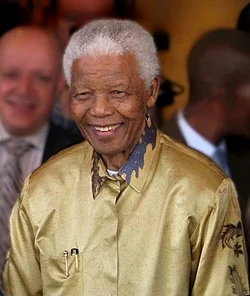
Between 1996 and 1998, he chaired the Truth and Reconciliation Commission (TRC), a court-like restorative justice body that helped South Africans come to terms with the atrocities committed during the apartheid era.
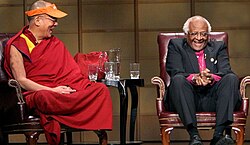
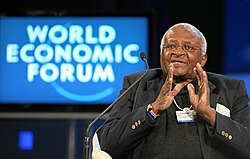
In his later years, Tutu remained an active advocate for various global causes, including climate justice and HIV/AIDS awareness. He frequently appeared at international forums, such as the World Economic Forum and COP17, and maintained friendships with other global peace leaders like the Dalai Lama.
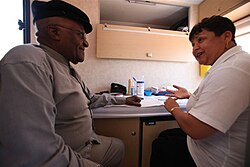
Even in retirement, he continued to use his influence for good, promoting the "Tutu Tester" mobile units to increase HIV testing accessibility.
Summary of Career and Legacy
| Period/Date | Role/Achievement | Location/Organization |
|---|---|---|
| 1960-1961 | Ordained Deacon and Priest | Anglican Church |
| 1975-1978 | Bishop of Lesotho | Lesotho |
| 1978-1985 | General-Secretary | South African Council of Churches |
| 1986-1994 | Archbishop of Cape Town | Cape Town, South Africa |
| 1996-1998 | Chairman | Truth and Reconciliation Commission |
Frequently Asked Questions
What was Desmond Tutu's role in the Truth and Reconciliation Commission?
Desmond Tutu served as the Chairman of the Truth and Reconciliation Commission from 1996 to 1998. He led the effort to uncover the truth about human rights violations during apartheid and promoted a path of forgiveness and national healing.
Which major international award did Desmond Tutu receive?
Desmond Tutu was awarded the Nobel Peace Prize for his non-violent struggle against apartheid.
What was his relationship with Nelson Mandela?
Tutu was a close ally of Nelson Mandela. He welcomed Mandela to Bishopscourt upon his release from prison and organized the religious components of Mandela's presidential inauguration.
What other social issues did Tutu support in his later life?
Beyond racial equality, Tutu advocated for climate justice, HIV/AIDS awareness and testing, and general human rights on a global scale.
How many books did Desmond Tutu write?
Tutu authored numerous works, including seven collections of sermons and several books on forgiveness and peace, such as "No Future Without Forgiveness" and "The Book of Forgiving".