Democratic Republic of the Congo
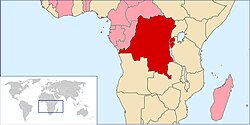
The Democratic Republic of the Congo (DRC) is a vast nation in Central Africa, characterized by its immense natural wealth, diverse biodiversity, and a complex political history. From the dense rainforests of the Congo Basin to the bustling streets of its capital, Kinshasa, the DRC stands as one of the most resource-rich yet challenged countries in the world.
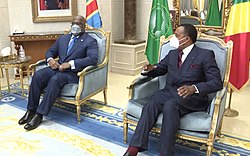
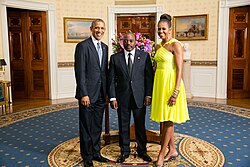
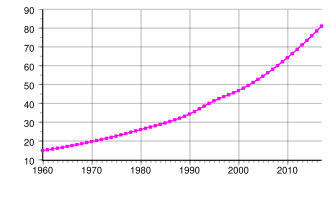
As a unitary semi-presidential republic, the nation is currently led by President Félix Tshisekedi and Prime Minister Judith Suminwa. With a population estimated at over 124 million people by 2025, it is a pivotal player in the geopolitical and environmental landscape of the African continent.
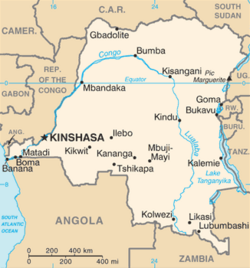
Key Facts
- Capital: Kinshasa (the largest city).
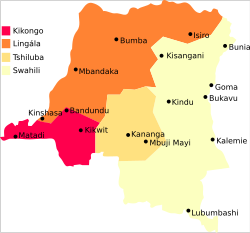
- Official Language: French, with national languages including Lingala, Swahili, Kikongo ya leta, and Luba-Kasai.
- Land Area: 2,345,409 km², making it the 11th largest country globally.
- Religion: Predominantly Christian (95.4%).
- Currency: Congolese franc (CDF).
- Economy: Heavily reliant on mining, particularly diamonds and cobalt.
Historical Evolution
Colonial Era and Independence
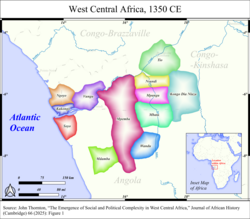
The modern state's origins are marked by the colonization efforts of King Leopold II of Belgium, starting in 1879. This led to the creation of the Congo Free State in 1885, which later became the Belgian Congo in 1908. The nation finally gained independence from Belgium on June 30, 1960.
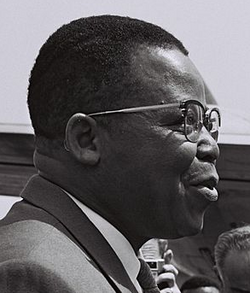
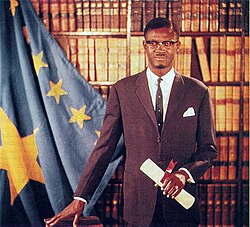
The early years of independence were fraught with political crisis. Patrice Lumumba, the first democratically elected prime minister, was murdered in 1961 by Belgian-supported Katangan separatists, signaling a period of instability.
The Era of Mobutu and Zaire
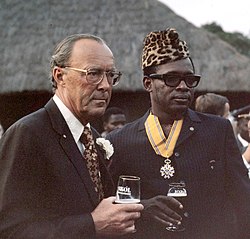
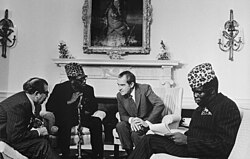
In 1965, Mobutu Sese Seko seized power, establishing an autocracy that lasted until 1997. Under his rule, the country was renamed the Republic of Zaire in 1971. Mobutu's regime was characterized by centralized power and strategic international alliances during the Cold War.
Conflict and Modern Governance
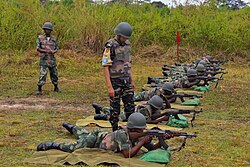
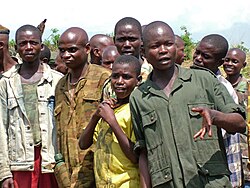
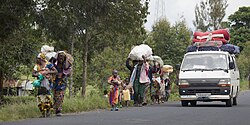
The late 20th and early 21st centuries were marked by devastating conflicts, including the First Congo War (1996–1997) and the Second Congo War, often referred to as "Africa's World War." These conflicts caused massive forced displacement and humanitarian crises.
![Belligerents of the Second Congo War, also known as Africa's World War.[78]](/images/60/dd/60dd203a006a4a032e77475ba1a9db1a6aa4ef4defbbe5fb864ada7349c8d471.png)
Following a new constitution in 2006, the country has sought stability. The 2018 election brought Félix Tshisekedi to the presidency, marking a significant transition in the nation's political trajectory.
Geography and Biodiversity
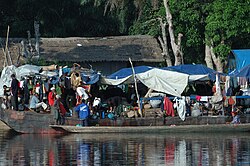
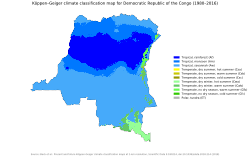
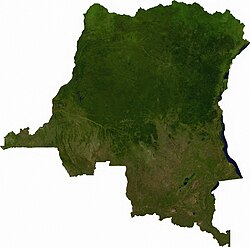
The DRC is home to the Congo Basin, the second-largest rainforest in the world. Its climate is primarily tropical, providing a habitat for some of the planet's most rare species.
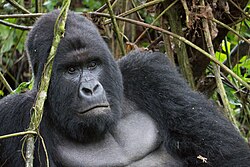
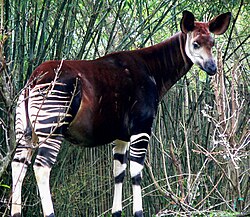
The nation is a critical sanctuary for biodiversity. The Virunga National Park is essential for the survival of the endangered mountain gorilla, while the okapi—a unique giraffid—is found exclusively in the Congolian rainforests.
Economy and Infrastructure
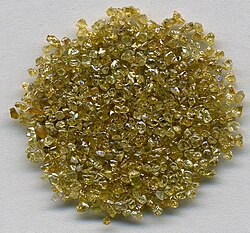
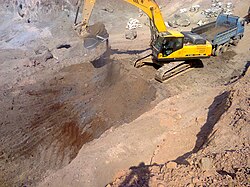
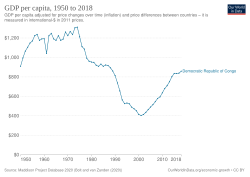
The DRC possesses an estimated $24 trillion in mineral wealth, yet it faces significant economic hurdles. The economy is dominated by the mining sector, with the country being a global leader in the production of cobalt and diamonds.
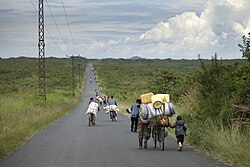
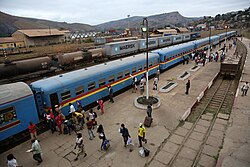
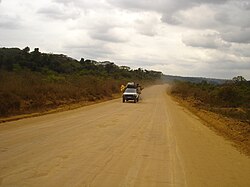
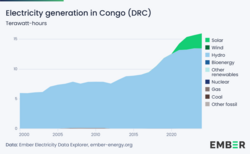
Infrastructure remains a challenge. Transportation relies on a mix of railways, such as the Matadi–Kinshasa line, and national roads, though many require significant modernization to support economic growth.
Economic Indicators Summary
| Indicator | Value | Global Rank |
|---|---|---|
| GDP (PPP) | $200.76 Billion | 79th |
| GDP (Nominal) | $79.12 Billion | 83rd |
| GDP Per Capita (Nominal) | $742 | 182nd |
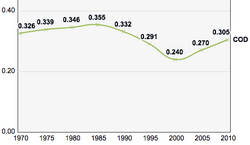
| Human Development Index (HDI) | 0.522 | 171st |
Demographics and Culture
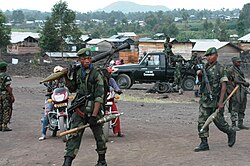
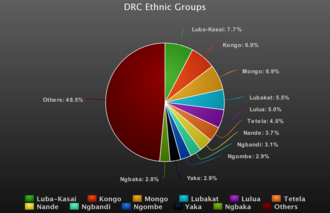
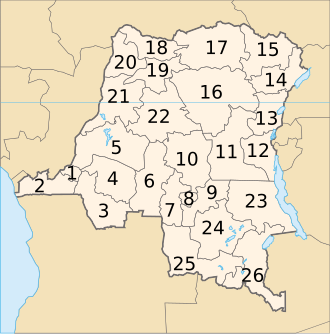
The DRC is a melting pot of ethnic groups, with the Luba-Kasaï, Kongo, and Mongo among the largest. While French is the official language for administration, four national Bantu languages facilitate communication across the diverse provinces.
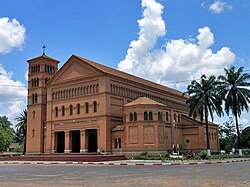
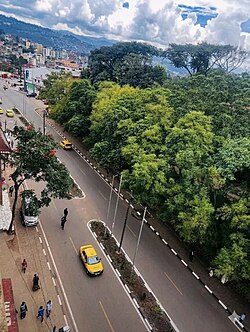
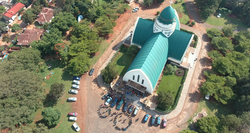
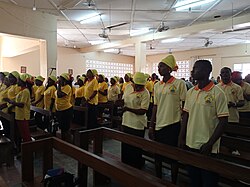
Religion plays a central role in daily life, with Christianity practiced by over 95% of the population. This is reflected in the grand cathedrals found in cities like Lubumbashi and Bukavu.
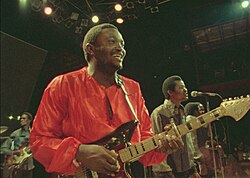
The nation's cultural output is world-renowned, particularly its music. Artists like Franco Luambo and his OK Jazz orchestra have defined the Congolese sound, blending traditional rhythms with modern influences.
Frequently Asked Questions
What are the official and national languages of the DRC?
French is the official language. The recognized national languages are Lingala, Swahili, Kikongo ya leta, and Luba-Kasai.
Why is the DRC economically significant?
The DRC is globally significant due to its massive mineral deposits, including cobalt, diamonds, and other precious metals, which are essential for modern technology.
Who was Mobutu Sese Seko?
Mobutu Sese Seko was the autocratic leader who ruled the DRC (then called Zaire) from 1965 to 1997.
What is the significance of the Congo Basin?
The Congo Basin is the second-largest rainforest in the world and is vital for global climate regulation and the preservation of endangered species like the mountain gorilla.
What is the current government structure of the DRC?
The DRC is a unitary semi-presidential republic with a President as head of state and a Prime Minister as head of government.