Czech Republic: A Journey Through Central Europe's Heart
Located in the center of Europe, the Czech Republic is a land of deep historical roots, architectural splendor, and modern industrial prowess. From the cobblestone streets of Prague to the rugged peaks of the Giant Mountains, the nation blends a rich medieval legacy with a high standard of living and a commitment to scientific innovation.
Key Facts
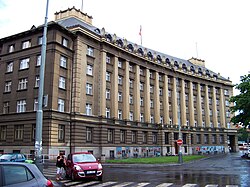
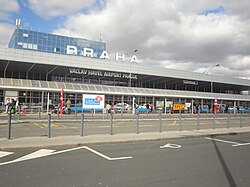
- Capital: Prague, the largest city and a historic imperial seat.
- Government: Unitary parliamentary republic.
- Currency: Czech koruna (CZK).
- Population: Approximately 10.9 million (2025 estimate).
- Economy: High-income economy with a strong focus on industry and technology.
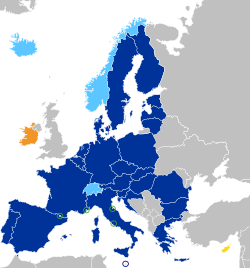
- EU Status: Member of the European Union and the Schengen Area.
Historical Evolution
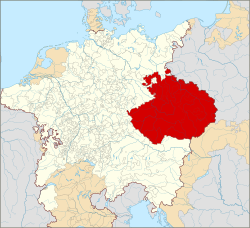
The history of the Czech lands is a narrative of shifting empires and resilient national identity. The Duchy of Bohemia emerged around 870, evolving into the Kingdom of Bohemia by 1198. For centuries, the Czech lands were integral to the Holy Roman Empire, with Prague serving as the imperial seat during the 14th and 16th centuries.
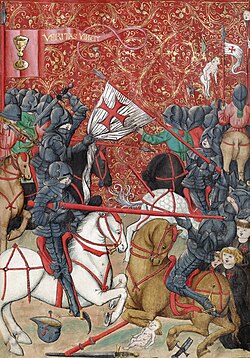
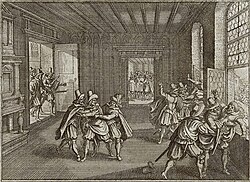
The region was later marked by religious and political upheaval, including the Hussite Wars—a series of conflicts between the Hussites and crusaders—and the 1618 Defenestration of Prague, which triggered the Bohemian Revolt and the Thirty Years' War.
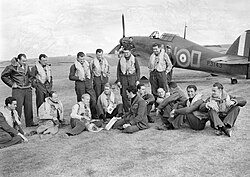
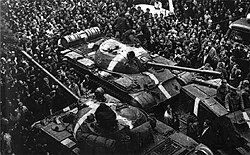
In 1918, the First Czechoslovak Republic was established, inheriting a massive industrial base, comprising nearly 80% of the former Austria-Hungary's industry. The 20th century brought further challenges, including the Battle of Britain where Czechoslovak pilots served in the RAF, and the 1968 Warsaw Pact invasion.
![The First Czechoslovak Republic comprised 27% of the population of the former Austria-Hungary and nearly 80% of the industry.[71]](/images/a3/36/a336992db0614a68692d1c5898db8592ba98e8599651ce4ced5f69fe25cfb47b.png)
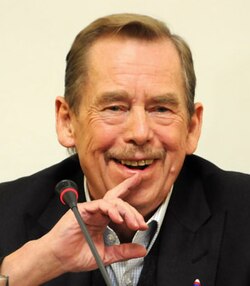
The transition to modern democracy was led by figures like Václav Havel, a key leader of the Velvet Revolution, who served as the last president of Czechoslovakia and the first president of the independent Czech Republic, established on January 1, 1993.
Geography and Climate
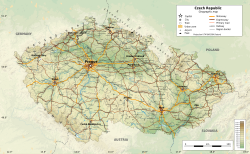
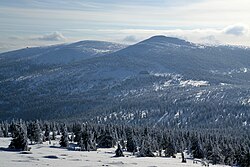
The Czech Republic is a landlocked nation characterized by diverse topography, ranging from lowlands to the mountainous borders of the Giant Mountains.
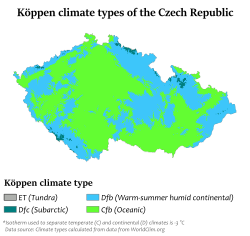
The climate is generally temperate, though it varies across the region. The Köppen climate classification identifies several types across the country, influenced by the -3 °C isotherm.
Government and Political Structure
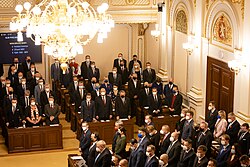
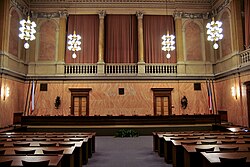
The nation operates as a unitary parliamentary republic. The executive branch is led by the President and the Prime Minister, while the legislative power resides in a bicameral Parliament consisting of the Senate (upper house) and the Chamber of Deputies (lower house).
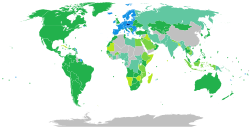
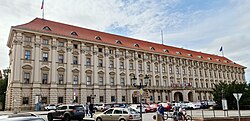
Internationally, the Czech Republic maintains strong diplomatic ties through the Ministry of Foreign Affairs and is a member of the European Single Market. While it is part of the Schengen Area, allowing for visa-free movement for many, it retains its own currency, the Czech koruna.
Economy, Industry, and Science
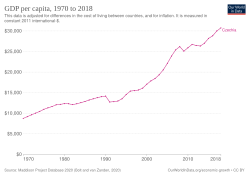
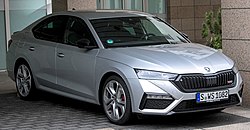
The Czech Republic is recognized for its high Human Development Index (HDI) and low income inequality. Its economy is heavily industrialized, with a strong presence in automotive manufacturing, exemplified by the Škoda brand.
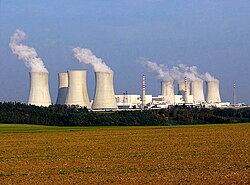
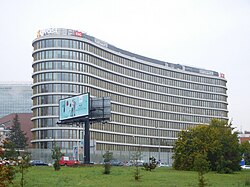
Energy production is diversified, with the Dukovany Nuclear Power Station playing a critical role in the national grid. The country is also a hub for IT and cybersecurity, hosting the headquarters of the antivirus group Avast.
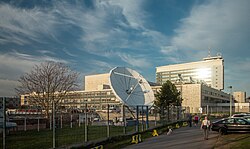
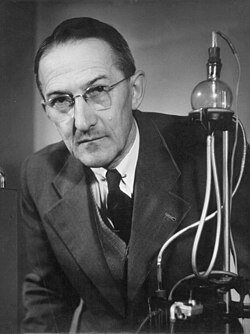
In the realm of science, the nation boasts the Eli Beamlines Science Center, which houses one of the world's most powerful lasers. This spirit of innovation is mirrored in its history, including Nobel Prize winner Jaroslav Heyrovský.
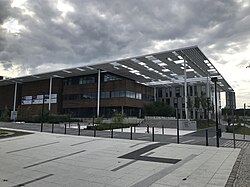
Culture and Society
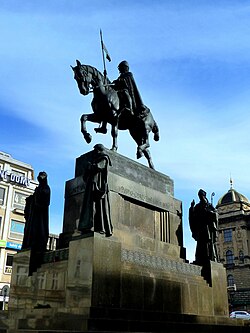
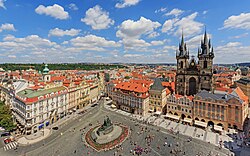
Czech culture is a blend of traditional folk customs and avant-garde artistic movements. Prague, the capital, is world-renowned for its historic center and Wenceslas Square, the city's most pedestrian-heavy area.
![Wenceslas Square experiences the most pedestrian traffic of all areas in Prague[197]](/images/80/5f/805f86c5ba9410b4aad824d10950d9174fd46a2768be8d45ae1fe152e8563158.jpg)
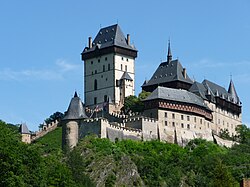
The nation's architectural heritage is vast, from the medieval Karlštejn castle to the unique Czech cubist style and later rondocubism. Education is highly valued, with Charles University standing as the oldest university in Central Europe.
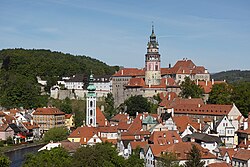
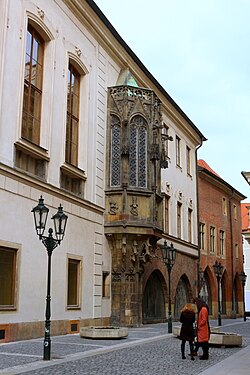
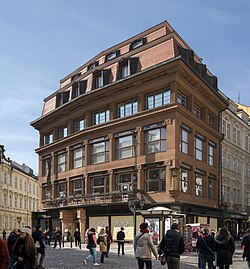
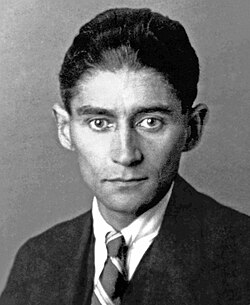
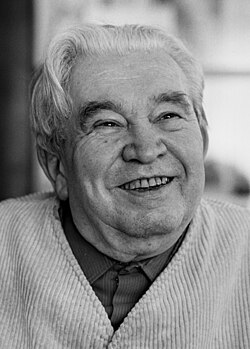
The Czech Republic has produced world-class intellectuals and artists, including writer Franz Kafka, Nobel laureate Jaroslav Seifert, composer Antonín Dvořák, and Oscar-winning director Miloš Forman.
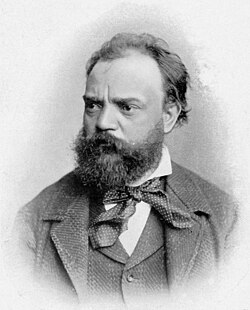
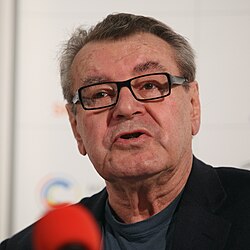
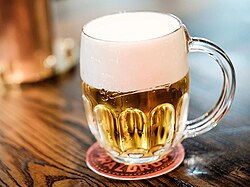
In terms of lifestyle, the country is famous for its beer culture, specifically the Pilsner type of pale lager brewed since 1842. Sports are also central to national identity, particularly ice hockey, where players like Jaromír Jágr have achieved legendary status in the NHL.
![Hockey player Jaromír Jágr has the second-most points in NHL history, after Wayne Gretzky.[275]](/images/60/20/6020d78da2db9e25bd1314283479060440f5cd1ea62df9ea2bac2d924c482f3d.jpg)
| Category | Detail |
|---|---|
| Official Language | Czech |
| Area | 78,871 km² |
| GDP per capita (Nominal 2026 est.) | $39,795 |
| HDI (2023) | 0.915 (Very High) |
| Main Ethnic Group | Czechs (89%) |
Frequently Asked Questions
What is the official currency of the Czech Republic?
The official currency is the Czech koruna (CZK), although the country is a member of the European Union.
When did the Czech Republic become an independent state?
The Czech Republic was established as an independent state on January 1, 1993, following the dissolution of Czechoslovakia.
What are the most spoken languages in the country?
Czech is the official language. However, several minority languages are officially recognized, including Polish, Slovak, and German.
Which city is the capital and largest in the Czech Republic?
Prague is the capital and largest city, serving as the political, cultural, and economic center of the nation.
What is the significance of the Velvet Revolution?
The Velvet Revolution was the non-violent transition of power that ended communist rule in Czechoslovakia, leading to the democratic era and the eventual peaceful split into the Czech Republic and Slovakia.