Central Europe: A Complex Tapestry of History, Culture, and Geography
Central Europe is a region defined not just by its physical borders, but by a profound sense of shared history and cultural diversity. Situated between Northern, Southern, Eastern, and Western Europe, it serves as a vital crossroads of the continent. While definitions of the region vary among historians, geographers, and political organizations, the area is characterized by a unique blend of traditions and a complex geopolitical legacy.
![A view of Central Europe dating from the time before World War I (1902):[50] Central European countries and regions: the German Empire and the Habsburg monarchy (without Bosnia and Herzegovina and Dalmatia) Regions located at the transition between Central Europe and Southeastern/Eastern Europe: Romania](/images/0e/e9/0ee96048d879cf26454d478f336a18e486fb19f6ab94da59aa0822c8346590d5.png)
Key Facts
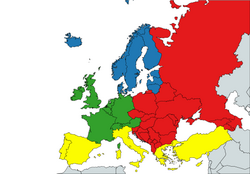
- Core Countries: Often includes Austria, Germany, Czech Republic, Hungary, Poland, Slovakia, Slovenia, Switzerland, Croatia, Liechtenstein, Lithuania, and sometimes others.
- Historical Influence: The Habsburg monarchy and the Holy Roman Empire played central roles in shaping the region's political landscape.
- Cultural Diversity: The region is known for its significant historical Jewish population and diverse religious affiliations, including Catholicism and Protestantism.
- Political Organizations: Home to groups such as the Visegrád Group and the Central European Free Trade Agreement (CEFTA).
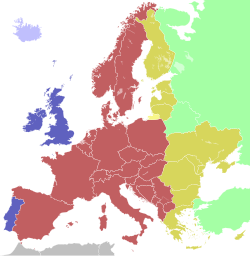
- Time Zone: Most of the region operates on Central European Time (CET), which is UTC+1.
Historical Evolution
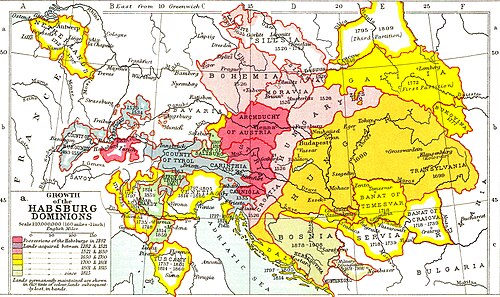
The history of Central Europe is a narrative of shifting empires and evolving borders. During the Early Modern period, the Polish–Lithuanian Commonwealth stood as a major power, while the Ottoman Empire expanded into parts of present-day Croatia, Hungary, and Slovakia.
The Holy Roman Empire encompassed various German principalities, the Kingdom of Bohemia, the Old Swiss Confederacy, and the Duchy of Carniola. By the 18th century, the Habsburg monarchy emerged as a dominant force, ruling over a vast territory including Austria, Hungary, the Czech Republic, Slovakia, Croatia, and Slovenia, as well as parts of Italy, Germany, and Switzerland.
The 20th Century and Beyond
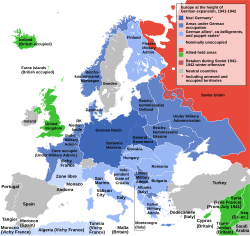
The 20th century brought radical changes, from the interwar period to the era of the Iron Curtain. The region's borders were redrawn following both World Wars, leading to various academic and political definitions of what constitutes "Central Europe." Some scholars use the term Mitteleuropa to describe a specific cultural and political concept of a central European core.
Defining the Region: Academic and Political Perspectives
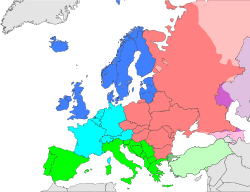
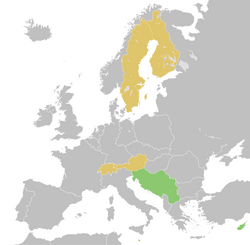
Because Central Europe is a cultural-spatial concept, there is no single, uncontestable definition. Different organizations use different criteria:
- Academic Definitions: Historians like Jerzy Kłoczowski and Czesław Miłosz have proposed various boundaries based on cultural and historical continuity.
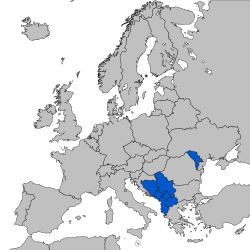
- Governmental and Economic Standards: The EU-funded Interreg program and the Central European Free Trade Agreement (CEFTA) use specific regional groupings for economic and administrative purposes.
- Geographical Overlaps: Some regions, such as Transylvania in Romania or Vojvodina in Serbia, are often considered part of Central Europe in a broader sense.
Geography and Infrastructure
The geography of Central Europe is diverse, featuring significant river systems that facilitate transport and trade. The Danube is one of the most critical watercourses, flowing through much of the region and connecting it to Southeastern Europe.
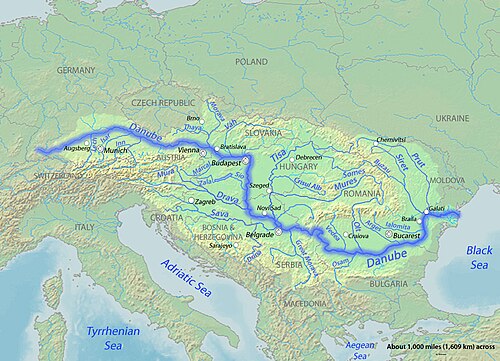
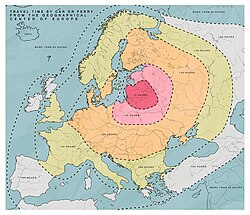
Infrastructure plays a vital role in the region's connectivity. The density of the rail network and the importance of river transport are key drivers of economic integration. Furthermore, the region's proximity to the geographical center of Europe makes it a hub for travel and logistics.
Socio-Economic Indicators
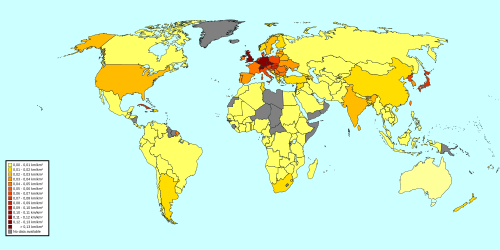
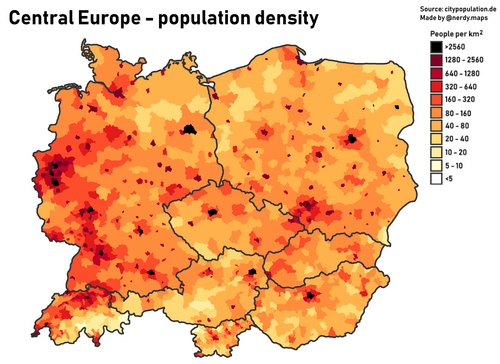
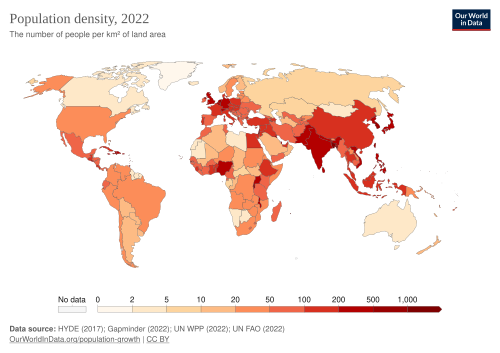
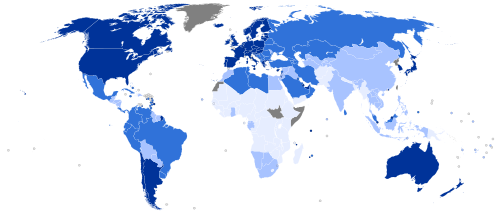
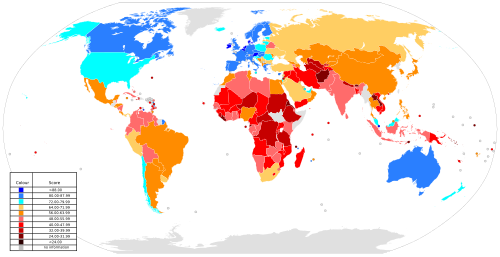
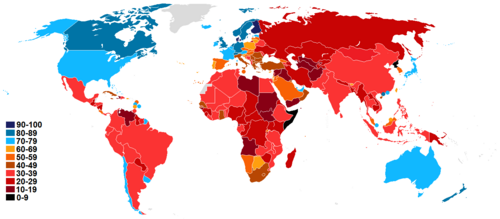
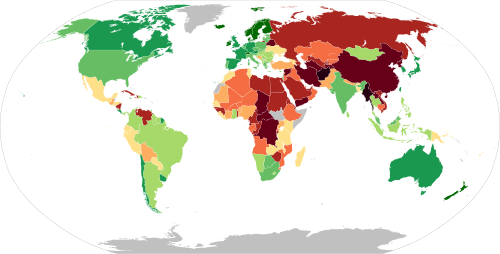
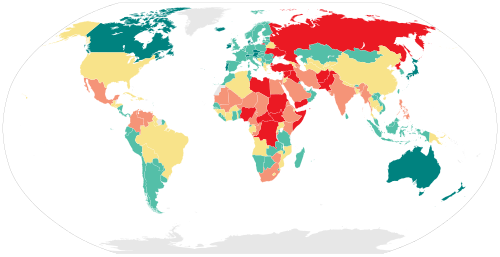
Modern Central Europe is characterized by varying levels of human development, globalization, and political structures. While many countries are highly integrated into the global economy, there are notable differences in population density and democratic indices across the region.
| Category | Key Elements/Observations |
|---|---|
| Primary Time Zone | Central European Time (CET) |
| Major Rivers | Danube system |
| Political Groups | Visegrád Group, CEFTA, Central European Initiative |
| Historical Powers | Habsburg Monarchy, Holy Roman Empire, Polish–Lithuanian Commonwealth |
| Key Languages | German, Polish, Czech, Hungarian, Slovak, etc. |
Education and Culture
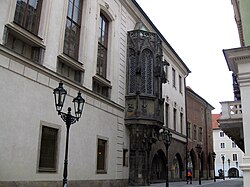
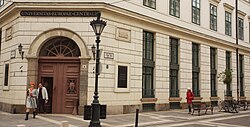
Central Europe boasts a rich intellectual tradition, home to prestigious institutions such as the Charles University in Prague and the Central European University in Budapest. These institutions have long been centers for research and academic excellence.
The region's cultural life is also expressed through its sports, including various rallies and football leagues that bring together nations from across the area.
Frequently Asked Questions
Which countries are considered part of Central Europe?
While there is no single official list, the region typically includes Austria, Germany, the Czech Republic, Hungary, Poland, Slovakia, Slovenia, Switzerland, Croatia, Liechtenstein, and Lithuania.
What is the role of the Habsburg monarchy in Central European history?
The Habsburg monarchy was a dominant political force that ruled over much of Central Europe, including Austria, Hungary, and parts of the Czech Republic and Slovakia, for several centuries.
What is the Central European Time zone?
Central European Time (CET) is a standard time zone that is one hour ahead of Coordinated Universal Time (UTC+1). It is used by many countries in the region, including Germany, France, and Poland.
How is Central Europe defined by political organizations?
Organizations like the Visegrád Group or the Central European Free Trade Agreement (CEFTA) define the region based on political cooperation and economic integration rather than strictly geographical boundaries.
Is Romania part of Central Europe?
Romania is often viewed as a transitional region located between Central Europe and Southeastern/Eastern Europe, with specific areas like Transylvania frequently associated with Central European history.