Crypsis: The Science of Animal and Plant Concealment
In the natural world, the ability to remain unseen is often the difference between survival and death. This biological phenomenon is known as crypsis—the ability of an animal or plant to avoid observation or detection by other animals. Whether used as a predation strategy to sneak up on prey or as an antipredator adaptation to hide from threats, crypsis is a sophisticated tool of survival.
Crypsis extends far beyond simple color matching. It encompasses a variety of methods, including nocturnality (being active at night), subterranean lifestyles (living underground), and complex mimicry. While we often think of concealment as a visual game, crypsis can also be olfactory, involving the masking of scents, or auditory, involving the manipulation of sound.
Key Facts
- Crypsis is a broad term for avoiding detection, encompassing visual, olfactory, and auditory methods.
- It drives an evolutionary arms race where predators evolve better detection and prey evolve better concealment.
- Countershading (Thayer's law) uses light bellies and dark backs to flatten the appearance of a 3D object.
- Some animals use chromatophores to change color rapidly, such as cephalopods and chameleons.
- Cognitive crypsis involves the intentional use of tools or symbols to deceive, seen in humans and some crocodilians.
The Evolutionary Arms Race
The development of crypsis is driven by intense evolutionary pressure. Prey animals must avoid being eaten, while predators must be able to spot their camouflaged targets. This creates a self-perpetuating cycle of coevolution. As the perceptive abilities of the predator improve, the cryptic characteristics of the prey must become more advanced to survive, leading to some of the most complex adaptations found in nature.
Methods of Visual Crypsis
Visual camouflage is the most recognized form of crypsis. It generally falls into several categories based on how it manipulates the observer's perception.
Coloration and Texture
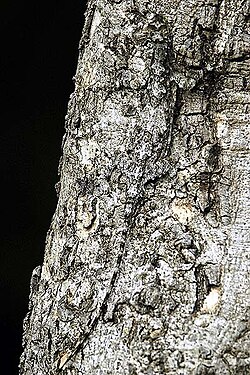
Many species use cryptic coloration to match the color and texture of their surroundings. Some go a step further with mimesis, where they resemble specific objects like twigs, leaves, sand, or even bird droppings. The tawny dragon lizard is a prime example of an animal that blends into rocky or sandy environments.
Breaking the Outline
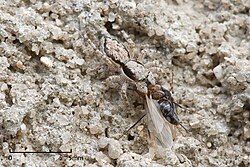
Disruptive coloration works by breaking up the visual outline of an animal, making it difficult for a predator to recognize the shape of its prey. This is highly effective for animals that move through varied environments.
Light and Shadow Manipulation
Countershading, also known as Thayer's law, is the use of graduating tones—typically a light underside and a darker back. This technique "paints out" shadows, making a solid object appear flat and less detectable. In the deep ocean, some marine animals use counter-illumination, producing their own light to match the brightness of the water above them.
Active and Seasonal Camouflage
Some animals adapt to their environment over time or in real-time. The ermine and snowshoe hare change colors seasonally to match snow. Others, like squid and chameleons, use specialized cells called chromatophores in their skin to change color almost instantly. Additionally, decorator crabs actively attach shells, stones, or stinging anemones to their carapaces to blend into their specific local habitat.
Beyond Sight: Olfactory and Auditory Crypsis
Detection is not limited to vision. Many predators rely on smell or sound, leading to the evolution of non-visual crypsis.
Olfactory (Scent) Concealment
Chemical crypsis allows animals to mask their odor. The pirate perch (Aphredoderus sayanus) uses this to remain undetectable to frogs and insects. Similarly, puff adders are difficult for scent-oriented predators like meerkats and trained dogs to detect, which is essential for their ambush hunting strategy. Some arthropods even mimic the scent of ants to avoid predation or trick ants into feeding them.
Auditory Concealment
Auditory crypsis involves manipulating sound to avoid detection, particularly by echolocating bats. While it was once thought that some moths created "phantom echoes" to mislead bats, research suggests different mechanisms. Some tiger moths use acoustic aposematism to warn bats that they are unpalatable, while others use sonar jamming to interfere with the bat's echolocation through echo interference.
Cognitive Crypsis and Tool Use
Cognitive crypsis is a higher-level form of deception involving the mental representation of a scenario to manipulate another's behavior. This is most evident in humans, such as the Chumash people wearing deer hides to impersonate prey, or early hominids using hunting blinds on the Kenyan Steppe roughly one million years ago. This capacity for intentional external camouflage using tools or symbols is shared only by humans and certain crocodilian species.
Crypsis Summary Table
| Type of Crypsis | Mechanism | Example Species |
|---|---|---|
| Visual (Cryptic) | Matching color/texture of background | Tawny dragon lizard |
| Visual (Disruptive) | Breaking up the body outline | Patterned spiders |
| Visual (Dynamic) | Rapid color change via chromatophores | Squid, Chameleons |
| Olfactory | Masking or mimicking scents | Pirate perch, Puff adder |
| Auditory | Sound absorption or sonar jamming | Tiger moths |
| Cognitive | Intentional use of tools/symbols | Humans, Crocodilians |
Frequently Asked Questions
What is the difference between crypsis and camouflage?
Crypsis is the broad biological ability to avoid detection, which can include being nocturnal or masking scents. Camouflage is a specific type of visual crypsis where an animal matches its surroundings to remain unseen.
How does countershading work?
Countershading, or Thayer's law, involves having a darker top and a lighter bottom. This offsets the natural shadows created by light hitting a 3D object, making the animal appear flat and harder to distinguish from the background.
Can animals change their camouflage instantly?
Yes, some animals like cephalopods (squid, octopus) and chameleons use specialized skin cells called chromatophores to change their color and pattern rapidly in response to their environment.
What is cognitive crypsis?
Cognitive crypsis is the intentional use of external tools or symbolic representations to deceive others. An example is humans using hunting blinds or wearing animal skins to ambush prey.
Do plants use crypsis?
Yes, plants can employ crypsis to avoid being eaten by herbivores. For example, some climbing plants have evolved leaf mimicry to blend into their surroundings.