Animal Coloration: The Science of Nature's Palette
Animal coloration is the visual appearance of an organism resulting from the reflection or emission of light from its surfaces. From the brilliant, iridescent plumes of a peacock to the muted tones of a stone-dwelling lizard, color serves as a critical tool for survival. While some species evolve to be nearly invisible, others use bold patterns to communicate, attract, or intimidate.
The evolution of these colors is rarely accidental. Whether used for protection, mating, or temperature control, the colors animals display are the result of complex biological mechanisms and millions of years of natural selection.
Key Facts
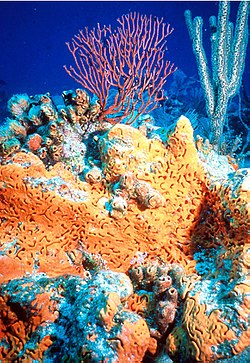
- Camouflage allows animals to hide from predators or prey.
- Aposematism is the use of warning colors to signal toxicity or danger.
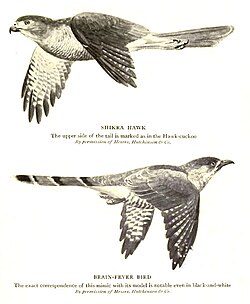
- Batesian mimicry occurs when a harmless species imitates the warning signals of a dangerous one.
- Chromatophores are specialized cells that allow some animals to change color dynamically.
- Structural coloration creates iridescent effects through microscopic physical structures rather than pigments.
- Bioluminescence is the biological production of light, common in deep-sea creatures.
The Evolutionary Purpose of Color
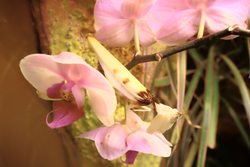
Animals have evolved diverse coloration strategies to solve specific environmental challenges. These can be broadly categorized into survival, communication, and physiological needs.
Survival and Defense
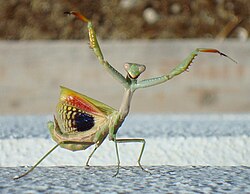
Camouflage, or crypsis, enables an animal to blend into its surroundings. This includes countershading—where an animal is darker on top and lighter on bottom—and disruptive contrast, which breaks up the animal's outline. Some animals use aggressive mimicry to lure prey, while others use startle displays (deimatic poses) to momentarily confuse a predator with sudden flashes of color.
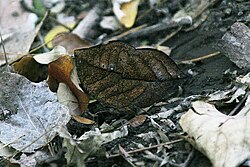
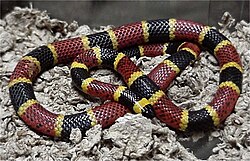
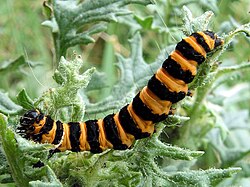
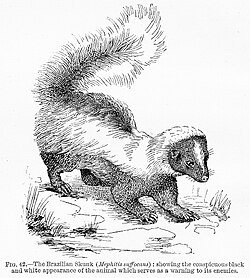
Another defense is motion dazzle, where bold patterns (like those of a zebra) make it difficult for a predator to track a moving target. In contrast, aposematism uses bright, conspicuous colors to warn predators that the animal is toxic, foul-smelling, or dangerous.
Communication and Social Signaling
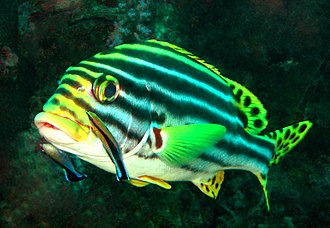
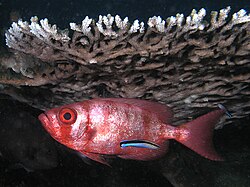
Color is often used to advertise services or status. For example, cleaner wrasse use specific patterns to signal their availability to provide cleaning services to larger fish, ensuring they are not eaten by their clients.
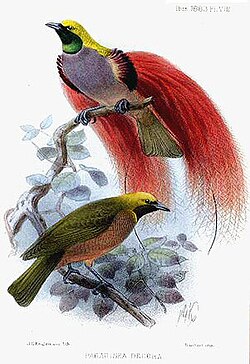
Sexual selection also plays a massive role. In many species, males possess brilliant colors to attract females, while females remain camouflaged to protect themselves and their offspring during nesting.
Physiological and Incidental Coloration
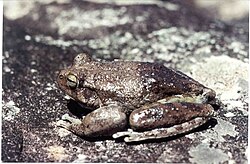
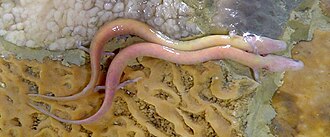
Not all color is for communication. Some pigments protect the skin from sunburn, and certain frogs change their skin tone for temperature regulation. Some colors are simply incidental; for instance, the red color of blood is due to the haem pigment required to transport oxygen.
Mechanisms of Color Production
Animals produce color through three primary biological methods: pigments, structural manipulation of light, and chemical light production.
Pigments and Chromatophores
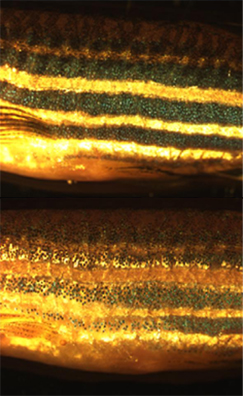
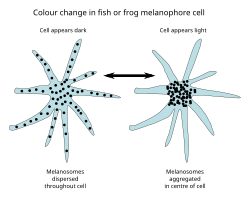
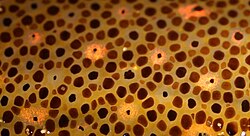
Direct coloration comes from pigments—particles of colored material. Indirect production occurs via chromatophores, which are pigment-containing cells. Through a process called metachrosis, animals can redistribute pigments within these cells under hormonal or neuronal control to change their appearance rapidly.
Structural Coloration
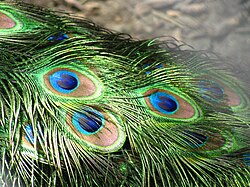
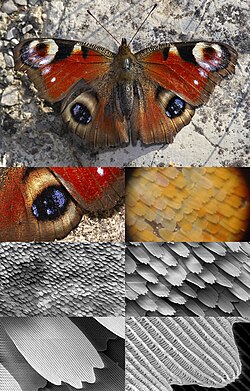
Unlike pigments, structural coloration is created by microscopic structures that interfere with light. This often results in iridescence, where the color changes depending on the angle of view. Examples include the chitin layers in butterfly wings and the specialized feathers of a peacock.
Bioluminescence
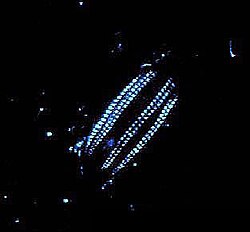
Some organisms, particularly in the deep ocean, produce their own light through chemical reactions. This bioluminescence is used for hunting, mating, or defense in environments where sunlight cannot reach.
Historical Perspectives on Coloration
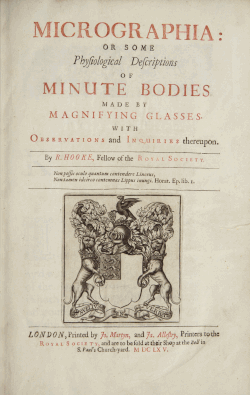
The study of animal color has evolved from early observations to rigorous biological theories. In 1665, Robert Hooke used early microscopy to describe the structural colors of peacock feathers in his work Micrographia.
Charles Darwin later proposed that coloration evolved through natural selection, providing reproductive advantages. This was expanded upon by Henry Walter Bates, who identified Batesian mimicry in Amazonian butterflies, and Edward Bagnall Poulton, who coined the term aposematism.
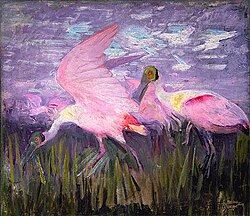
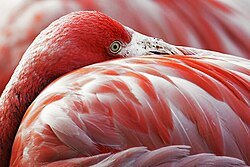
In the early 20th century, Abbott Handerson Thayer championed the idea of concealing coloration, though he was criticized for claiming that even the bright pink of roseate spoonbills was a form of camouflage against the dawn sky.
Summary of Coloration Types
| Strategy | Primary Function | Example |
|---|---|---|
| Camouflage | Hiding from view | Oak leaf butterfly |
| Aposematism | Warning predators | Coral snake |
| Batesian Mimicry | Deceiving predators | Hawk-cuckoo |
| Sexual Selection | Attracting mates | Peacock |
| Bioluminescence | Light emission | Comb jelly |
Frequently Asked Questions
What is the difference between pigment and structural color?
Pigments are chemical substances that absorb certain wavelengths of light and reflect others. Structural color is created by the physical shape of microscopic structures (like chitin in butterfly wings) that diffract or reflect light to create colors, often resulting in iridescence.
How does Batesian mimicry work?
Batesian mimicry occurs when a harmless or palatable species evolves to look like a dangerous or distasteful species. Predators that have had a bad experience with the dangerous "model" avoid the harmless "mimic" because they cannot tell the difference.
What are chromatophores?
Chromatophores are specialized cells containing pigment. By expanding, contracting, or redistributing the pigment within the cell, animals like squid and chameleons can change their skin color and pattern almost instantaneously.
Why are some animals iridescent?
Iridescence is a form of structural coloration. It happens when light hits microscopic surfaces—such as the scales of a butterfly or feathers of a bird—that act as diffraction gratings, splitting light into different colors depending on the angle of observation.
Can color be used for something other than survival or mating?
Yes. Some animals use color for physiological reasons, such as frogs that darken their skin to absorb more heat from the sun for temperature regulation, or the red color of blood which is an incidental result of the oxygen-carrying haem pigment.