Anti-Predator Adaptations: How Animals Survive the Struggle for Existence
In the natural world, the relationship between predator and prey is a constant evolutionary arms race. To survive, prey organisms have developed anti-predator adaptations—specialized biological and behavioral mechanisms designed to prevent them from becoming a meal. These adaptations occur at every stage of a predatory encounter, from the moment a predator begins searching for food to the final attempt at escape.
Survival strategies generally fall into four primary categories: avoiding detection, warding off an attack, fighting back, and escaping once discovered. By employing these diverse tactics, animals increase their chances of reaching reproductive age and passing their survival traits to the next generation.
Key Facts
- Detection Avoidance: Includes camouflage, masquerade, and nocturnality to stay invisible.
- Attack Deterrence: Uses aposematism (warning signals), mimicry, and social grouping to discourage predators.
- Active Defense: Involves chemical warfare, spines, and communal fighting.
- Escape Tactics: Includes rapid flight and autotomy (shedding body parts).
- Social Benefits: Group living reduces individual risk through the dilution effect and improved vigilance.
Avoiding Detection: The Art of Invisibility
The most effective defense is to never be seen in the first place. Animals use several sophisticated methods to remain undetected by their enemies.
Camouflage and Masquerade
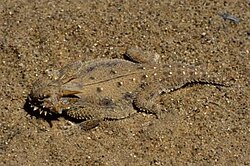
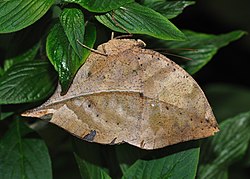
Camouflage allows an animal to blend into its environment, often by matching colors or breaking up its outline to eliminate shadows. Masquerade is a more specific form of deception where an animal evolves to look like an inedible object, such as a twig or a dead leaf.
Behavioral Avoidance
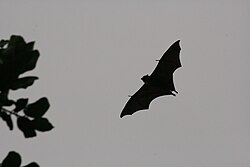
Some species avoid predators by altering when or where they are active. Nocturnality (being active at night) allows animals to forage while their primary predators are asleep or unable to see. Others live underground or utilize apostatic selection, where predators ignore rare phenotypes in favor of more common ones.
Warding Off Attack: Deterrence and Deception
When detection is inevitable, prey animals shift their strategy toward convincing the predator that the attack is either too dangerous or not worth the effort.
Aposematism and Mimicry
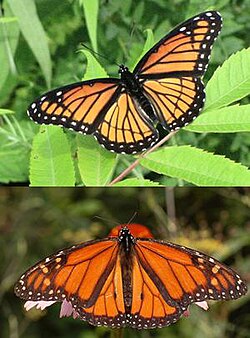
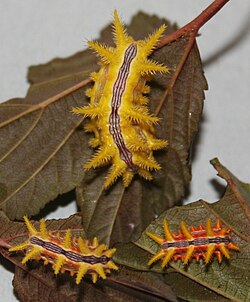
Aposematism is the use of warning coloration to advertise that an animal is toxic or dangerous. Mimicry occurs when a harmless species evolves to look like a dangerous one to trick predators into avoiding them. In Müllerian mimicry, two or more unpalatable species evolve similar appearances to reinforce the predator's avoidance learning.
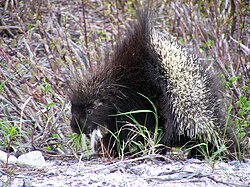
Startle Tactics and Pursuit Deterrence
Some animals use deimatic behavior—sudden displays intended to startle or frighten a predator. Others use pursuit-deterrent signals, such as stotting (jumping high in the air), to honestly signal to the predator that the prey is fit and healthy, making a chase unprofitable.
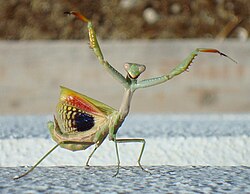
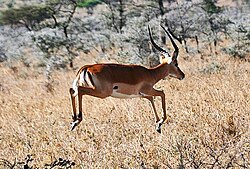
Playing Dead and Distraction
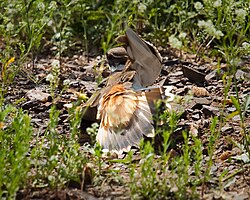
Certain species employ tonic immobility, a reflex that simulates death. For example, white-tailed deer fawns experience alarm bradycardia, where their heart rate drops precipitously (from 155 to 38 beats per minute), causing them to lie still and appear as a corpse to lose the predator's interest. Other animals use distraction, such as feigning an injury to lead a predator away from a nest.
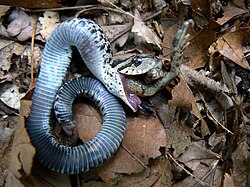
Safety in Numbers: Social Adaptations
Living in a group provides several evolutionary advantages that reduce the likelihood of any single individual being eaten.
The Dilution Effect and Selfish Herd
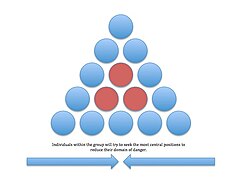
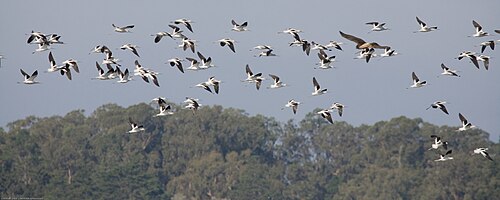
The dilution effect suggests that in a larger group, the statistical probability of a specific individual being targeted decreases. The selfish herd theory posits that individuals compete for central positions within a group to reduce their "domain of danger," leaving those on the edges more vulnerable.
Vigilance and Confusion
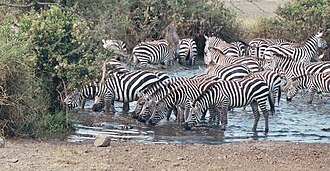
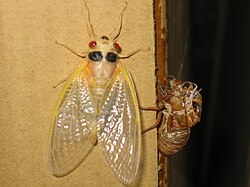
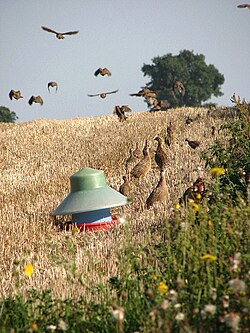
Groups benefit from improved vigilance, as more eyes can spot a predator sooner. Additionally, predator confusion occurs when a mass of moving animals makes it difficult for a predator to lock onto a single target. Some species also use predator satiation, where millions of individuals emerge simultaneously (like periodical cicadas) to overwhelm the predators' capacity to eat.
Communication and Defense
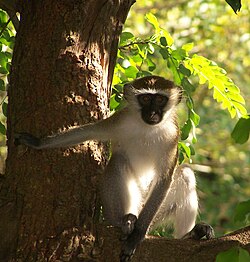
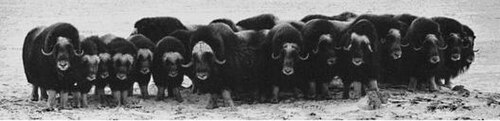
Social animals often develop complex alarm calls to warn others of specific threats. In some cases, they form communal defensive structures to protect the group.
Fighting Back and Escaping
When all other defenses fail, animals resort to active combat or desperate escape measures.
Chemical and Physical Defenses
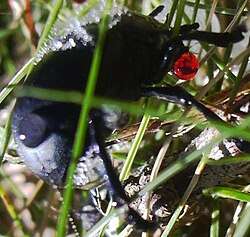
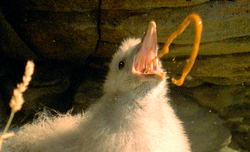
Prey may use chemical defenses, such as noxious liquids, stinging hairs, or stomach oil. Some employ defensive regurgitation, vomiting foul-tasting substances to repel attackers. Physical structures like spines and quills provide a mechanical barrier against predation.
![Anti-predator adaptation in action: the kitefin shark (a–c) and the Atlantic wreckfish (d–f) attempt to prey on hagfishes. First, the predators approach their potential prey. Predators bite or try to swallow the hagfishes, but the hagfishes have already projected jets of slime (arrows) into the predators' mouths. Choking, the predators release the hagfishes and gag in an attempt to remove slime from their mouths and gill chambers.[1]](/images/fc/fc/fcfc660999ddde1c0de6f02d25b8ebb1382d5e668649f65b67c9e6575041dda0.jpg)
Flight and Autotomy
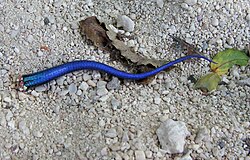
The most immediate response to a threat is flight—rapidly moving away from danger. If captured, some animals use autotomy, the voluntary shedding of a body part (like a lizard's tail). The detached limb often continues to writhe, distracting the predator while the animal escapes.
Summary of Anti-Predator Strategies
| Strategy Category | Primary Goal | Examples |
|---|---|---|
| Avoiding Detection | Prevent discovery | Camouflage, Nocturnality, Masquerade |
| Warding Off Attack | Discourage pursuit | Aposematism, Mimicry, Tonic Immobility |
| Social Defense | Reduce individual risk | Dilution Effect, Alarm Calls, Satiation |
| Active Defense | Repel or distract | Chemical secretions, Spines, Autotomy |
Frequently Asked Questions
What is the difference between camouflage and masquerade?
Camouflage is designed to make an animal blend into the background so it cannot be seen. Masquerade is when an animal is seen, but is mistaken for an inanimate or inedible object, such as a leaf or a stone.
How does the "selfish herd" concept work?
The selfish herd theory suggests that individuals in a group try to move toward the center to put other group members between themselves and the predator, thereby reducing their own risk of being the target.
What is alarm bradycardia?
Alarm bradycardia is a physiological response seen in some animals, like white-tailed deer fawns, where the heart rate drops sharply in response to a predator, leading to tonic immobility (playing dead).
What is autotomy?
Autotomy is the ability of an animal to cast off a non-vital appendage, such as a tail, to distract a predator and allow the animal to escape.
How does predator satiation protect a species?
Predator satiation occurs when a prey species emerges in such massive numbers that the local predators cannot possibly eat them all, ensuring that a significant percentage of the population survives.