Camouflage: The Science and Art of Concealment in Nature and Warfare
Camouflage is the strategic use of materials, coloration, or illumination to achieve concealment. Whether employed by a predator stalking its prey or a soldier in a combat zone, the goal is the same: to make an object or organism difficult to detect or to disguise it as something entirely different. From the spotted coat of a leopard to the complex patterns of modern battledress, camouflage is a sophisticated intersection of biology, physics, and art.
Most camouflage techniques aim for crypsis—the ability of an organism to avoid observation. This is often achieved through background matching, the elimination of shadows, or the use of high-contrast patterns that break up the subject's outline. In environments where no solid background exists, such as the open ocean, organisms rely on transparency, silvering, and light production to remain unseen.
Key Facts
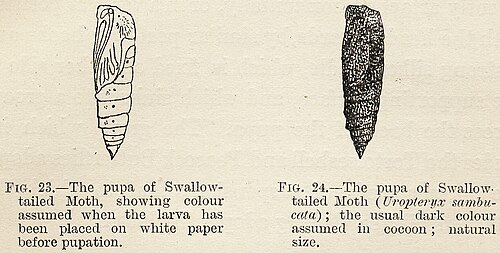
- Crypsis is the primary goal of most camouflage, focusing on making an object blend into its surroundings.
- Disruptive coloration uses high-contrast patterns to break up the recognizable shape of an animal or object.
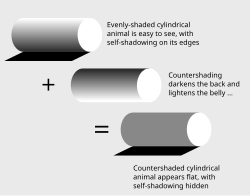
- Countershading involves a gradient of color (usually dark on top and light on bottom) to cancel out the effects of self-shadowing.
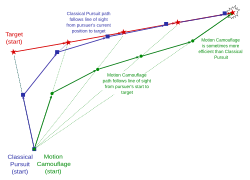
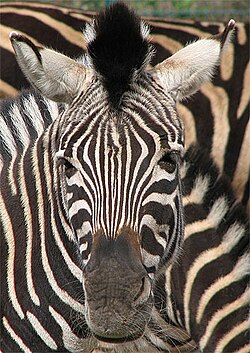
- Motion dazzle does not hide the subject but uses conspicuous patterns to confuse an observer regarding the subject's speed and direction.
- Mimesis is a form of camouflage where an organism mimics a specific object, such as a leaf or a twig.
Biological Mechanisms of Camouflage
Background Matching and Disruptive Coloration
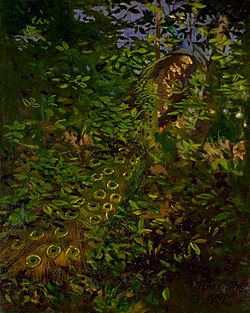
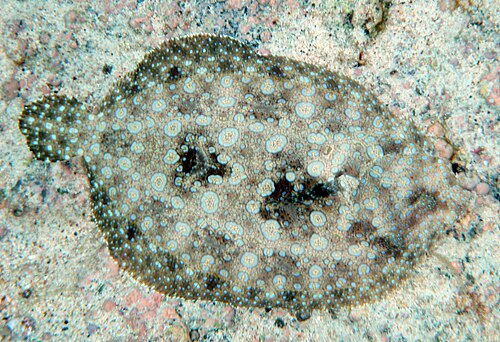
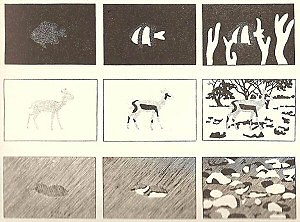
The most common form of camouflage is matching the colors and patterns of the immediate environment. However, simple matching is often insufficient. Many animals use disruptive coloration, which employs bold patterns to break up the body's outline, making it harder for a predator to recognize the shape of the prey.
Countershading and Shadow Elimination
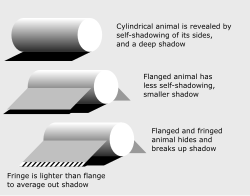
Light typically hits an object from above, creating a shadow on the underside that reveals its three-dimensional volume. Countershading solves this by having a lighter underside and a darker top, which "paints out" the shadow and creates a flat appearance, making the object blend more effectively into the background.
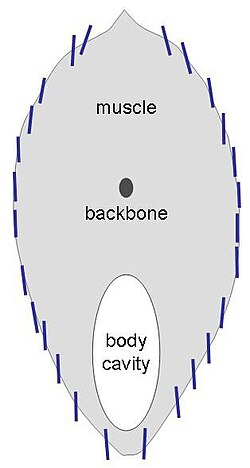
Beyond coloration, some animals use physical structures to eliminate shadows. A flange or pale fringe can help hide the shadow cast by a body, preventing the silhouette from giving away the animal's position.
Mimesis and Cryptic Behavior
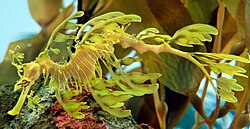
Mimesis occurs when an animal evolves to look like a specific inanimate object. For example, some caterpillars mimic twigs, while certain grasshoppers resemble dry leaves. This is often reinforced by cryptic behavior, such as the leafy sea dragon swaying in rhythm with seaweeds to further deceive observers.
Specialized Marine Camouflage
In the open sea, traditional background matching is impossible. Marine life utilizes several unique strategies:
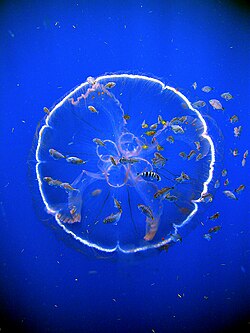
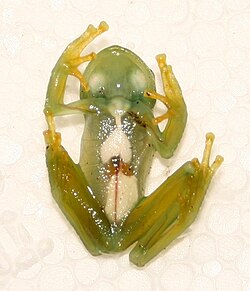
- Transparency: Jellyfish and glass frogs use partial or full transparency to vanish in dim light.
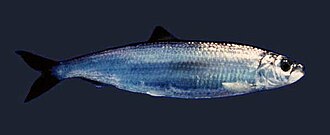
- Silvering: Fish like the herring use reflective scales to mirror the surrounding water.
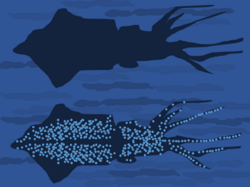
- Counter-illumination: Cephalopods, such as squid, produce light on their undersides to match the sunlight filtering down from the surface, erasing their silhouette from predators below.
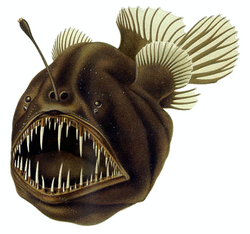
- Ultra-blackness: Deep-sea fishes, such as the blackdevil anglerfish, possess a black dermis to blend into the absolute darkness of the deep ocean.
Active Camouflage and Self-Decoration
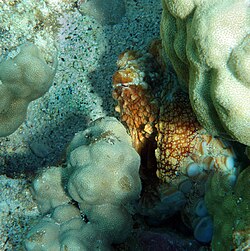
Some animals can change their appearance in real-time. Octopuses and chameleons can actively alter their skin patterns and colors for both concealment and signaling. Other species engage in self-decoration, such as the masked hunter bug nymph, which covers itself in sand grains.
The Evolution of Military Camouflage
19th Century Origins
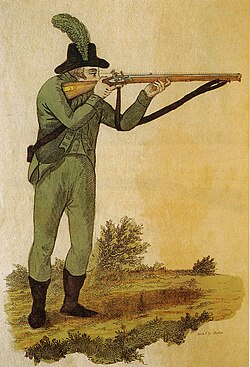
The shift toward military concealment was driven by the technological advancement of firearms. The transition from inaccurate muskets to high-precision rifles in the 19th century made personal concealment a vital survival skill. Early examples include the 95th Rifles, who wore green uniforms instead of traditional bright colors to blend into the landscape.
World War I and the Rise of Dazzle
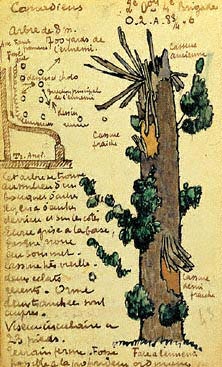
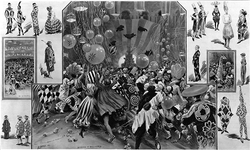
During World War I, camouflage became a formalized discipline. On land, artists like André Mare designed observation posts disguised as trees. At sea, a different strategy emerged: dazzle patterns. Rather than hiding ships, these high-contrast, geometric designs were intended to confuse enemy submarines about a ship's heading, speed, and range.
World War II and Modern Applications
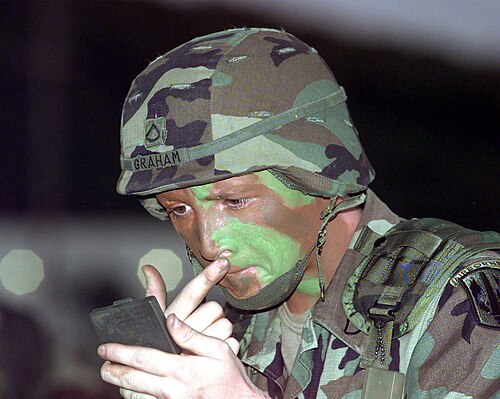
World War II saw the proliferation of specialized schemes for aircraft and ground vehicles across various theaters. This included "azure" paint for aircraft undersides to blend with the sky and complex woodland patterns for infantry. In the post-war era, digital and multi-environment patterns (such as the US "Chocolate Chip" desert pattern) were developed. However, the advent of radar has rendered traditional visual camouflage largely obsolete for fixed-wing military aircraft.
Non-Military and Cultural Uses
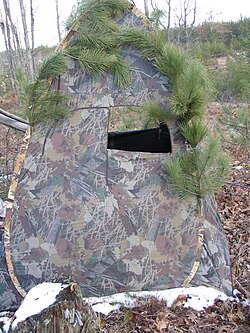
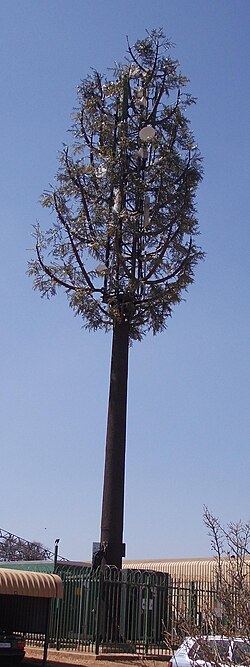
Camouflage extends beyond the battlefield. In civil engineering, cellphone towers are often disguised as trees to reduce visual pollution. In field sports, hunters use "hides" or Ghillie suits to approach game animals undetected. Furthermore, camouflage patterns have transitioned into fashion and modern art, where they are used for their strong aesthetic designs and cultural symbolism.
| Type | Mechanism | Example |
|---|---|---|
| Crypsis | Blending with background | Lion in tall grass |
| Disruptive Coloration | Breaking up outlines | Leopard spots / T-90 Tank |
| Countershading | Light belly, dark back | Grey reef shark |
| Mimesis | Mimicking an object | Leaf-mimic katydid |
| Motion Dazzle | Confusing movement | Zebra stripes / WWI Ships |
| Counter-illumination | Producing light | Firefly squid |
Frequently Asked Questions
What is the difference between camouflage and mimesis?
While camouflage is a general term for any method of concealment, mimesis is a specific type of camouflage where an organism mimics a particular object, such as a twig, a leaf, or a flower, rather than just blending into a general background.
How does motion dazzle work if it doesn't hide the object?
Motion dazzle uses bold, contrasting patterns to create a visual distortion. This makes it difficult for an observer to judge the object's exact speed, distance, and direction of travel, which is critical for aiming weapons or predicting movement.
Why is countershading effective in nature?
Countershading cancels out the natural shadow created when light hits an object from above. By having a lighter underside, the animal appears "flat" rather than three-dimensional, making it much harder to detect against a variety of backgrounds.
Why is visual camouflage less effective for modern aircraft?
The development of radar allows military forces to detect aircraft based on radio wave reflections rather than visual sight. Because radar penetrates most visual camouflage paints, the focus has shifted toward stealth technology that reduces radar cross-sections.
Can plants use camouflage?
Yes, it is possible that some plants utilize camouflage techniques, such as leaf mottling, to avoid being detected and eaten by herbivores.