Crepuscular Animals: Life in the Twilight Hours
In the natural world, timing is everything. While we often categorize animals as either diurnal (active during the day) or nocturnal (active at night), there is a fascinating middle ground. Many species thrive in the dim light of dawn and dusk. These are known as crepuscular animals.
Derived from the Latin word crepusculum, meaning "twilight," crepuscular behavior describes organisms that are primarily active during the transitional periods of the day. This strategy allows animals to navigate a world of shifting light, providing unique advantages for both hunters and the hunted.
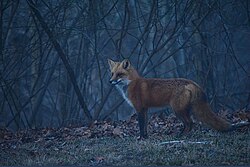
Key Facts
- Crepuscular animals are most active during twilight (dawn and dusk).
- Matutinal refers to activity specifically around dawn, while vespertine refers to activity around dusk.
- The behavior is often an anti-predator adaptation to avoid animals that hunt in full sun or total darkness.
- Environmental factors like temperature, lunar cycles, and human presence can shift these activity patterns.
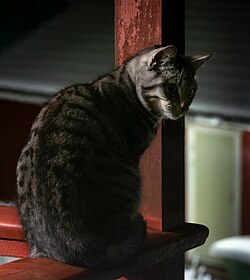
- Common examples include housecats, rabbits, deer, and various species of owls and insects.
Types of Crepuscular Behavior
Not all crepuscular animals follow the same schedule. Depending on their specific needs, they may exhibit different patterns of activity:
- Matutinal (or Matinal): Animals that are active exclusively during the dawn hours.
- Vespertine (or Vespertinal): Animals that are active exclusively during the dusk hours.
- Bimodal Activity: Animals that are active during both dawn and dusk.
It is important to note that these distinctions are not absolute. A crepuscular animal might remain active during an overcast day or a bright, moonlit night, as these conditions mimic the lower-light levels of twilight.
Why Be Crepuscular? Adaptive Advantages
The evolution of crepuscular behavior is driven largely by survival. By operating in the "in-between" hours, animals can avoid the peak activity times of their primary predators or competitors.
Predation and Competition
Many predators are specialized for either high-noon visibility or pitch-black darkness. Crepuscular animals find a safety window in the twilight. However, this creates an ecological balance; as prey move to twilight hours, some predators adapt their habits to target them. For example, the short-eared owl subspecies in the Galápagos Islands is typically diurnal, but on Santa Cruz island, it has become crepuscular to avoid competition with the Galapagos hawk.
Environmental Stress
In hot climates, being active at midday can lead to dangerous heat stress. Twilight provides a cooler alternative while still offering enough light for navigation and foraging. Similarly, some insects, such as the walnut twig beetle, prefer crepuscular flight because it coincides with moderate wind speeds, warmer temperatures, and low barometric pressure.
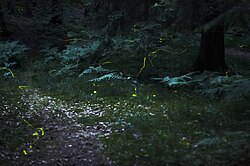
Factors Influencing Activity Patterns
Crepuscular habits are not static; they can shift based on internal and external triggers.
The Lunar Cycle
Because the moon changes the amount of light available at night, the lunar cycle can influence sleep, reproduction, and foraging. Some crepuscular animals become less active during periods of very low light.
Migration Shifts
Environmental changes during migration can alter an animal's clock. Mule deer, typically crepuscular, shift their activity to dusk before and during migration. In the spring, they move primarily at dawn because the snow is harder, making it easier to travel without sinking.
Human Impact
Since humans are diurnal, our presence can stress crepuscular wildlife. Some animals, like Asian black bears, may avoid high-traffic human areas during the day and only visit them during twilight or night. Additionally, light pollution can confuse these animals by mimicking moonlight, altering their natural behaviors.
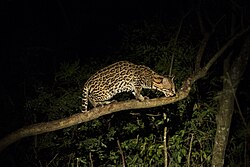
Common Crepuscular Species
A wide variety of taxa exhibit crepuscular behavior, from mammals and birds to reptiles and insects.
| Class | Example Species |
|---|---|
| Mammals | Housecats, rabbits, red pandas, foxes, deer, jaguars, ocelots, and hamsters |
| Birds | Barn owls, common nighthawks, European nightjars, and American woodcocks |
| Reptiles/Amphibians | Certain desert snakes, lizards, and frogs |
| Insects | Many moths, flies, and beetles (e.g., Coprophanaeus ensifer) |
Frequently Asked Questions
What is the difference between nocturnal and crepuscular?
Nocturnal animals are primarily active during the night, whereas crepuscular animals are most active during the twilight periods of dawn and dusk.
Can an animal be both matutinal and vespertine?
Yes. Animals that are active during both the dawn (matutinal) and dusk (vespertine) periods are said to have a bimodal activity pattern.
How does light pollution affect crepuscular animals?
Light pollution mimics natural light conditions, such as a bright moon, which can lead crepuscular animals to alter their foraging and reproductive behaviors.
Why do some animals change their activity during migration?
They adapt to environmental conditions. For instance, mule deer shift to dawn activity in the spring to take advantage of harder snow, which makes movement easier.
Do all crepuscular animals avoid the day and night entirely?
No. The distinction is not absolute; many crepuscular animals may still be active during overcast days or bright moonlit nights.