Commuter Towns: Causes, Effects, and the Rise of Exurbs
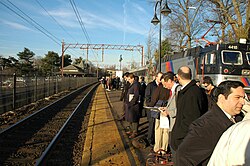
A commuter town is a populated area that serves primarily as a residential hub rather than a center for commerce or industry. The defining characteristic of these areas is the routine travel—known as commuting—that residents undertake to reach their workplaces in a different city or town and return home daily.
Depending on the region, these areas are known by various names. In Canada and the northeastern United States, they are often called "bedroom communities," while the US also uses terms like "bedroom town" or "bedroom suburb." In the United Kingdom, the term "dormitory town" is more common.
Key Facts
- Primary Function: Residential areas where the majority of the workforce is employed outside the town.
- Drivers: High urban housing costs, intentional residential zoning, and economic shifts.
- Exurbs: Low-density areas located beyond the traditional suburbs.
- Impacts: Can lead to local gentrification, increased property taxes, and decreased personal wellbeing due to travel stress.
- Global Models: Vary from car-dependent North American models to rail-integrated Japanese developments.
Why Commuter Towns Form
Several economic and social factors contribute to the creation of commuter towns. One of the most common drivers is the cost of living. When housing prices in metropolitan centers become unaffordable, workers seek residency in outlying areas where their money goes further.
Economic Pressures and Housing Bubbles
In the late 20th century, the dot-com bubble and the US housing bubble pushed prices in Californian metropolitan areas to historic highs. This forced workers in San Francisco to move to nearby cities such as San Mateo, Burlingame, and Oakland. In some cases, the distance grew even further; by 2003, over 80% of the workforce in Tracy, California, was employed in the San Francisco Bay Area.
Intentional Planning and Economic Shifts
Some municipalities are designed as commuter towns from the start. For example, Atherton, California, intentionally limits commercial development to attract families seeking long-term communities and to avoid the perceived issues associated with commercial growth.
Other towns evolve into commuter hubs due to changing economic conditions. Steubenville, Ohio, and Weirton, West Virginia, once had independent identities until the steel industry collapsed in the 1980s. Improved infrastructure, such as the Parkway West and Steubenville Pike, made Pittsburgh more accessible, eventually leading to Jefferson County, Ohio, being included in the Pittsburgh Combined Statistical Area in 2013.
The Japanese Rail Model
Unlike the car-centric model in North America, Japan's commuter towns are often the result of strategic corporate planning. Following the privatization of the national railway network in the 1980s, private railroads acquired not just tracks and trains, but also the surrounding real estate. These companies develop residential and commercial areas alongside their routes and synchronize train schedules to optimize the commute.
The Effects of Commuter Development
The growth of bedroom communities has significant impacts on both the local economy and the people who live there.
Economic and Social Impacts
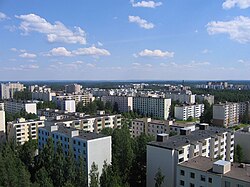
When wealthy commuters move into towns with weaker housing markets, it can trigger a process similar to gentrification. While this may attract upscale service businesses, it often raises property values to a point where long-time residents are displaced. This trend is sometimes exacerbated by urban zoning laws that restrict the construction of affordable housing near employment centers.
In the US, a lack of business taxes in purely residential towns can lead to higher property or income taxes for residents to fund the public budget. This often prompts municipalities to eventually seek commercial growth once their residential base is established.
Infrastructure and Wellbeing
In the UK, railway companies historically created demand for their lines by developing "Metro-land" in the 1920s, encouraging Londoners to move to suburbs like Harrow or villages in Hertfordshire and Buckinghamshire. In many modern cases, however, commuter towns are built before adequate transportation exists, forcing the later construction of highways and light rail, which can merge the town into a larger conurbation (a region comprising several cities and large towns).
The human cost of this lifestyle is also notable. A 2014 study by the British Office for National Statistics found that commuters are more likely to feel anxious, dissatisfied, and feel that their daily activities lack meaning compared to those who do not commute, regardless of their salary.
![Cidade Tiradentes is a heavily populated area in the outskirts of São Paulo consisting mainly of public housing projects. On average, its inhabitants spend 2 hours and 45 minutes a day commuting between home and work.[1]](/images/2b/f7/2bf7eb25019a77e950a2920e0bcdbc4df6d05f3ab7c2807abb45869e72913c25.jpg)
Understanding the Exurb
The term exurb (a blend of "extra" and "urban") was coined by Auguste Comte Spectorsky in 1955 to describe prosperous communities beyond the suburbs. Since 2006, following a report by the Brookings Institution, the term has specifically referred to areas beyond the suburbs that are less densely built.
Exurbs are characterized by large lots and large homes, which creates a heavy dependency on motor vehicles. This cycle often begins with small subdivisions on the edge of the wilderness, which then grow rapidly, attracting stores and jobs until land runs out and prices skyrocket, pushing the cycle further out.
However, some regions use strict land-use laws to manage this growth. In Oregon, urban growth boundaries have been used to encourage density in centralized towns, which helps protect timber land, natural areas, and local agriculture from suburban sprawl.
| Type | Location | Density | Primary Driver |
|---|---|---|---|
| Suburb | Adjacent to city | Medium to High | Urban expansion/Housing demand |
| Commuter Town | Peripheral to city | Variable | Cost of living/Intentional zoning |
| Exurb | Beyond suburbs | Low | Desire for space/Low density |
Frequently Asked Questions
What is the difference between a suburb and an exurb?
While suburbs are typically adjacent to a city, exurbs are located further out, beyond the suburbs. Exurbs are generally characterized by lower population density, larger home lots, and a higher dependency on cars.
Why do people choose to live in commuter towns?
The primary reasons include a lower cost of living compared to city centers, a desire for larger homes, and the attraction of family-oriented communities with fewer commercial disturbances.
How does commuting affect mental health?
According to a 2014 study by the British Office for National Statistics, commuters often report higher levels of anxiety and dissatisfaction, and a feeling that their daily activities lack meaning, compared to non-commuters.
How does the Japanese model of commuter towns differ from the US model?
The US model is largely driven by car transportation and housing market pressures. In contrast, the Japanese model is often driven by private railway companies that develop residential real estate and synchronize train schedules to create integrated transit-oriented communities.
Can commuter towns negatively impact original residents?
Yes. The influx of wealthier commuters can drive up local housing prices, leading to a form of gentrification that may displace long-time residents who can no longer afford the increased cost of living.