Gentrification: Causes, Effects, and Urban Transformation
Gentrification is the process by which the character of a neighborhood changes as more affluent residents—historically referred to as the "gentry"—move in, bringing increased investment with them. While it often leads to the physical revitalization of a district, it remains one of the most controversial topics in urban politics and planning due to its complex social and economic impacts.
At its core, gentrification typically increases the economic value of a neighborhood. However, this growth often comes at a cost: the changing of a neighborhood's demographic composition and the potential displacement of long-term, incumbent residents. This phenomenon is most prevalent in metropolitan areas facing an undersupply of housing and rapidly rising property values.
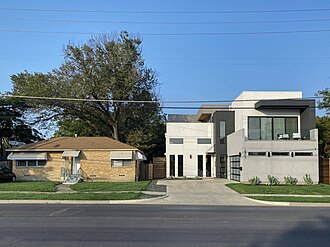
Key Facts
- Economic Impact: Increases property values and attracts commercial investment and infrastructure development.
- Social Cost: Often leads to the displacement of lower-income residents and changes in neighborhood demographics.
- Primary Drivers: Driven by an influx of higher-income residents and a lack of available housing in urban centers.
- Common Outcomes: Typically results in lower crime rates and increased business attraction in the affected area.
How Gentrification Happens
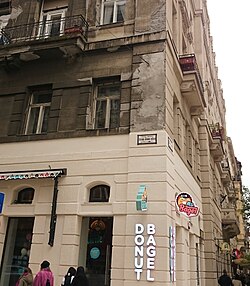
The process usually begins when an area becomes attractive to people with higher incomes than the current local residents. This "spillover" effect often originates from neighboring cities, towns, or more expensive districts. As these new residents arrive, the area sees a surge in commercial investment from real estate developers, local governments, or community activists.
The Stages of Gentrification
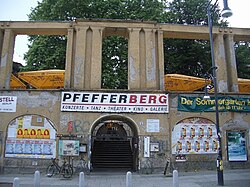
- Early Stage: Initial attraction of "pioneer" residents, often artists or young professionals, who find the area affordable.
- Transitional Stage: Increased investment in infrastructure and a visible shift in the types of businesses and services available.
- Late Stage: Full-scale redevelopment where property values peak, and the original character of the neighborhood is largely replaced by high-income housing and corporate retail.
Causes and Drivers
Researchers have identified several explanations for why gentrification occurs. One primary driver is sociocultural: a shift in preference among middle- and upper-middle-class families who have developed more pro-urban views and choose to live in city centers rather than suburbs.
Other factors include the "rent gap"—the difference between current ground rent and the potential rent after redevelopment—and strategic urban planning by local governments to increase the tax base.
The Effects of Urban Shift
Gentrification creates a ripple effect across various sectors of urban life:
- Crime: Generally, gentrifying areas see a decrease in crime rates as investment increases.
- Displacement: The most contentious effect, where rising rents and property taxes force original residents to leave.
- Economic Shifts: Local "mom-and-pop" shops are often replaced by higher-end businesses catering to the new demographic.
- Education and Health: Changes in neighborhood wealth can impact local public school enrollment and the health outcomes of low-income children.
Global Examples and Statistics
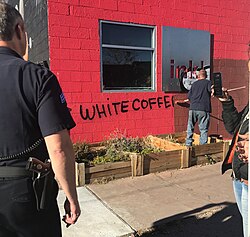
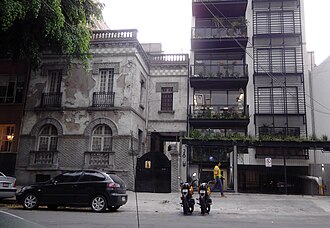
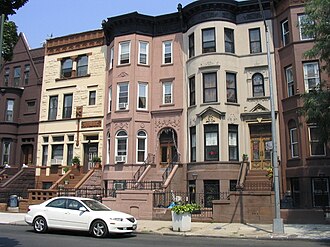
Gentrification is a global phenomenon, appearing in cities from London and Berlin to Mexico City and Cape Town. In the United States, the rate of gentrification varies wildly by city.
Between 2000 and 2010, some U.S. cities experienced extreme gentrification rates, while others remained stagnant.
| High Gentrification Cities (≥40%) | Rate | Low Gentrification Cities (<10%) | Rate |
|---|---|---|---|
| Portland, Oregon | 58.1% | Memphis | 8.8% |
| Washington, D.C. | 51.9% | Tucson | 8.3% |
| Minneapolis | 50.6% | Tulsa | 7% |
| Seattle | 50% | Cleveland | 6.7% |
| Atlanta | 46.2% | Detroit | 2.8% |
| Denver | 42.1% | Las Vegas | 2% |
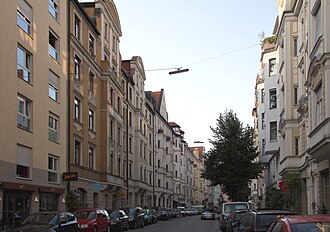
Resistance and Control
To combat the negative effects of displacement, various communities and governments have implemented control measures:
- Zoning Ordinances: Regulations that limit the type of development allowed in certain areas.
- Community Land Trusts: Non-profit organizations that own land to keep housing permanently affordable.
- Rent Control: Legal limits on how much landlords can increase rent.
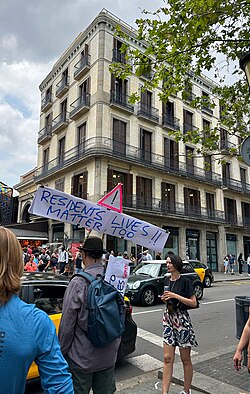
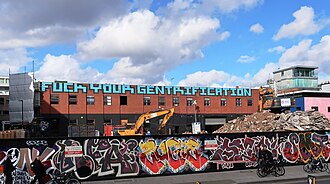
- Direct Action: Protests and sabotage aimed at developers or businesses seen as catalysts for gentrification.
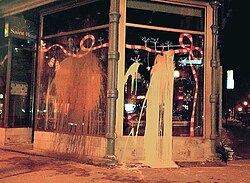
Examples of resistance include the "Movement for Justice in El Barrio" in New York and various protests against "tech buses" in San Francisco. In some cases, this tension has escalated into vandalism, such as attacks on coffee shops in Montreal and Denver.
Frequently Asked Questions
What is the main difference between urban renewal and gentrification?
While urban renewal is often a top-down government program to clear "slums" or rebuild infrastructure, gentrification is typically driven by market forces and the influx of private, affluent residents.
Does gentrification always lead to displacement?
Not always, but it increases the risk. Displacement occurs when rising costs of living, such as rent and property taxes, exceed the financial means of the original residents.
Who are the typical "pioneers" of gentrification?
Early stages often involve artists, students, and young professionals who are attracted to the low cost of living and the unique cultural character of a neglected urban area.
Can gentrification be stopped?
While difficult to stop entirely due to market demand, its negative effects can be mitigated through policy tools like rent control, community land trusts, and inclusive zoning ordinances.
Why is gentrification considered a controversial topic?
It is controversial because it creates a conflict between economic improvement (higher property values, better services) and social stability (the loss of community identity and the displacement of vulnerable populations).