Combat Search and Rescue: The Evolution of Life-Saving Missions
Combat Search and Rescue (CSAR)—the specialized process of locating and recovering personnel in hostile environments—did not emerge as a single invention. Instead, it evolved through a century of conflict, driven by the urgent need to prevent the capture or death of downed aircrew and wounded soldiers. From the improvised armored cars of the First World War to the sophisticated helicopter operations of the Vietnam era, the history of CSAR is a testament to military ingenuity and bravery.
The Early Days of Aerial Rescue
The foundations of CSAR doctrine were laid during the First World War, particularly in the fluid combat theaters of the Middle East and the Balkans. Initially, the Royal Navy Air Service established an Armoured Car Section. These armed touring cars were designed to venture into the field to locate and retrieve aircrew who had been forced down. However, as the war shifted toward static trench warfare, these vehicles became impractical in Europe and were redeployed to the Middle East.
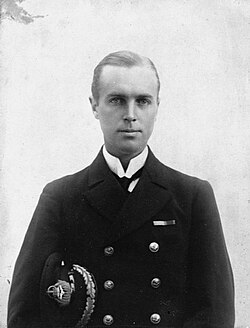
In 1915, a landmark event occurred when Squadron Commander Richard Bell-Davies of the British Royal Naval Air Service executed the first combat rescue by aircraft. Using a single-seat aeroplane, Bell-Davies descended near a burning machine to rescue his wingman, Sub-Lieutenant Smylie, in Bulgaria, despite the proximity of enemy forces. This act of gallantry, for which he received the Victoria Cross, established the emotional and tactical precedent for future rescue missions.
Expansion in the Middle East and World War II
Following Bell-Davies' success, British and Commonwealth forces expanded these tactics during the Mesopotamian campaign. Search parties in the air were frequently used to locate aviators shot down in hostile Bedouin territory to facilitate their rescue.
By World War II, other nations were refining their approach. The German Luftwaffe operated the Seenotdienst, a specialized organization that utilized armed, camouflaged air-sea rescue aircraft to recover personnel from the water.
The Birth of Modern MEDEVAC and Pararescue
The transition toward modern medical evacuation (MEDEVAC)—the emergency movement of wounded personnel from the battlefield to a medical facility—was pioneered during the First Indochina War. French physician and pilot Valérie André utilized helicopters to fly into combat zones to treat or retrieve injured soldiers, bridging the gap between battlefield trauma and surgical care.
In the United States, the roots of Pararescue (specialized rescue technicians) can be traced back to August 1943 in Burma. Lt. Col. Don Flickinger, Sgt. Richard S. Passey, and Cpl. William G. MacKenzie parachuted from search planes into the Naga area to care for the injured. Although parachute rescues were not officially authorized at the time, this mission is regarded by Pararescuemen (PJs) as the birth of the United States Air Force Pararescue. This era of bravery came with high costs, exemplified by the death of Capt. Porter, who was killed when his B-25 was shot down during a rescue mission.
Lessons from the Vietnam War
The Vietnam War served as a critical turning point for CSAR strategy. The high-risk rescue of "Bat 21" forced the US military to re-evaluate its approach to high-threat environments. Military leaders realized that if a mission was predestined to fail, it should not be attempted; instead, they began incorporating special operations, diversionary tactics, and creative, situation-specific approaches.
To improve close air support (CAS)—air attacks by aircraft against hostile targets in close proximity to friendly forces—the US Air Force introduced the A-7 Corsair to replace the A-1 Skyraider. Both aircraft were originally carrier-based naval attack bombers, but they provided the necessary firepower to protect rescue teams.
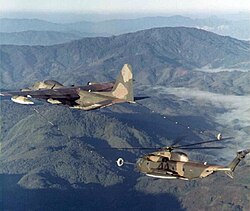
The experience in Vietnam also led to significant technological advancements, including improved night-vision capabilities for helicopters and the development of area denial munitions to keep enemy forces away from rescue sites.
Key Facts
- First Aircraft Rescue: Performed by Richard Bell-Davies in 1915 during WWI.
- USAF Pararescue Origin: Traced to an unauthorized 1943 parachute rescue mission in Burma.
- MEDEVAC Pioneer: Valérie André introduced helicopter-based medical retrieval in the First Indochina War.
- Vietnam War Toll: US SAR forces saved 3,883 lives, but lost 71 rescuers and 45 aircraft.
- Tactical Shift: The "Bat 21" mission led to the use of diversionary tactics and special operations in high-threat CSAR.
| Era/Conflict | Key Innovation/Unit | Primary Method |
|---|---|---|
| World War I | RNAS Armoured Car Section | Armoured touring cars |
| World War II | Luftwaffe Seenotdienst | Camouflaged air-sea rescue planes |
| Indochina War | Valérie André | Helicopter MEDEVAC |
| Burma (1943) | Early USAF PJs | Parachute insertion |
| Vietnam War | A-7 Corsair / Night Helos | Close air support & night operations |
Frequently Asked Questions
Who performed the first combat search and rescue by aircraft?
Squadron Commander Richard Bell-Davies of the British Royal Naval Air Service performed the first combat aircraft rescue in 1915, saving his wingman in Bulgaria.
What is the origin of US Air Force Pararescue?
USAF Pararescue is considered to have been born in August 1943, when a flight surgeon and two technicians parachuted into the Naga area of Burma to assist the injured, despite such rescues not being officially authorized at the time.
How did the Vietnam War change CSAR tactics?
The US military moved away from rigid rescue attempts in high-threat areas, instead adopting special operations, diversionary tactics, and better close air support using aircraft like the A-7 Corsair.
What was the role of the Seenotdienst?
The Seenotdienst was a Luftwaffe organization during World War II that operated armed, camouflaged aircraft specifically for air-sea rescue missions.
What was the human cost of SAR operations during the Vietnam War?
While US SAR forces successfully saved 3,883 lives, the operations resulted in the loss of 71 rescuers and 45 aircraft.