Cologne: A Journey Through Germany's Historic Rhine Metropolis
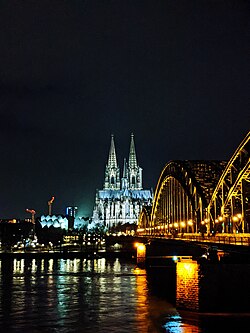
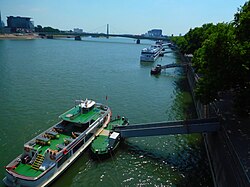
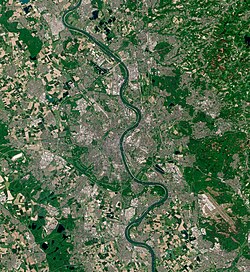
Cologne, known as Köln in German and Kölle in the local Kölsch dialect, is a vibrant urban center located in the state of North Rhine-Westphalia. Situated on the banks of the Rhine River, it serves as a critical hub of culture, commerce, and history. With a population exceeding one million residents, it is one of Germany's most significant cities, blending ancient Roman roots with a cutting-edge modern skyline.
From its towering Gothic cathedral to its bustling riverfront, Cologne offers a unique intersection of spiritual heritage and industrial strength. Whether viewed as a center for academic research or a destination for world-class art, the city remains a cornerstone of the Rhineland region.
Key Facts
- Founded: 38 BC as a Roman settlement.
- Population: 1,024,621 (as of December 31, 2024).
- Geography: Located in North Rhine-Westphalia at an elevation of 37 meters.
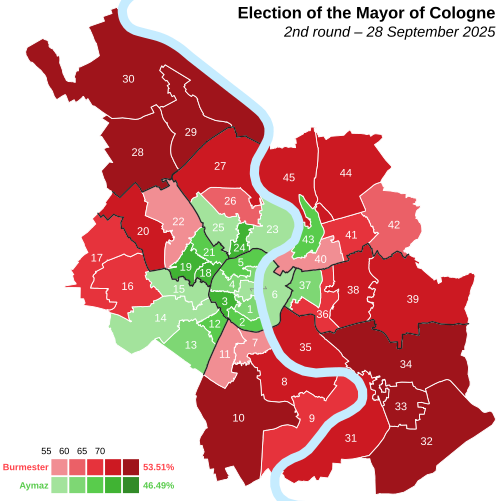
- Administration: Led by Lord Mayor Torsten Burmester (2025–2030).
- Global Reach: Twinned with major cities including Barcelona, Beijing, and Liverpool.
A Timeline of History
Roman Foundations and the Middle Ages
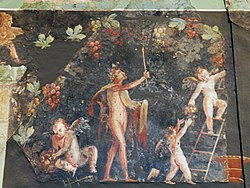
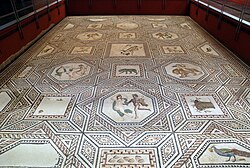
Cologne's history begins in 38 BC, establishing it as one of the oldest cities in Germany. During the Roman era, it flourished as a strategic outpost, leaving behind a legacy of mosaics and frescoes that are still preserved today.
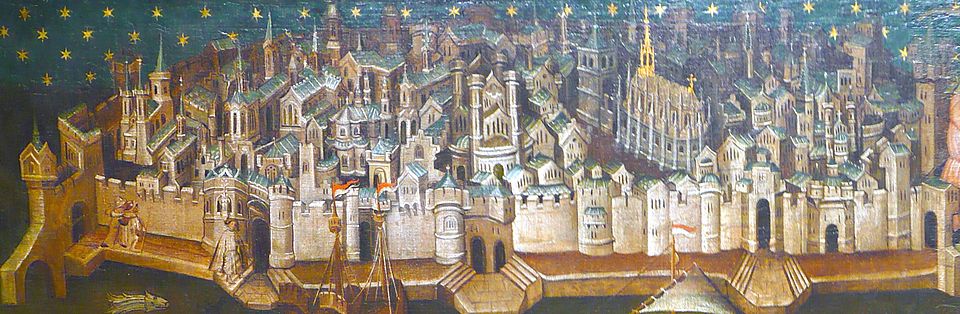
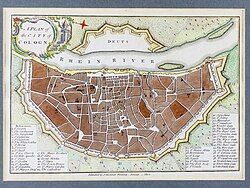
As the city transitioned into the Middle Ages, it became a powerhouse of trade and religion. The construction of the medieval city walls, featuring 16 gates such as the Eigelsteintor and Hahnentor, protected the growing urban center.
From Early Modernity to World War II
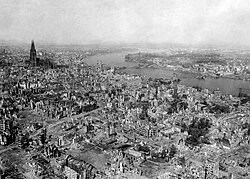
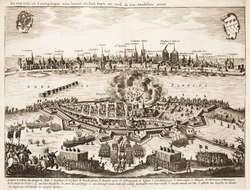
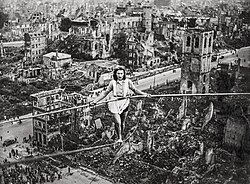
The early modern period saw Cologne evolve through various political shifts, including the turmoil of the Thirty Years' War in the 17th century. However, the 20th century brought unprecedented devastation. During World War II, the city suffered catastrophic bombing raids that left much of its center in ruins.
Post-War Recovery and Modernity
The post-war era was defined by resilience. In the immediate aftermath of 1945, the city began a massive reconstruction effort, transforming from a landscape of rubble into a modern metropolis. Today, Cologne is a center for international business, media, and education.
Geography and Urban Structure
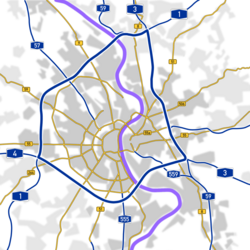
Cologne is organized into 9 boroughs (Stadtbezirke) and 85 districts (Stadtteile). The Innenstadt (City Center) serves as the heart of the city, while other boroughs like Lindenthal, Ehrenfeld, and Mülheim provide diverse residential and commercial environments.
Climate and Environment
The city experiences a temperate climate. According to data from the Cologne Bonn Airport (1991–2020), the average annual precipitation is approximately 802.1 mm. Summer temperatures can reach record highs of 40.3°C, while winter lows have dipped to -23.4°C.
Demographics and Society
Cologne is a multicultural city with a significant population of foreign citizens. As of December 2021, 436,660 residents held foreign citizenship, with the largest groups originating from Europe (65%) and Asia (17.9%). Turkey is the most prominent country of origin for foreign residents.
| Year | Population | Growth (%) |
|---|---|---|
| 1430 | 40,000 | — |
| 1801 | 42,024 | +5.1% |
| 1900 | 372,229 | +157.2% |
| 1950 | 603,283 | -17.8% |
| 2022 | 1,017,355 | +1.2% |
Culture, Landmarks, and Economy
Architectural Highlights
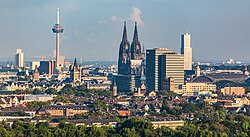
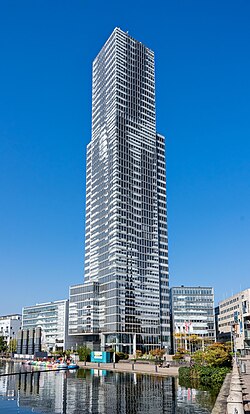
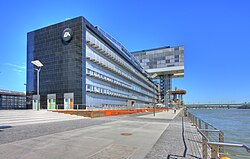
The skyline is dominated by the Cologne Cathedral and several high-rise structures. The KölnTurm is the tallest building at 148.5 meters, followed closely by the Colonia-Hochhaus.
Museums and Arts
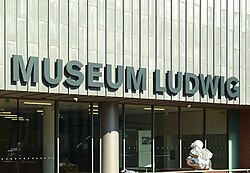
Cologne is a premier destination for art lovers. The Museum Ludwig houses one of the world's most important modern art collections, while the Römisch-Germanisches Museum preserves the city's ancient heritage.
Culinary Traditions
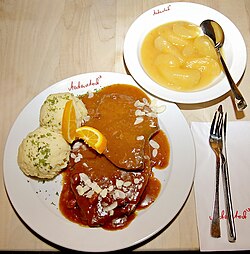
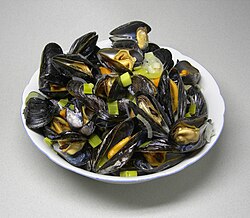
The city is famous for its local breweries, such as Heinrich Reissdorf and Gaffel Becker & Co. Traditional dishes include Rhenish Sauerbraten (horse meat in raisin sauce) and Rhineland-style mussels.
Education and Infrastructure
Cologne is a leading academic center, home to the University of Cologne and several specialized colleges in music, dance, and design. It also hosts prestigious research institutes, including the Max Planck Institute for the Biology of Ageing and the European Astronaut Centre (EAC).
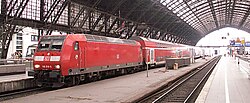
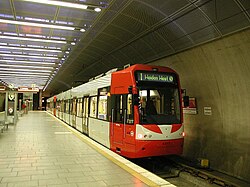
Transport is facilitated by a comprehensive network of roads, the Cologne Stadtbahn (light rail), and the central Köln Hauptbahnhof railway station.
Frequently Asked Questions
Who is the current Lord Mayor of Cologne?
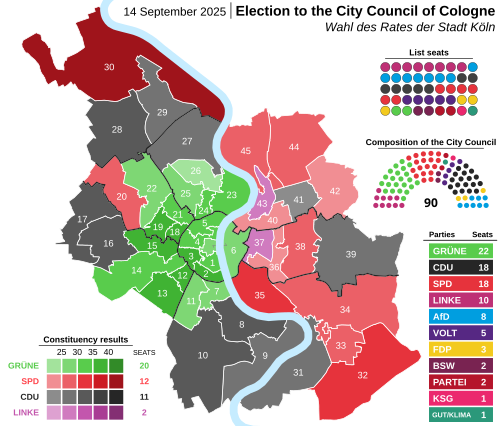
As of the 2025 election, the Lord Mayor is Torsten Burmester of the Social Democratic Party (SPD), serving a term until 2030.
What are the most important museums in the city?
Key institutions include the Museum Ludwig for modern art, the Römisch-Germanisches Museum for ancient history, and the Imhoff-Schokoladenmuseum (Chocolate Museum).
How has the population of Cologne changed over time?
The city grew steadily from 40,000 in 1430 to over 1 million by 2024, with a notable dip following World War II before recovering in the late 20th century.
What is the tallest building in Cologne?
The KölnTurm is the tallest structure in the city, standing at 148.5 meters with 43 floors.
Which sports teams are prominent in Cologne?
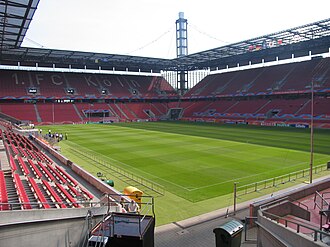
The city is home to the Bundesliga football club 1. FC Köln, which plays at the RheinEnergieStadion.