North Rhine-Westphalia: Germany's Most Populous State
North Rhine-Westphalia (NRW) is a landlocked state in Western Germany that serves as a critical industrial and demographic hub for Europe. With a population exceeding 18 million, it is the most populous state in Germany and, excluding the city-states of Berlin, Hamburg, and Bremen, the most densely populated. Spanning approximately 34,112 square kilometers, it ranks as the fourth-largest German state by area.
The state is defined by the Rhine-Ruhr metropolitan area, the largest urban region in Germany and the fourth-largest in Europe. Positioned within the "European Blue Banana"—a corridor of high population density and economic activity—NRW is seamlessly connected to other major hubs such as the Randstad and the Frankfurt Rhine-Main Region.
Key Facts
- Capital: Düsseldorf
- Largest City: Cologne
- Population: 18,152,449 (as of June 2023)
- GDP: €909.411 billion (2025 estimate)
- Founded: August 23, 1946
- HDI: 0.955 (Very High)
- Administrative Center: Landtag of North Rhine-Westphalia
History and Formation
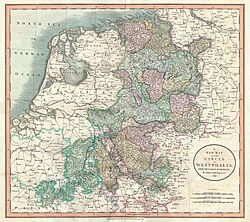
North Rhine-Westphalia was established on August 23, 1946, through "Operation Marriage," a British military administration initiative. This process merged the Prussian province of Westphalia with the northern parts of the Rhine Province. Shortly after, on January 21, 1947, the Free State of Lippe joined the union. The state's constitution was subsequently ratified via a public referendum.
The state played a pivotal role in post-war German history. The city of Bonn served as the federal capital of West Germany until the national reunification in 1990 and remained the seat of government until 1999.
Geography and Administrative Structure
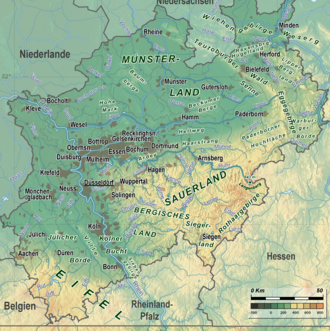
The landscape of NRW varies from the plains of the Lower Rhine to the Central Uplands (Mittelgebirge), reaching the gorge of Porta Westfalica. The state shares international borders with Belgium and the Netherlands, and domestic borders with Lower Saxony, Hesse, and Rhineland-Palatinate.
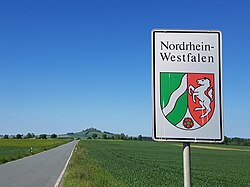
The state is organized into five government regions (Regierungsbezirke), which are further divided into 31 rural districts (Kreise) and 23 urban districts (kreisfreie Städte). These regions are grouped under two larger associations: the Landschaftsverband Rhineland and the Landschaftsverband Westfalen-Lippe.
| Government Region | Historical Region | Key Areas |
|---|---|---|
| Düsseldorf | Rhineland | Bergisches Land, Lower Rhine |
| Köln | Rhineland | Eifel, Aachen, Cologne/Bonn |
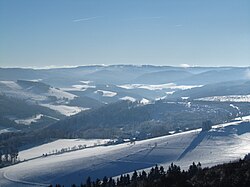
| Arnsberg | Westphalia | Sauerland, Siegerland |
| Detmold | Westphalia/Lippe | Lippe, Minden-Ravensberg |
| Münster | Westphalia | Münsterland |


Demographics and Urban Centers
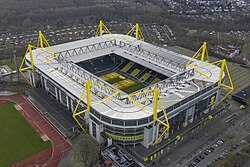
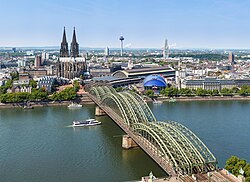
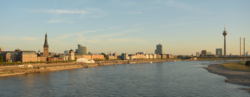
NRW is characterized by a polycentric urban structure. It contains 30 of Germany's 81 municipalities with over 100,000 residents. Cologne is the largest city with over 1 million inhabitants, followed by the capital, Düsseldorf, and the industrial hubs of Dortmund and Essen.
The population is diverse, with significant communities from Turkey, Syria, Ukraine, and Poland. In terms of faith, the state has the highest number of both Roman Catholics (32.7%) and Protestants (20.8%) of any German state, while 46.5% of the population is irreligious or belongs to other denominations.
Economy and Infrastructure
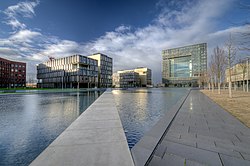
NRW is the economically strongest state in Germany by GDP, contributing approximately one-fifth of the national total. While it has transitioned from heavy industry, it remains a global leader in mechanical engineering and metalworking. Notably, 37 of Germany's top 100 corporations are headquartered here.
Transport Networks
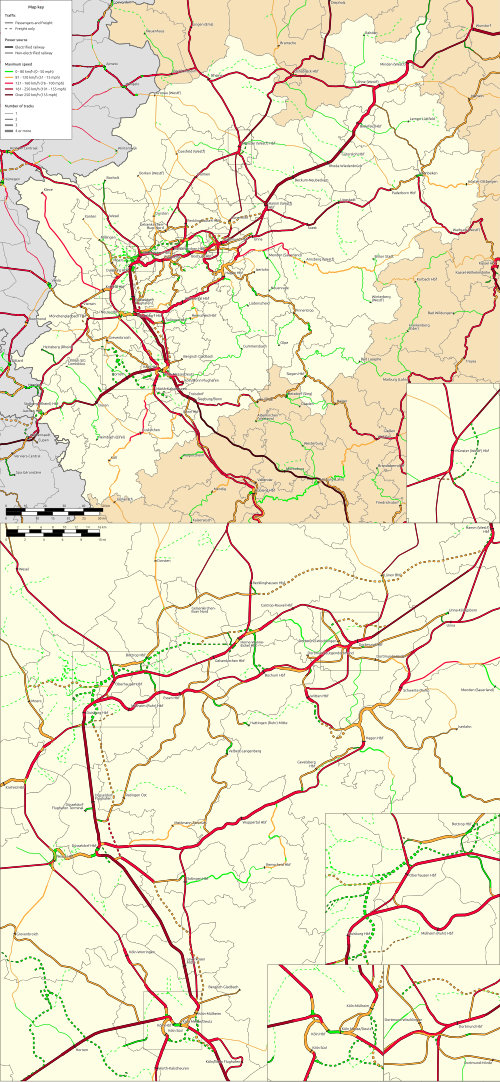
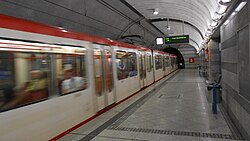
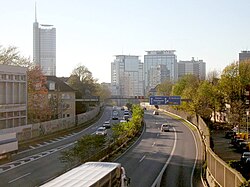
The state boasts the densest Autobahn network in Germany, featuring a grid of five east-west and eight north-south routes. Rail transport is equally extensive, with the VRR and VRS networks providing comprehensive S-Bahn, RegionalExpress, and Stadtbahn (light rail) services.
Education and Research
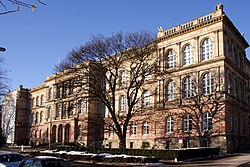
NRW is a center for academic excellence, hosting 14 universities and over 50 postgraduate colleges. The University of Cologne, founded in 1388, is the oldest and largest, while RWTH Aachen is recognized as one of Germany's leading universities of technology.
Politics and Governance
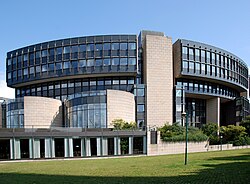
The state is governed by the Landtag, the state parliament. As of the 2022 elections, the government is led by Minister-President Hendrik Wüst (CDU), with a coalition consisting of the CDU and the Greens.
Frequently Asked Questions
What is the largest city in North Rhine-Westphalia?
Cologne is the largest city, with a population exceeding 1 million inhabitants.
How was the state of North Rhine-Westphalia created?
It was established on August 23, 1946, by the British military administration through the merger of the Prussian provinces of Westphalia and the northern Rhine Province, later joined by the Free State of Lippe in 1947.
Which city served as the federal capital of Germany in NRW?
Bonn served as the federal capital until German reunification in 1990 and remained the seat of government until 1999.
What is the economic significance of NRW?
NRW is Germany's economically strongest state by GDP, accounting for roughly 20% of the national GDP and hosting 37 of the country's top 100 corporations.
What are the primary religions in the state?
The state has a high concentration of Christians, with 32.7% identifying as Roman Catholic and 20.8% as Protestant, while 46.5% are irreligious or follow other faiths.