Club Atlético Independiente: The History of the King of Cups
Founded at the dawn of the 20th century, Club Atlético Independiente stands as one of the most decorated institutions in world football. Known for its relentless pursuit of silverware and a rich tradition of attacking play, the club has evolved from a neighborhood team in Buenos Aires to a global powerhouse. With 18 FIFA-recognized international titles, Independiente shares the record for the most successful club in the Americas with Boca Juniors and ranks third globally.
The club's identity is inextricably linked to its striking red colors and its home in Avellaneda, where it maintains one of the most intense rivalries in sports. From the early days of amateurism to the professional era, Independiente has consistently defined excellence in South American football.
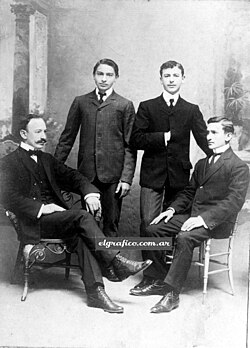
Key Facts
- Founded: January 1, 1905 (Institutional formation on August 4, 1904).
- Nicknames: Rey de Copas (King of Cups), Orgullo Nacional (National Pride), and Diablos Rojos (Red Devils).
- Stadium: Estadio Libertadores de América – Ricardo Enrique Bochini.
- International Success: Most successful club in the Americas (tied) with 18 FIFA-recognized titles.
- Home Colors: Red, inspired by Nottingham Forest.
Early Years and the Rise to Prominence
Independiente began its journey in the Monserrat neighborhood of Buenos Aires before moving to Crucecita in 1907 and finally settling in Avellaneda in 1928. The club's first taste of official success came in 1909 with the Bullrich Cup, a second-tier league trophy. This victory signaled the start of a rapid ascent, leading to their promotion to the Primera División (the top flight of Argentine football) in 1911.
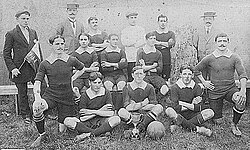
The 1920s marked the club's emergence as a dominant force. In 1922, Independiente captured its first Primera División title in a season defined by an incredible offensive display, scoring 97 goals. A key figure in this era was Manuel Seoane, who set a lasting record by scoring 55 goals in a single championship.
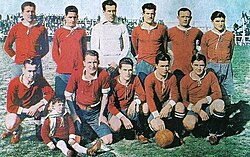
The Professional Era and the Legendary Trident
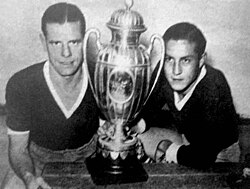
In 1931, Independiente became a founding member of the Liga Argentina de Football, the country's first professional league. By the late 1930s, the club entered a golden period led by a formidable attacking trio: Arsenio Erico, Antonio Sastre, and Vicente de la Mata. This trident scored a combined 556 goals, propelling the club to two Primera championships (1938 and 1939) and the club's first international trophy, the 1938 Copa Aldao.
The Golden Era: Rey de Copas
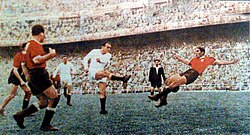
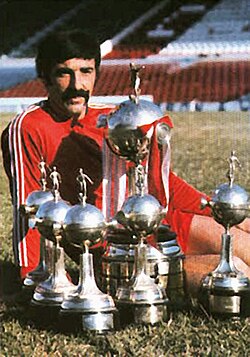
The period between the 1960s and 1980s cemented Independiente's reputation as the Rey de Copas (King of Cups). The club became a specialist in the Copa Libertadores, the premier club competition in South America. By 1973, they had won four titles, surpassing the previous records held by Peñarol and Estudiantes.
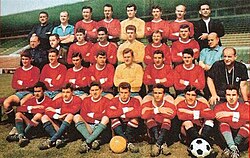
The 1973 season was particularly historic, as the club secured the Copa Libertadores, the Copa Interamericana, and the Intercontinental Cup. This dominance continued into the 1980s; notably, their 1984 Intercontinental victory over a British side earned them the nickname Orgullo Nacional (National Pride), as it was the first such encounter following the Falklands War.
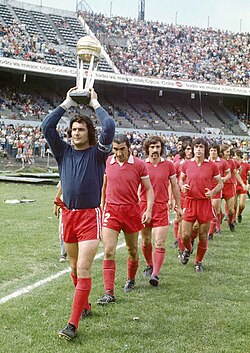
The international success extended into the 1990s with two Supercopa Libertadores titles (1994, 1995) and a Recopa Sudamericana in 1995. Their victory at the Maracanã Stadium in 1995 made them the first foreign club to be crowned champions at that iconic venue.
Identity, Kit, and Stadium
The club's iconic red shirt was adopted in 1908. The choice was inspired by the English club Nottingham Forest, whose performance during a tour of Argentina deeply impressed the Independiente executives.
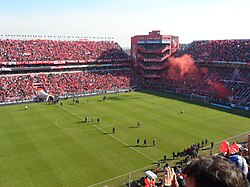
Today, the club plays at the Estadio Libertadores de América – Ricardo Enrique Bochini. Opened in 2009 and completed in 2016, the stadium has a capacity of 43,187 and is named after the club's most legendary player, Ricardo Bochini.
Club Summary
| Category | Details |
|---|---|
| Full Name | Club Atlético Independiente |
| Founded | January 1, 1905 |
| Primary Stadium | Estadio Libertadores de América – Ricardo Enrique Bochini |
| Capacity | 43,187 |
| Most Appearances | Ricardo Bochini (638 matches) |
| All-Time Top Scorer | Arsenio Erico (295 goals) |
| International Titles | 18 (FIFA-recognized) |
Frequently Asked Questions
Why is Independiente called the "Rey de Copas"?
The nickname "Rey de Copas" (King of Cups) was earned due to the club's extraordinary success in international competitions, particularly after winning its fourth Copa Libertadores and the Intercontinental Cup in 1973.
Where did the club's red colors come from?
The red shirt was adopted in 1908 after club executives were impressed by the performance of the English side Nottingham Forest during their tour of Argentina in 1905.
Who is the most significant player in the club's history?
While Arsenio Erico is the all-time leading scorer with 295 goals, Ricardo Bochini is equally legendary, holding the record for the most appearances (638) and having the stadium named in his honor.
What is the significance of the nickname "Orgullo Nacional"?
Independiente is called "Orgullo Nacional" (National Pride) following their 1984 Intercontinental Cup victory, which marked the first match between an Argentine and a British team after the Falklands War.
Which stadium does Independiente currently use?
The club plays its home matches at the Estadio Libertadores de América – Ricardo Enrique Bochini, located in Avellaneda, Buenos Aires Province.