Clootie Wells: The Ancient Celtic Tradition of Healing Springs
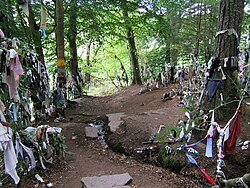
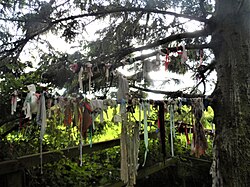
Across the landscapes of Scotland, Ireland, and Cornwall, one can find mysterious trees draped in colorful ribbons and weathered strips of fabric. These are clootie trees, the companions to clootie wells—sacred springs where ancient rituals of healing and faith continue to thrive. Derived from the Scots word cloot, meaning a piece of cloth or rag, these sites serve as focal points for pilgrimage and spiritual supplication in Celtic regions.
The tradition is rooted in the ancient custom of leaving votive offerings—objects left in fulfillment of a vow or as a request for divine favor—in water. While these sites are often associated with saints in modern times, they likely originate from pre-Christian worship of goddesses or local nature spirits.
Key Facts
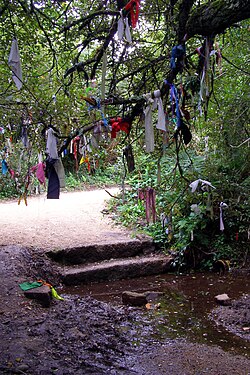
- Definition: A clootie well is a holy spring accompanied by a tree where cloth strips are tied as part of a healing ritual.
- Geography: Primarily found in Celtic areas, including Scotland, Ireland, and Cornwall.
- Common Trees: Hawthorn and ash trees are the most frequent species found at these sites.
- Timing: Pilgrimages often peak during Saint's feast days or Gaelic festivals like Imbolc, Beltane, Lughnasadh, and Samhain.
- Purpose: Most visitors seek physical or spiritual healing, though some visit simply to honor the spirit of the well.
The Rituals of the Clootie Well
While the core purpose of a clootie well is healing, the specific practices vary by location. The most common ritual involves dipping a piece of cloth into the holy water and tying it to a branch while offering a prayer of supplication to the resident spirit or saint.
Healing Through Decay
In some traditions, the cloth is used to wash the affected part of the body before being tied to the tree. The belief is that as the fabric naturally disintegrates and rots over time, the ailment it represents fades away and eventually disappears. Because of this "shedding" principle, some offerings are old, grotesque rags. Conversely, those viewing the cloth as a gift to a deity typically use clean, brightly colored ribbons.
Additional Offerings and Customs
Beyond the cloth, visitors may engage in circumambulation—the act of walking in a circle around the well a specific number of times. Other common votive offerings include:
- Coins, pins, or stones deposited in the water.
- Religious items such as rosaries, crosses, medals, and icons.
- Historically, wool and human hair were used as charms against sorcery or as tokens of penance.
Notable Clootie Wells and Locations
Clootie wells are scattered across the British Isles, each with its own local history and legend.
Scotland
The Tobar Churadain (Saint Curetán's well) near Munlochy on the Black Isle is a prominent site once believed to cure sick children who were left there overnight. In the Culloden woods, St Mary's Well was traditionally visited on the first Sunday of May. Other sites include Craigie Well at Avoch and the now-lost well of St Fillan at Kilallan in Renfrewshire.
Cornwall and Ireland
In Cornwall, Madron Well is a primary example where the decay of the cloth symbolizes the disappearance of illness. While other Cornish wells like Alsia and Sancreed have seen rags appear in recent decades, Madron was historically the most noted for this practice. In Ireland, the Loughcrew site in County Meath features a wishing tree near megalithic burial grounds dating back to 3500–3300 BC, where visitors tie ribbons to a hawthorn tree.
Summary of Clootie Well Traditions
| Region | Notable Site | Primary Ritual/Belief | Common Offerings |
|---|---|---|---|
| Scotland | Tobar Churadain | Healing for children | Rags, cloth strips |
| Cornwall | Madron Well | Ailment fades as cloth rots | Rags |
| Ireland | Loughcrew | Wishing/Spiritual connection | Ribbons |
| General | Various | Supplication to spirits/saints | Coins, rosaries, pins |
Clootie Wells in Modern Culture
Interest in these sites has seen a resurgence. Folklorist Marion Bowman noted a marked increase in both existing and new clootie well locations, as many people seek to perpetuate what they perceive as an ancient Celtic activity. This fascination has extended into the arts, with the Munlochy well appearing in the film The Party's Just Beginning and inspiring Ian Rankin's novel The Naming of the Dead. The 2022 film The Wonder also depicts the ritual of the holy well and clootie tree.
Frequently Asked Questions
What is a clootie well?
A clootie well is a sacred spring, typically found in Celtic regions, featuring a nearby tree where people tie strips of cloth (clooties) as part of a ritual to seek healing or honor a spiritual entity.
Why are rags tied to the trees?
The practice is often linked to healing; it is believed that as the cloth decays, the person's ailment also disappears. For others, the cloth serves as a votive offering to a saint, goddess, or nature spirit.
Which trees are typically used as clootie trees?
Hawthorn trees are the most common, although ash trees are also frequently found at these sacred sites.
When is the best time to visit a clootie well?
Pilgrimages are most popular on the feast days of Saints, Patron days, or during the traditional Gaelic festivals of Imbolc (Feb 1), Beltane (May 1), Lughnasadh (Aug 1), and Samhain (Nov 1).
Are clootie wells still active today?
Yes, many remain active sites of pilgrimage and spiritual practice, and some researchers have observed an increase in their popularity in recent years.