Civil Engineering: Shaping the Built Environment
Civil engineering is a professional engineering discipline focused on the design, construction, and maintenance of the physical and naturally built environment. From the roads we drive on to the systems that provide our clean water, civil engineering encompasses the essential public works that sustain modern society, including bridges, canals, dams, airports, sewage systems, pipelines, railways, and the structural components of buildings.
As the second-oldest engineering discipline—following only military engineering—civil engineering was originally defined to distinguish non-military works from those intended for warfare. Today, the profession operates across both the public sector, through municipal and national government agencies, and the private sector, ranging from small local firms to Fortune Global 500 corporations.
Key Facts

- Scope: Covers the design and maintenance of critical infrastructure like roads, bridges, and water systems.
- Origins: Traces back to early human settlements (4000–2000 BC) in Egypt, Mesopotamia, and the Indus Valley.
- Professionalization: Formally recognized as a profession in 1828 via the Royal Charter of the Institution of Civil Engineers.
- Interdisciplinary Nature: Integrates physics, mathematics, materials science, geology, and hydrology.
- Diverse Sectors: Practiced in both government public works and private commercial firms.
The Evolution of Civil Engineering

From Ancient Necessity to Scientific Discipline
The practice of civil engineering began when humans transitioned from nomadic lifestyles to permanent settlements between 4000 and 2000 BC. This shift created an immediate need for shelter and transportation, leading to the invention of the wheel and sailing. Early achievements include the Egyptian pyramids (c. 2700–2500 BC) and the Qanat water management system in Iran, some of which are over 3,000 years old.
The Romans further advanced the field, constructing vast networks of roads, harbors, dams, and aqueducts—conduits designed to transport water from remote sources into cities.
![A Roman aqueduct [built c. 19 BC], Pont du Gard, France](/images/ec/07/ec07e937fc603356639a6c74dfa7ff0eefaad9beb2b2912c4d1d496690581d75.jpg)
The Rise of the Profession
For centuries, there was no clear distinction between the architect and the engineer. It wasn't until the 18th century that the term "civil engineering" was coined to separate civilian projects from military ones. In 1747, France established the École Nationale des Ponts et Chaussées, the first institution dedicated to teaching the craft.
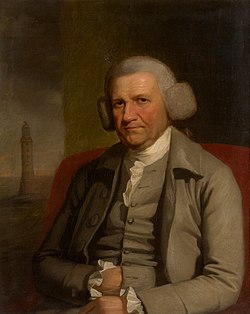
John Smeaton, known as the "father of civil engineering," was the first to self-identify as a civil engineer after constructing the Eddystone Lighthouse. By 1818, the Institution of Civil Engineers was founded in London, receiving a Royal Charter in 1828 that formally established civil engineering as a recognized profession.
Core Sub-Disciplines of Civil Engineering

Because the field is so broad, it is divided into several specialized branches. General civil engineers, often called site engineers, focus on converting land from one use to another, coordinating with surveyors to plan drainage, pavement, and utility supply.
Structural and Earthquake Engineering
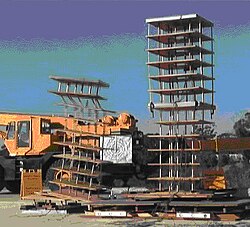
Structural engineering focuses on the integrity of buildings and bridges. A critical subset is earthquake engineering, which designs structures to withstand seismic hazards. This involves studying how structures interact with unstable ground to ensure they comply with safety building codes.
Geotechnical Engineering
Geotechnical engineering examines the rock and soil that support infrastructure. Unlike steel or concrete, soil is highly variable and exhibits nonlinear strength and stiffness, making it challenging to predict. Engineers in this field design foundations and retaining walls while managing groundwater protection.

Environmental and Water Resources Engineering
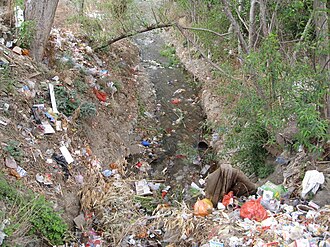
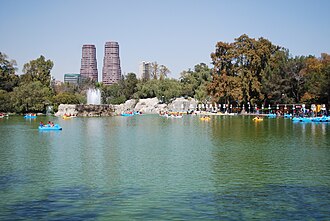
Environmental engineering (formerly sanitary engineering) deals with the purification of air and water, waste treatment, and the remediation of contaminated sites. Closely related is water resources engineering, which manages the quantity and quality of water in aquifers, lakes, and rivers.
Within this realm, hydraulic engineering specifically focuses on the flow of fluids, designing the pipelines, levees, and canals that move water efficiently.
Transportation and Construction Engineering
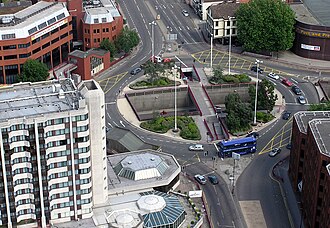
Transportation engineering focuses on the movement of people and goods, designing everything from highways to complex roundabouts. Construction engineering handles the actual execution of these plans, managing the logistics, material transportation, and contractual risks associated with large-scale builds.
Education and Professional Training
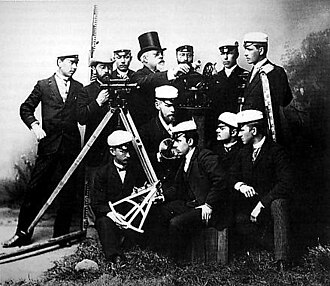
Formal education in the US began with Norwich University in 1819, and the first degree was awarded by Rensselaer Polytechnic Institute in 1835. In the UK, the Industrial Revolution and the expansion of the railway system drove the creation of specialized engineering chairs and colleges in the mid-19th century.
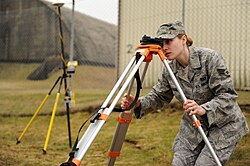
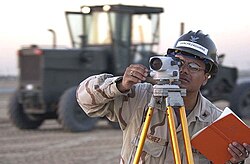
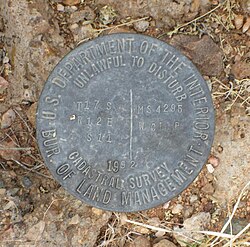
Modern civil engineers are also trained in surveying—the process of mapping and laying out the precise locations of infrastructure before construction begins.
Civil Engineering Summary

| Sub-Discipline | Primary Focus | Key Examples |
|---|---|---|
| Structural | Load-bearing integrity | Bridges, Skyscrapers |
| Geotechnical | Soil and rock mechanics | Foundations, Retaining walls |
| Environmental | Waste and pollution control | Water treatment, Recycling |
| Transportation | Mobility and traffic flow | Highways, Airports, Railways |
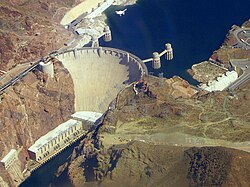
| Water Resources | Water management and flow | Dams, Canals, Aqueducts |
Frequently Asked Questions

What is the difference between civil and structural engineering?
Civil engineering is the broad umbrella discipline that covers all public works. Structural engineering is a specialized sub-discipline of civil engineering that focuses specifically on the strength and stability of the physical frames of structures.
How does geotechnical engineering differ from geology?
While geology is the study of the Earth's physical structure and substance, geotechnical engineering applies that scientific knowledge to design safe and economical foundations and structures that interact with the soil and rock.
What is the role of a site engineer?
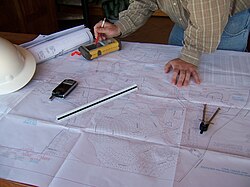
A site engineer (or general civil engineer) focuses on the practical conversion of a tract of land for a specific use. They spend significant time on-site meeting stakeholders and preparing construction plans for drainage, grading, and utilities.
Why is earthquake engineering considered a separate specialty?
Because seismic activity introduces unique dynamic forces that can cause standard structures to fail, earthquake engineering focuses specifically on the interaction between structures and shaking ground to prevent collapse during disasters.
What is the history of the term "civil engineering"?
The term was coined in the 18th century to distinguish civilian engineering projects from military engineering, reflecting a shift toward infrastructure designed for public benefit rather than warfare.