Children's Rights in the United States: A 20th Century Evolution
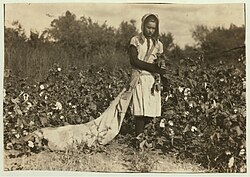
At the dawn of the 20th century, the concept of childhood in America was starkly different from today. For many, childhood was not a time of play and education, but a period of early entry into the workforce. Before the 1930s, children were routinely exploited across all levels of society, often starting hazardous work in mines, mills, factories, and sweatshops before their tenth birthday. With no labor laws to protect them and a societal view that children were easily manipulated, many suffered severe rights violations while earning little to no wages.
The journey from this era of exploitation to the establishment of modern legal protections was marked by grassroots activism, landmark court cases, and a complex relationship with international standards.
Key Facts
- Early Exploitation: Before the 1930s, child labor was common in hazardous industrial and agricultural settings.
- Legislative Milestones: The Fair Labor Standards Act of 1938 established critical limits on child labor.
- Legal Protections: Landmark Supreme Court cases like In re Gault (1967) granted juveniles due process rights.
- International Standing: The U.S. is a signatory to the UN Convention on the Rights of the Child (CRC) but remains one of only two nations that has not ratified it.
- Digital Safety: The 1999 Children's Online Privacy Protection Act (COPPA) regulates the collection of data from children under 13.
The Fight Against Child Labor (1900–1938)
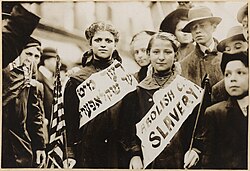
The early 1900s saw the rise of organized efforts to end child exploitation. In 1901, Jane Addams founded the Juvenile Protective Association in Chicago to combat child labor, prostitution, and drug abuse. This momentum grew in 1903 when Mary Harris "Mother" Jones led the "Children's Crusade," a march to President Theodore Roosevelt's home where children carried banners demanding time to play and go to school.
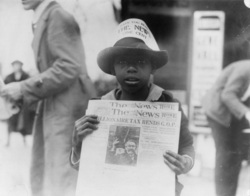
By 1904, the National Child Labor Committee was formed to abolish child labor entirely, utilizing the photography of Lewis Hine to expose the reality of working children. The federal government began to respond in 1909 with the first White House Conference on Children, which led to the creation of the Children's Bureau in 1912—the first agency to focus on the welfare of all children, not just the disadvantaged.
Early legislative attempts faced significant hurdles. A 1916 federal law prohibiting the interstate movement of goods produced by child labor was declared unconstitutional in 1918 (Hammer v. Dagenhart). It wasn't until 1938 that President Franklin D. Roosevelt signed the Fair Labor Standards Act, which finally imposed meaningful limits on child labor.

Expanding Welfare and Legal Rights (1940–1979)
Mid-century shifts focused on the balance between parental authority and state protection. In 1944, the Supreme Court ruled in Prince v. Massachusetts that parental authority is not absolute and can be restricted in the interest of a child's welfare.
The 1960s and 70s brought a revolution in juvenile justice. Justice Abe Fortas championed the rights of students and minors, leading to the landmark In re Gault (1967) decision. This ruling ensured that juveniles in delinquency proceedings received due process—the legal requirement that the state must respect all legal rights owed to a person—including the right to counsel and the right against self-incrimination.
Major Welfare Legislation
- Child Abuse Prevention and Treatment Act (1974): Created the National Center on Child Abuse and Neglect.
- Indian Child Welfare Act (1978): Granted tribal governments significant jurisdiction over custody proceedings involving Native American children.
Modern Era and International Relations (1980–1999)
In the 1980s, the U.S. played a leading role in drafting the United Nations Convention on the Rights of the Child (CRC). While the U.S. became a signatory in 1994, it has refused to ratify the treaty. A primary point of contention is the CRC's definition of a child as anyone under 18, which conflicts with U.S. laws that allow 16- or 17-year-olds to be tried as adults in certain criminal cases.
The end of the century saw a shift toward specialized protections, such as the 1997 Flores agreement regarding the treatment of unaccompanied immigrant children and the 1999 Children's Online Privacy Protection Act, which safeguards the digital privacy of children under 13.
| Year | Event/Act | Significance |
|---|---|---|
| 1912 | Children's Bureau | First federal agency focused on all children's welfare. |
| 1938 | Fair Labor Standards Act | Established federal limits on child labor. |
| 1967 | In re Gault | Established due process rights for juveniles. |
| 1978 | Indian Child Welfare Act | Prioritized tribal jurisdiction in custody cases. |
| 1989 | UN Convention on the Rights of the Child | International codification of children's rights. |
| 1999 | COPPA | Regulated online data collection for children under 13. |
Frequently Asked Questions
Why has the United States not ratified the Convention on the Rights of the Child?
The U.S. government has reservations regarding the CRC's definition of a child as anyone under 18, as this could conflict with the practice of trying 16- or 17-year-olds as adults in criminal court. Additionally, some politicians argue that many of the Convention's declarations fall outside federal jurisdiction.
What was the significance of the In re Gault decision?
The 1967 In re Gault decision was a landmark ruling that granted juveniles the same basic due process rights as adults, including the right to a lawyer, the right to confront witnesses, and the right to be notified of charges.
How did the Fair Labor Standards Act change childhood in America?
Signed in 1938, this act placed legal limits on various forms of child labor, effectively ending the routine exploitation of children in hazardous industrial jobs that had been common since the early 1900s.
What does the Children's Online Privacy Protection Act (COPPA) do?
Passed in 1999, COPPA restricts how websites and online entities collect personal information from children under the age of 13, requiring verifiable parental consent and clear privacy policies.