Chardonnay: The Global Icon of White Wine
Chardonnay is one of the most influential and widely planted grape varieties in the world. Known for its versatility, it serves as the backbone for some of the most prestigious wines on earth, from the crisp whites of Chablis to the effervescent luxury of Champagne. With approximately 210,000 hectares (520,000 acres) under cultivation globally, it ranks as the second most planted white wine grape, trailing only Airén.
Whether produced as a lean, high-acid wine in cool climates or a rich, tropical-flavored wine in warmer regions, Chardonnay's ability to adapt to various terroirs—the environmental factors including soil and climate that affect a crop's phenotype—makes it a favorite for winemakers worldwide.
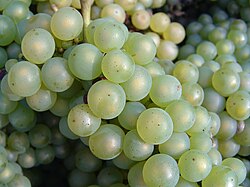
Key Facts
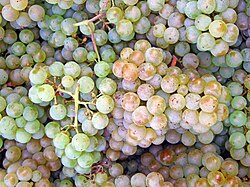
- Global Standing: Fifth most planted wine grape overall; second among white varieties.
- Ideal Soil: Thrives particularly well in chalk and limestone.
- Primary Hazards: Susceptible to powdery mildew, frost, coulure (failure of grapes to develop after flowering), and millerandage.
- Versatility: Used in still wines, sparkling wines (Champagne, Franciacorta), and dessert wines (vin de paille).
- Key Regions: Burgundy, Champagne, California, Australia, and Italy.
Genetics, Clones, and Mutations
The diversity of Chardonnay is largely driven by clonal selection. In France, the University of Burgundy in Dijon developed numerous Dijon clones to suit specific vineyard needs. For instance, clones like 'Dijon-76', '95', and '96' are lower-yielding but produce more concentrated flavors, while 'Dijon-75' and '277' are more vigorous.
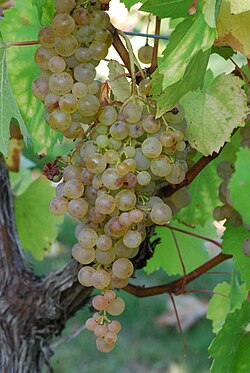
In the New World, the 'Mendoza' clone was pivotal for early California production, though it is prone to millerandage (also known as "hens and chicks"), a condition where berries in a cluster develop unevenly.
Beyond clones, Chardonnay has been used to create hybrids, such as Chardonel (a cross with Seyval blanc) and Ravat blanc. Rare mutations also exist, including the pink-berried 'Chardonnay Rose' and the aromatic 'Chardonnay Blanc Musqué'.
Regional Viticulture and Styles
France: The Ancestral Home
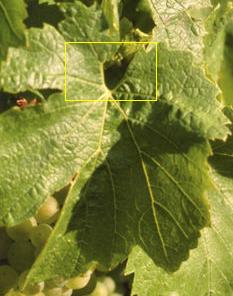
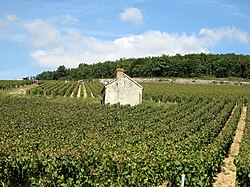
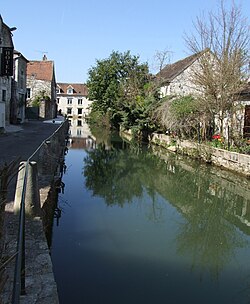
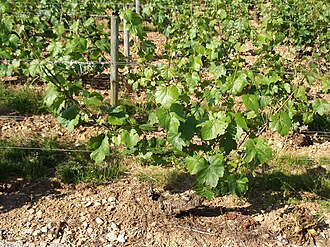
France remains the heart of Chardonnay, with Burgundy, Champagne, and Chablis accounting for over 60% of the country's plantings. In the Languedoc, Chardonnay is often blended with Mauzac for the sparkling Blanquette de Limoux. Other regions, such as Jura, use the grape (known locally as Melon d'Arbois or Gamay blanc) to produce sweet vin de paille dessert wines.
North America
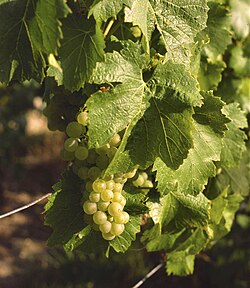
California's Chardonnay industry grew rapidly after the 1976 "Judgment of Paris," where Chateau Montelena's Chardonnay outperformed French Burgundies in a blind tasting. This led to a surge in plantings and a shift toward a richer, buttery, and heavily oaked style. To manage high alcohol levels resulting from riper harvests, some modern winemakers use reverse osmosis or spinning cones to maintain balance.
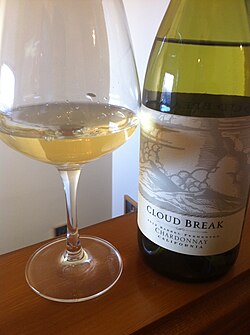
In Canada, Ontario produces rich, oaky styles, while Quebec and British Columbia favor lighter profiles. The "Judgment of Montreal" highlighted the quality of Canadian production, with Le Clos Jordanne taking top honors in a blind tasting against international competitors.
Australia, New Zealand, and Beyond
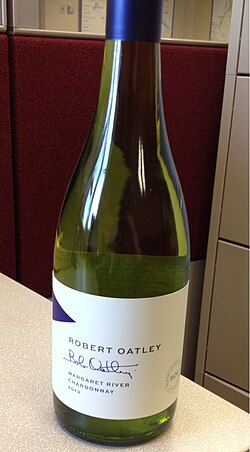
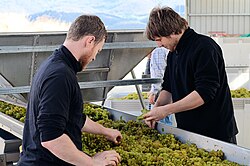
Australia saw a massive boom in the 1980s and 90s, producing approachable wines with big fruit flavors. To combat warm climates, winemakers often used oak chips and added acid during fermentation. This sometimes led to the "SemChard" style, a blend of Chardonnay and Sémillon.
In New Zealand, Chardonnay was the most planted variety until 2002. Regions like Hawke's Bay and Wairarapa are noted for producing leaner wines with higher acidity.
Other notable global regions include Italy, where Chardonnay was historically confused with Pinot blanc (known as "Golden White Burgundy" in South Tyrol), and South Africa, where it is now the third-most planted white grape.
Winemaking and Characteristics
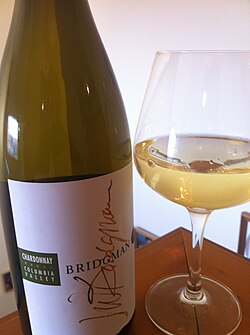
The style of Chardonnay is heavily influenced by the climate and the winemaker's choices. In cool climates, the wine is typically lean and crisp with high acidity. In medium to warm climates, it develops notes of honey and tropical fruit.
Many Chardonnays undergo lees aging, where the wine remains in contact with dead yeast cells (lees) in the barrel. Periodically stirring these lees, a process known as bâtonnage, creates a softer, creamier mouthfeel.
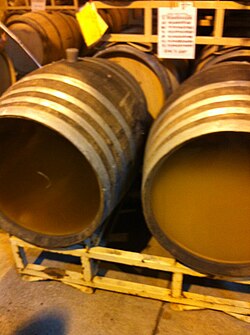
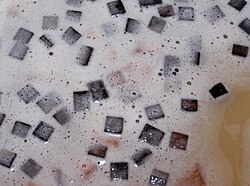
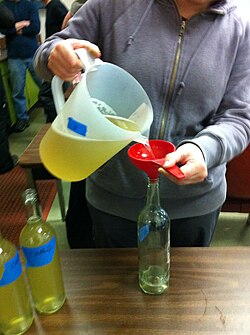
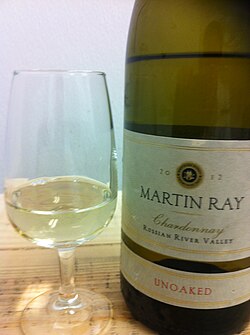
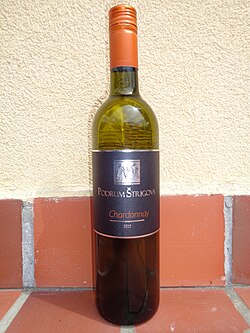
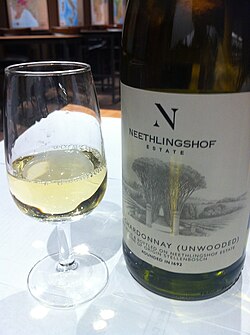
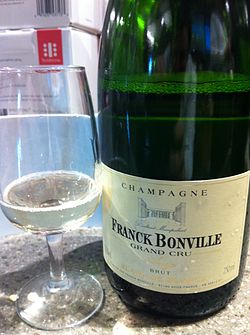
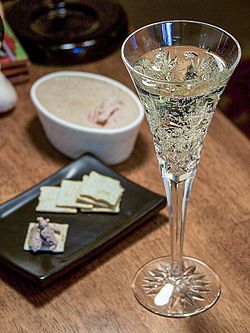
While oak barrels are traditional for adding body and flavor, many producers now offer unoaked versions for a fresher profile. Chardonnay is also a primary component in sparkling wines, such as the Blanc de Blancs (white from whites) style of Champagne.
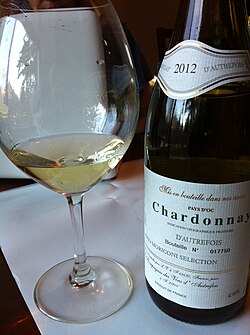

| Climate Type | Primary Flavor Profile | Typical Texture/Acidity |
|---|---|---|
| Cool | Lean, crisp | High acidity |
| Medium/Warm | Honey, tropical fruit | Fuller body, softer acidity |
Frequently Asked Questions
What is the difference between Chardonnay and Pinot Blanc?
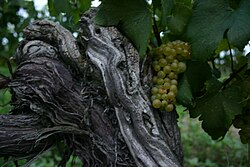
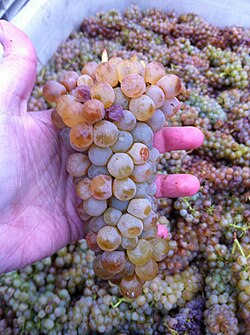
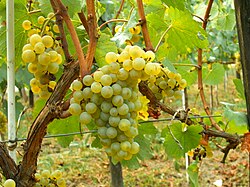
While they can look similar, Chardonnay grapes typically turn a more golden-yellow color as they approach harvest. Historically, they were often confused or interplanted, particularly in Italy, but they are distinct varieties with different flavor profiles.
What are "Dijon clones"?
Dijon clones are specific clonal varieties of Chardonnay developed at the University of Burgundy. They are bred for different attributes, such as higher yields, more intense aromas, or better adaptation to specific terroirs.
What does "Blanc de Blancs" mean?
In the context of Champagne, Blanc de Blancs refers to a sparkling wine made exclusively from white grapes, most commonly 100% Chardonnay.
What is millerandage?
Millerandage, also called "hens and chicks," is a viticultural hazard where berries in a cluster develop unevenly, resulting in a mix of normal-sized berries and tiny, seedless ones.
Why is some Chardonnay described as "buttery"?
The buttery flavor often comes from malolactic fermentation and the use of new oak barrels, which add richness and body to the wine's mouthfeel.