Caxias do Sul: A Hub of Italian Heritage and Industrial Power in Brazil
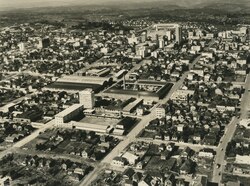
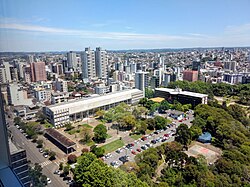
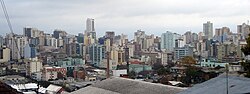
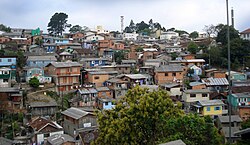
Nestled in the highlands of the Serra Gaúcha region, Caxias do Sul stands as one of Brazil's most significant urban centers. Known for its deep Italian roots and a powerhouse economy, this municipality blends a rich colonial history with a modern industrial landscape. From the rolling vineyards of its rural outskirts to the dense urbanization of its city center, Caxias do Sul is a testament to the resilience and productivity of the Caxiense people.
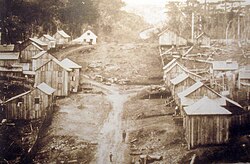
Founded on June 20, 1890, and elevated to city status on June 1, 1910, the city has evolved from a small settlement of immigrants into the second most populous and second wealthiest municipality in the state of Rio Grande do Sul.
Key Facts
- Population: 463,501 (2022 Census), with an estimate of 479,599 by 2025.
- Economic Rank: 2nd highest GDP in Rio Grande do Sul and 37th in Brazil.
- Geography: Located at an elevation of 817 meters in the South region of Brazil.
- Cultural Identity: Strong Italian influence, with Talian recognized as a second official language.
- Climate: Oceanic (Cfb), characterized by significant rainfall and occasional snow.
Geography and Environment
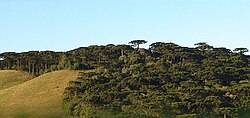
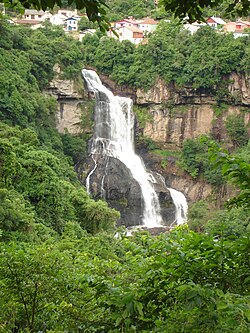
Caxias do Sul covers a total area of 1,652.308 km², with a concentrated urban core of approximately 65.5 km². The landscape is defined by the rugged terrain of the Serra Gaúcha, featuring lush Araucaria forests and scenic water bodies like the Véu da Noiva Waterfall in Galópolis.
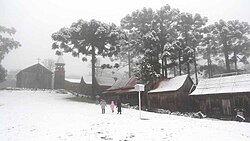
The environment is subject to an Oceanic climate (Cfb), which brings an average annual precipitation of 1,802.7 mm. While summers are mild, winters can be harsh; record lows have reached -6.4°C, and snow occasionally blankets the city, as seen in the Festa da Uva Exhibition Park.
Economy and Infrastructure
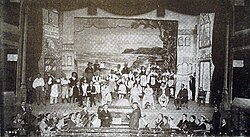
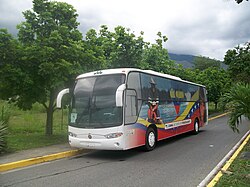
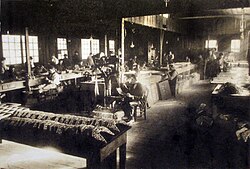
The city is a titan of industry and agriculture. With a GDP of R$25,965,161.31 (2020), it ranks as a primary economic driver for the state. The industrial sector is particularly strong in metallurgy and automotive components, exemplified by the Abramo Eberle Metalworks and the global presence of Marcopolo buses.
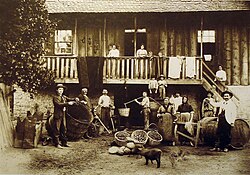
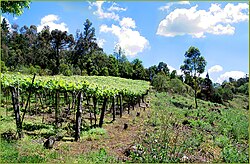
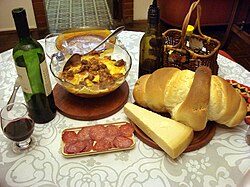
Agriculture remains a cornerstone of the local identity, specifically viticulture (grape growing) and fruit production. The rural areas are dotted with colonial wineries and traditional farms, which are now central to the city's tourism through routes like the Caminhos da Colônia.
Urban Services and Public Safety
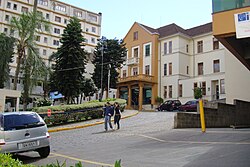
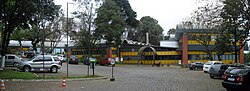
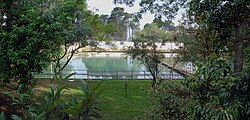
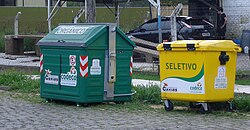
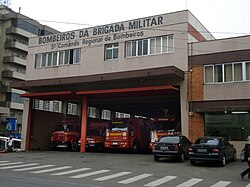
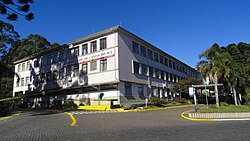
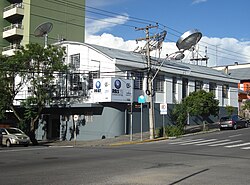
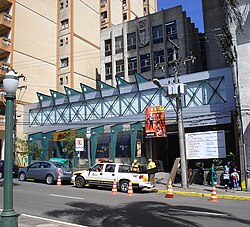
The municipality maintains a comprehensive infrastructure, including the Lourdes neighborhood water treatment station and a network of waste sorting bins to manage urban growth. Public safety and health are managed through institutions such as the 5th Regional Fire Department, the Caxias do Sul Police Station, and the Our Lady of Pompeii Hospital.
Culture and Traditions
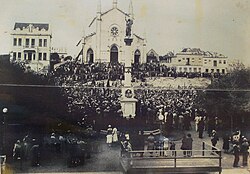
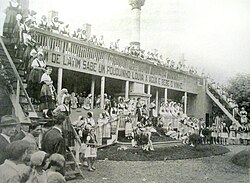
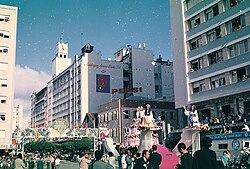
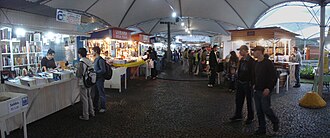
The identity of Caxias do Sul is inextricably linked to Italian immigration. This heritage is celebrated most prominently during the Festa da Uva (Grape Festival), a massive event that showcases the region's agricultural success and cultural pride. The festival is so significant that it hosted Brazil's first live color television broadcast in 1972.
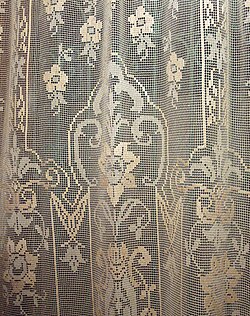
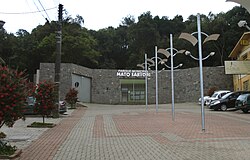
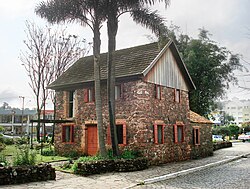
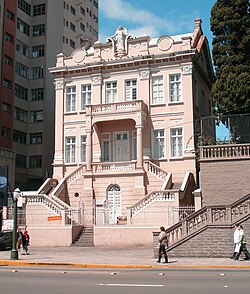
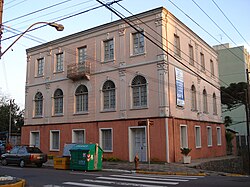
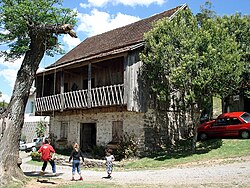
Beyond the festival, the city preserves its history through the Museu Ambiência Casa de Pedra and the House of Culture. Local handicrafts, such as the intricate "filé" lace curtains, continue to be produced, keeping ancestral skills alive.
Education and Sports
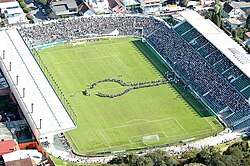
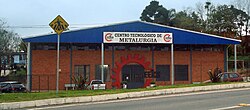
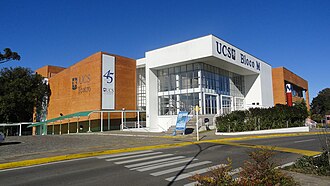
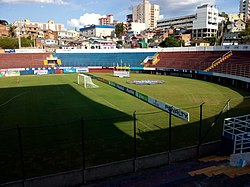
The University of Caxias do Sul (UCS) serves as a hub for science and technology, featuring a specialized Metallurgy Technology Center. In the realm of sports, the city is a football stronghold, home to the Alfredo Jaconi and Centenário stadiums, and has produced world-class figures like football coach Tite.
City Overview Summary
| Category | Detail |
|---|---|
| State/Region | Rio Grande do Sul / Serra Gaúcha |
| Elevation | 817 m |
| GDP per Capita (2020) | R$50,178.98 |
| HDI (2010) | 0.782 |
| Official Languages | Portuguese and Talian |
| Main Industry | Metallurgy, Automotive, Viticulture |
Frequently Asked Questions

What is the Festa da Uva?
The Festa da Uva, or Grape Festival, is the city's most famous cultural event, celebrating the Italian heritage and the grape harvest that fueled the region's early development.
What is Talian?
Talian is a dialect derived from various Italian languages brought by immigrants to the region. It is officially recognized as a second language in Caxias do Sul to preserve the city's cultural roots.
Is Caxias do Sul an industrial city?
Yes, it is one of Brazil's leading industrial hubs, particularly renowned for its metallurgy and the production of buses and automotive parts.
What is the weather like in Caxias do Sul?
The city has an oceanic climate with four distinct seasons. It is known for being significantly cooler than most of Brazil, with cold winters that occasionally bring snow.
Which famous people are from Caxias do Sul?
The city has produced several notable athletes and coaches, most notably Tite, the former manager of the Brazil national football team.