South Region of Brazil: A Hub of Culture, Industry, and Agriculture
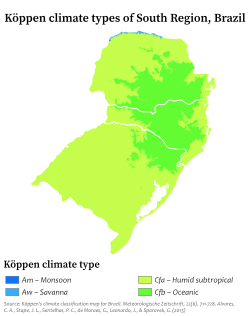
The South Region of Brazil is a distinct territory comprising the states of Paraná, Rio Grande do Sul, and Santa Catarina. While it is the smallest of Brazil's five regions—occupying only 6.76% of the national territory with an area of 576,409.6 square kilometers—it punches far above its weight in terms of economic productivity and social development.
Characterized by a high standard of living and a unique cultural blend, the region is a powerhouse of both traditional agriculture and modern industry. From the urban planning of its major cities to the rolling vineyards of the highlands, the South represents a vital pillar of the Brazilian nation.
Key Facts
- States: Paraná, Rio Grande do Sul, and Santa Catarina.
- Largest City: Curitiba.
- Population: Approximately 29.9 million (2022).
- HDI: Ranked 1st in Brazil (0.798 in 2017).
- Literacy Rate: 98.3%, the highest in the country.
- Urbanization: 82% of the population lives in urban areas.
Historical Foundations and Immigration
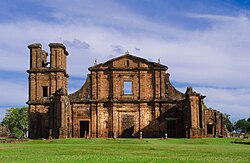
The history of the South Region is defined by waves of immigration that shaped its current demographic and cultural landscape. Early Portuguese colonization saw the arrival of approximately 6,000 settlers from the Azores Islands between 1748 and 1756, who became a cornerstone of the population in Rio Grande do Sul and Santa Catarina.
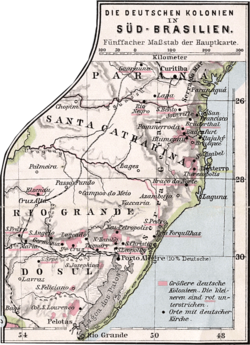
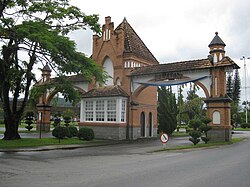
Following Brazil's independence in 1822, the government recruited German immigrants to work as small farmers. Starting in 1824 in São Leopoldo, thousands of Germans settled in the region, with an estimated 50,000 residing in Rio Grande do Sul by 1904.
The Ragamuffin War
The region was also the site of the Ragamuffin War (1835–1845), a Republican uprising in Rio Grande do Sul and Santa Catarina. Driven by economic grievances—specifically high taxes on charque (dried and salted beef) compared to cheaper imports from Uruguay and Argentina—rebels led by Bento Gonçalves da Silva and Antônio de Souza Netto, with support from Italian revolutionary Giuseppe Garibaldi, fought against imperial forces for a decade.
Italian and Polish Influence
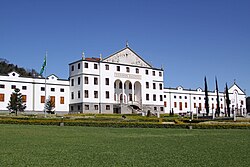
Beginning in 1875, Italian immigrants, primarily from the Veneto, Trentino, and Lombardia regions, arrived seeking land and economic opportunity. Many settled in the Serra Gaúcha, where they established a thriving grape-growing culture. By 1898, there were 300,000 people of Italian origin in Rio Grande do Sul alone. Today, descendants of Italian immigrants make up approximately 35.9% of the region's population.
Geography and Demographics
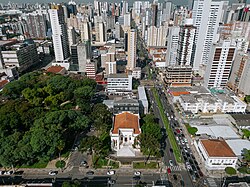
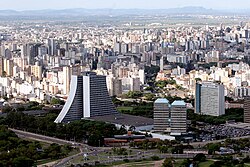
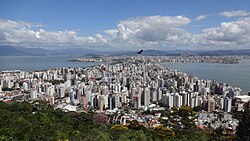
The South is highly urbanized, with cities like Curitiba and Maringá gaining international recognition for their sophisticated urban planning. The region boasts the highest Human Development Index (HDI) in Brazil and a life expectancy of 77.2 years.
The racial composition of the region is predominantly White (82.6%), followed by Mixed (11.7%), Black (5.0%), East Asian (0.4%), and Indigenous (0.3%) populations.
| City | State | Population |
|---|---|---|
| Curitiba | Paraná | 1,773,718 |
| Porto Alegre | Rio Grande do Sul | 1,332,845 |
| Joinville | Santa Catarina | 616,317 |
| Londrina | Paraná | 555,965 |
| Florianópolis | Santa Catarina | 537,211 |
Economic Powerhouse: Agriculture and Livestock
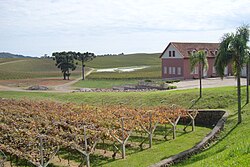
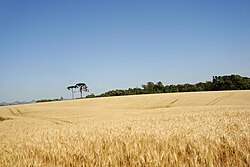
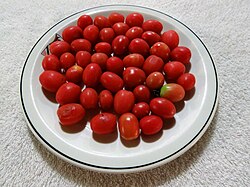
The South Region is a critical agricultural hub, dominating the production of several key crops. It produces nearly all of Brazil's wheat, oats, and yerba mate, and is the primary producer of grapes and apples in the country.
Livestock Leadership
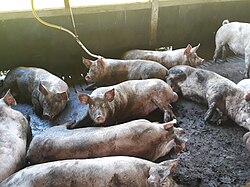
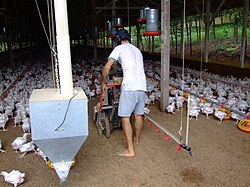
The region is a global leader in animal protein. Santa Catarina is Brazil's largest pork producer, accounting for 28.38% of national slaughter and 40.28% of exports. Poultry farming is equally strong, with the South responsible for 46.9% of Brazil's total production in 2018, led by Paraná.
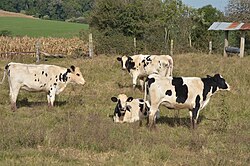
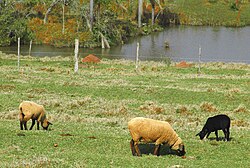
In the dairy sector, the South has led national milk production since 2015, achieving the highest productivity per cow (3,284 liters per year). Additionally, the region produces 99% of Brazil's wool, with Rio Grande do Sul contributing 94.1% of that total.
Industrial Diversity and Energy
The industrial landscape of the South is diverse, ranging from heavy metallurgy to high-tech electronics.
Textiles and Footwear
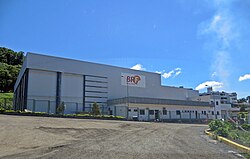
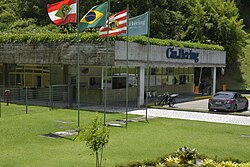
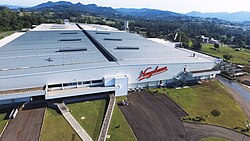
Santa Catarina is a Latin American leader in textile production, particularly in pillows and woven labels, with famous brands like Hering and Malwee. The footwear industry is also prominent, with Rio Grande do Sul serving as the state's primary exporter of shoes to markets in the US, Argentina, and France.
Technology and Metallurgy
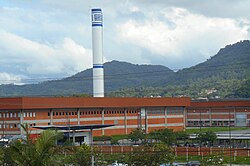
Curitiba hosts a significant technology center, including the Tecnoparque, which houses companies like Siemens and Positivo Informática. In metallurgy, the region is home to Tramontina, Marcopolo, and Randon.
Pulp, Paper, and Mining
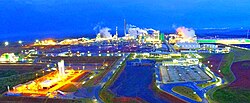
Paraná leads the nation in roundwood production for the pulp and paper industry, with the city of Telêmaco Borba being a primary producer. The region also engages in significant mining, particularly for gemstones like amethyst in Rio Grande do Sul.


Frequently Asked Questions
Which state in the South Region is the largest producer of pork?
Santa Catarina is the largest producer of pork in Brazil, responsible for 28.38% of the country's slaughter and 40.28% of its pork exports.
What was the cause of the Ragamuffin War?
The war was triggered by economic disputes over charque (salted beef). Local producers in Rio Grande do Sul faced high internal taxes while competing with tax-free imports from Uruguay and Argentina.
How did European immigration influence the region?
German and Italian immigrants were recruited as small farmers. Germans settled largely in Rio Grande do Sul starting in 1824, while Italians arrived later (1875), significantly influencing the region's agriculture, particularly viticulture in the Serra Gaúcha.
Why is the South Region significant for Brazil's dairy industry?
The South has led Brazil's milk production since 2015 due to high productivity, averaging 3,284 liters per cow per year, with Paraná being a top national producer.
What are the main industrial strengths of Santa Catarina?
Santa Catarina is a powerhouse in the textile and clothing industry, leading Latin America in pillow manufacture and being a top global producer of woven labels.