Bahia: A Comprehensive Overview of Brazil's Vibrant Northeastern State
Located in the Northeast region of Brazil, Bahia is a state defined by its rich cultural heritage, diverse geography, and significant economic contributions. With its capital, Salvador, serving as a major urban hub, Bahia blends colonial history with modern industrial growth. The state's motto, "Per ardua surgo" (Latin for "I rise through the hardship"), reflects a resilient spirit that permeates its social and political landscape.
From the sprawling coastlines to the rugged interior, Bahia is one of Brazil's most populous and geographically expansive states, ranking 5th in total area and 4th in population.

Key Facts
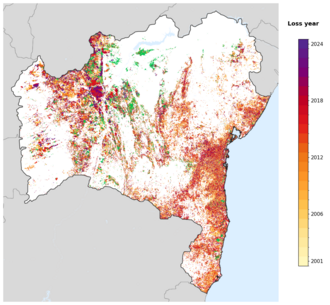
- Capital: Salvador (the largest city in the state).
- Population: Approximately 14,870,907 (2025 estimate).
- Total Area: 565,733 km².
- GDP: R$ 352.618 billion (US$ 65.411 billion).
- HDI: 0.759 (High category, ranked 23rd).
- Government: Unitary state led by Governor Jerônimo Rodrigues.
Geography and Natural Landmarks
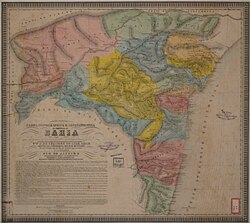
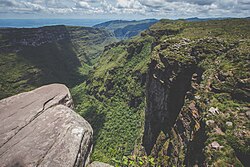
Bahia's landscape is incredibly varied, ranging from the Atlantic coastline to the highlands of the interior. One of its most famous natural treasures is the Chapada Diamantina, a region known for its stunning plateaus, canyons, and unique biodiversity.
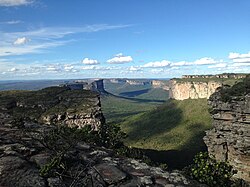
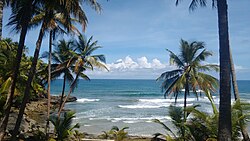
The state's topography includes the Vale do Capão, where dramatic canyons carve through the earth, and the coastal regions of Itacaré, renowned for their pristine beaches.
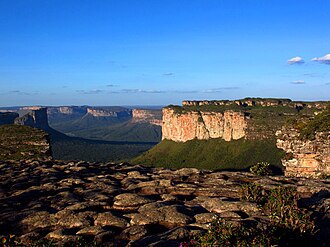
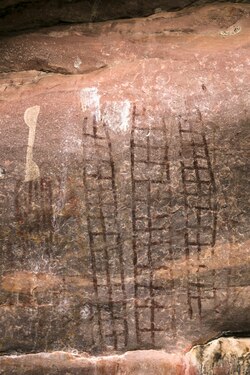
Beyond its natural beauty, the region holds historical significance, as evidenced by ancient pictographs found within the Chapada Diamantina National Park.
Culture and Society
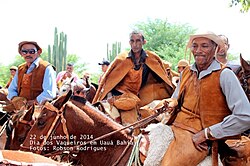
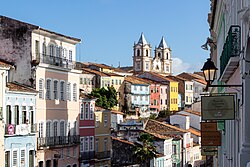
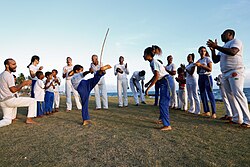
Bahia is a cornerstone of Brazilian culture. The capital, Salvador, is famous for its colonial Portuguese architecture, particularly in the Pelourinho district, and the rhythmic art of Capoeira—a martial art that combines dance and acrobatics.
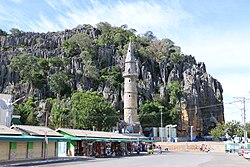
Religion plays a central role in Bahian life. While Catholicism is the predominant faith (65.2%), the state is also home to significant Protestant (17.4%) and Spiritist (1.10%) communities. A prime example of the state's religious devotion is the sanctuary of Bom Jesus da Lapa, which attracts nearly three million pilgrims every year.
The state's culinary identity is equally strong, with Acarajé (a deep-fried ball of black-eyed pea dough) serving as a primary symbol of Bahian cuisine.
Economy and Infrastructure
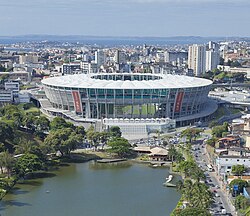
Bahia possesses a diversified economy rooted in agriculture, mining, and industry. It is a powerhouse in the production of several key commodities.
Agricultural Leadership
Bahia is a dominant force in the Northeast's agricultural sector. It is the largest producer of soy (5.3 million tons in 2019) and maize (2.2 million tons in 2018) in the Northeast region. The state also leads the country in mango production, with Juazeiro and Casa Nova being top-producing cities.
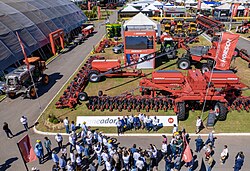
Other significant crops include sugarcane, beans, cassava, and melons. Additionally, Bahia holds a substantial portion of Brazil's livestock, concentrating 30.9% of the national goat herd and 20.9% of the sheep herd.
Industry and Mining
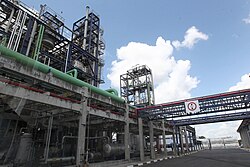
The industrial sector is anchored by the Camaçari Petrochemical Complex and the automotive industry. Historically, the Ford factory in Camaçari was a major contributor to the state's GDP. In terms of mining, Bahia ranks 4th nationally, producing gold, copper, chrome, and vanadium.
Infrastructure and Transport
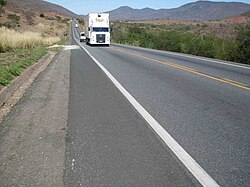
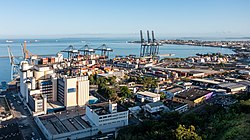
Connectivity is maintained through a network of highways, such as the BR-101, and the strategic Port of Salvador, which facilitates international trade.
Demographics and Urban Centers
The population of Bahia has grown steadily from roughly 1.45 million in the 1870s to over 14 million today. The majority of the population is concentrated in urban centers, with Salvador being the most populous.
| Rank | City | Population | Mesoregion |
|---|---|---|---|
| 1 | Salvador | 2,902,927 | Salvador |
| 2 | Feira de Santana | 612,000 | Centro-Norte |
| 3 | Vitória da Conquista | 340,199 | Centro-Sul |
| 4 | Camaçari | 281,413 | Salvador |
| 5 | Itabuna | 218,925 | Sul |
Politics and Public Safety
Politically, Bahia has seen a shift in leadership. After 1985, power oscillated between the PFL (now Democrats) and the MDB. However, since 2007, the Workers' Party (PT) has held the governorship through five consecutive elections.
Despite its economic strengths, the state faces significant challenges regarding public safety. Bahia has historically struggled with high crime rates, particularly gun violence, ranking among the most violent states in Brazil during the early 21st century.
Frequently Asked Questions
What is the capital of Bahia?
The capital and largest city of Bahia is Salvador.
Which agricultural products is Bahia most famous for?
Bahia is a leading producer of soy, maize, and mangoes, and it is a major contributor to the production of sugarcane, beans, and cassava in Brazil.
What is the significance of the Chapada Diamantina?
Chapada Diamantina is a National Park known for its breathtaking plateaus, canyons, and ancient pictographs, making it a primary destination for tourism and nature conservation.
What is the primary religion in Bahia?
Catholicism is the most practiced religion, followed by Protestantism and Spiritism.
Who currently governs the state of Bahia?
The state is currently governed by Jerônimo Rodrigues of the Workers' Party (PT).