Porto Alegre: The Vibrant Capital of Rio Grande do Sul
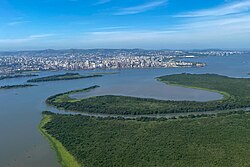
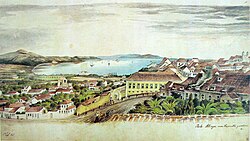
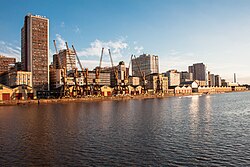
Perched on the banks of the Guaíba Lake, Porto Alegre serves as the dynamic capital of the state of Rio Grande do Sul in Southern Brazil. Founded on March 26, 1772, this historic city has evolved from a colonial settlement into a major metropolitan hub, blending a rich cultural heritage with modern urban development. Known for its spirited population and the distinct traditions of the gaúcho (the traditional cattle-herders of the southern plains), Porto Alegre is a center of politics, education, and commerce in South America.
Key Facts
- Founded: March 26, 1772.
- Population: Approximately 1,388,794 in the municipality and over 4.1 million in the metropolitan area.
- GDP: $77.7 billion (PPP, constant 2015 values, 2023).
- HDI: 0.805 (Very High).
- Geography: Located at an elevation of 10 meters, bordering the Guaíba Lake basin.
- Motto: "Leal e Valorosa Cidade de Porto Alegre" (Loyal and Valiant City of Porto Alegre).
Geography and Climate
Porto Alegre is situated in the South region of Brazil, characterized by its proximity to water and a varied landscape. The city's climate is humid subtropical, featuring distinct seasonal changes. Summers are typically hot, with record highs reaching 40.3°C, while winters can be quite chilly, with record lows dipping to −1.9°C.
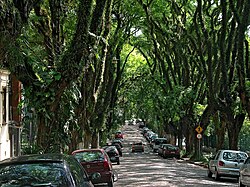
Precipitation is distributed throughout the year, with an annual average of 1,498.2 mm. The wettest months typically occur during the winter and spring, providing the necessary hydration for the city's lush urban vegetation, including the iconic Tipuana trees.
Urban Development and Infrastructure
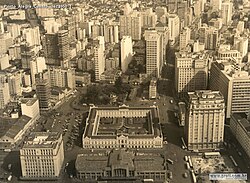
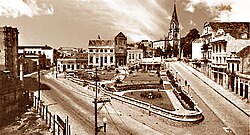
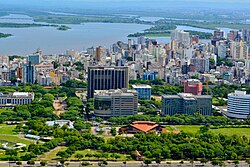
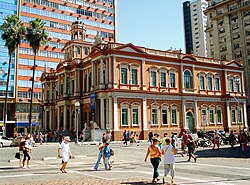
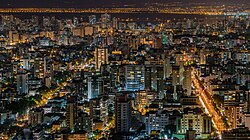
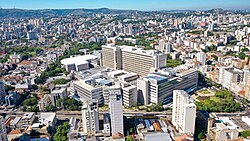
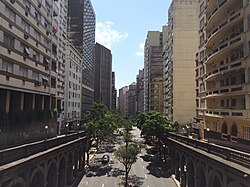
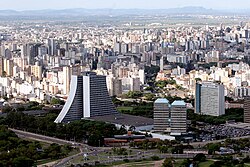
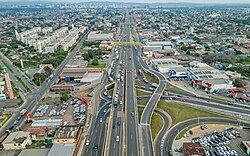
The city has seen explosive growth over the last two centuries, growing from a small village of 6,000 people in 1800 to a sprawling metropolis. The urban layout is a mix of historic architecture and contemporary skyscrapers, with the downtown area serving as the administrative heart.
Transportation
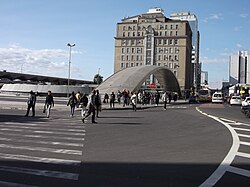
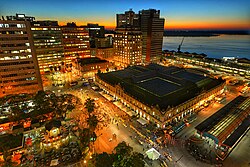
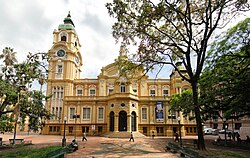
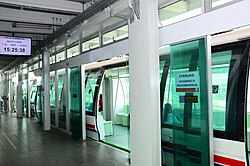
Porto Alegre is well-connected via several modes of transport. The Salgado Filho International Airport handles air traffic, while the Port of Porto Alegre facilitates maritime trade. For internal transit, the city utilizes a comprehensive bus system and a metro system, including the Mercado station located conveniently in front of the Public Market.
Education and Health
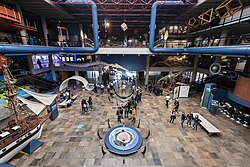
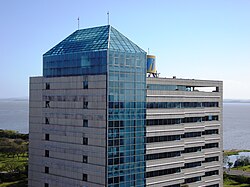
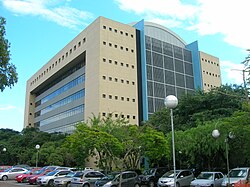
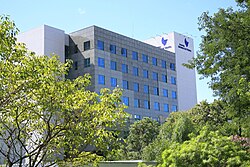
The city is a regional leader in healthcare and academia. The Moinhos de Vento Hospital is recognized by the Ministry of Health as one of the five excellent hospitals in Brazil and the only one in the Southern region. Additionally, the Pontifical Catholic University of Rio Grande do Sul (PUCRS) contributes significantly to the city's intellectual landscape through its IT school and Museum of Science and Technology.
Culture and Tourism
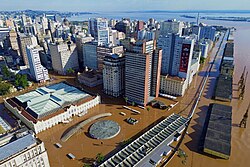
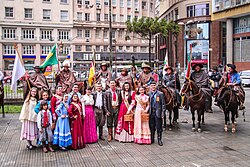
Porto Alegre is a city of arts and traditions. The culture is heavily influenced by the gaúcho identity, which is celebrated during events like the Farroupilha Parade. Visitors can explore a variety of museums, including the Rio Grande do Sul Museum of Art (MARGS) and the Iberê Camargo Foundation.
Parks and Recreation
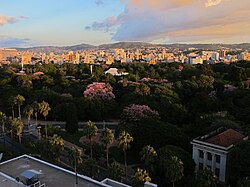
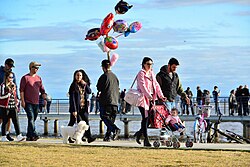
Green spaces are integral to the city's appeal. Farroupilha Park (also known as Redenção) is a favorite for locals, offering water mirrors and vast vegetation. Other landmarks include the Gasometer Plant and the Mario Quintana House of Culture.
Sports and Nightlife
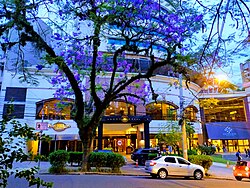
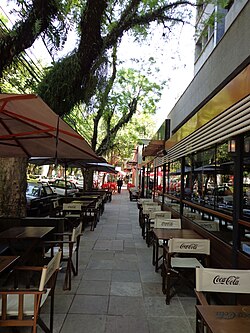
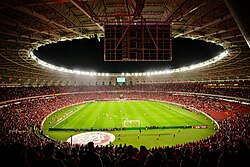
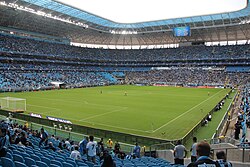
Football is a passion in Porto Alegre, home to two major rivals: Sport Club Internacional, playing at the Estádio Beira-Rio, and Grêmio Foot-Ball Porto Alegrense, playing at the Arena do Grêmio. For those seeking entertainment, the Moinhos de Vento neighborhood is renowned for its vibrant social scene, featuring luxury stores, cafés, and nightclubs.
City Overview Summary
| Category | Details |
|---|---|
| State | Rio Grande do Sul |
| Municipality Area | 496.827 km² |
| Demographics | 73.6% White, 13.4% Pardo, 12.6% Black, 0.2% Amerindian, 0.2% Asian |
| Time Zone | UTC-3 |
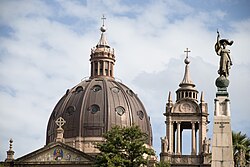
| Key Landmarks | Public Market, Metropolitan Cathedral, Piratini Palace |
Frequently Asked Questions
What is the typical weather in Porto Alegre?
Porto Alegre has a subtropical climate with hot summers and cool winters. Average daily maximums range from around 19.7°C in July to 31.0°C in January, with significant rainfall throughout the year.
What are the most important sports teams in the city?
The city is famous for its intense football rivalry between Sport Club Internacional and Grêmio Foot-Ball Porto Alegrense.
Which neighborhood is best for nightlife and shopping?
The Moinhos de Vento neighborhood is the primary destination for those seeking luxury stores, bars, cafés, and a vibrant social atmosphere.
How is the city's healthcare rated?
Porto Alegre is a national reference in health, featuring the Moinhos de Vento Hospital, which is one of only five hospitals recognized for excellence by the Brazilian Ministry of Health.
What is the significance of the gaúcho culture?
The gaúcho culture represents the traditional livestock-herding identity of the southern plains, characterized by specific clothing and traditions celebrated during local parades and festivals.