Carl Linnaeus: The Father of Modern Taxonomy
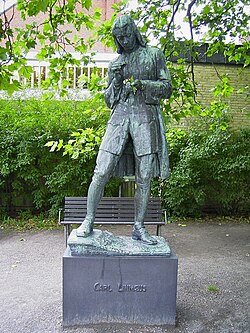
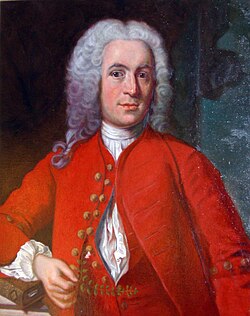
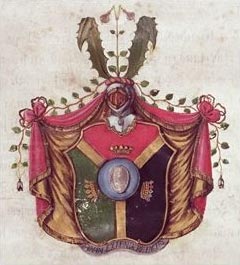
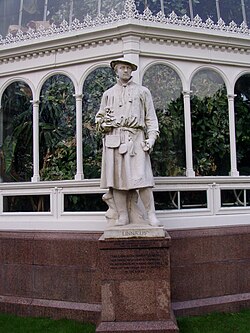
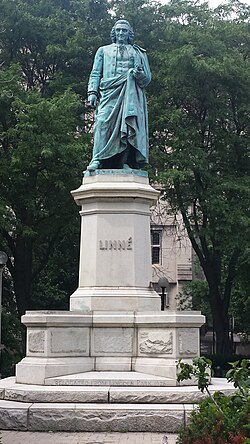
Carl Linnaeus (1707–1778), later ennobled as Carl von Linné, was a Swedish biologist and physician who fundamentally changed how humanity perceives and organizes the natural world. By formalizing binomial nomenclature—the modern system of assigning every organism a two-part Latin name—he provided a universal language for scientists across the globe. Known as the "father of modern taxonomy," Linnaeus transformed biology from a chaotic collection of local names into a structured, scientific discipline.
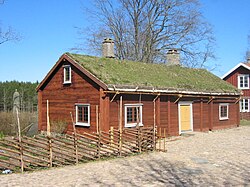
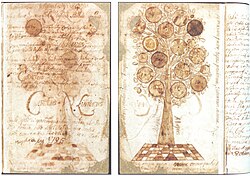
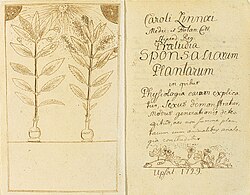
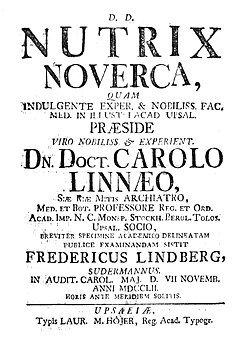
Born in Råshult, Småland, Linnaeus was the son of a curate. His lifelong passion for nature began in the Swedish countryside, leading him to pursue higher education at Lund University and later Uppsala University. His early intellectual curiosity is evident in his early manuscripts, where he began documenting the flora of his surroundings.
Key Facts
- Primary Contribution: Formalized binomial nomenclature and the Linnaean system of taxonomy.
- Major Works: Systema Naturae (1735) and Species Plantarum (1753).
- Academic Career: Professor of medicine and botany at Uppsala University.
- Honors: First civilian in Sweden to be knighted in the Order of the Polar Star.
- Legacy: Established the starting point for modern botanical nomenclature.
Academic Journey and Early Expeditions
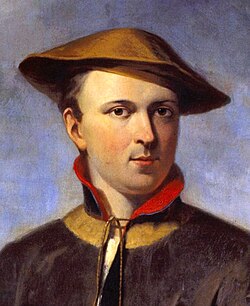
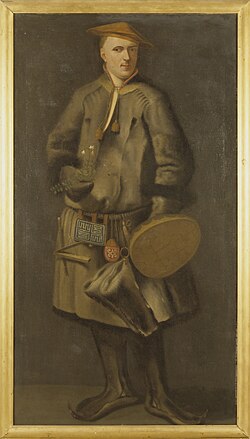
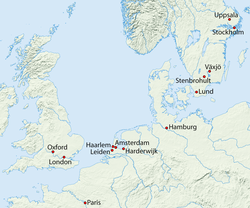
Linnaeus's academic path took him through several prestigious institutions, including the University of Harderwijk. In 1730, he began lecturing in botany at Uppsala University. One of his most formative early experiences was an expedition to Lapland, where he studied the unique flora and fauna of the north, often wearing the traditional dress of the Sami people.
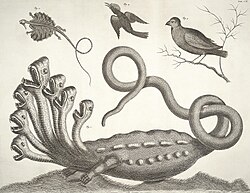
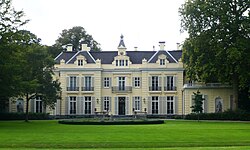
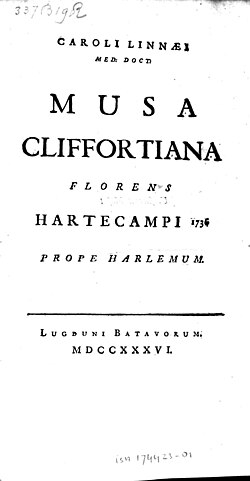
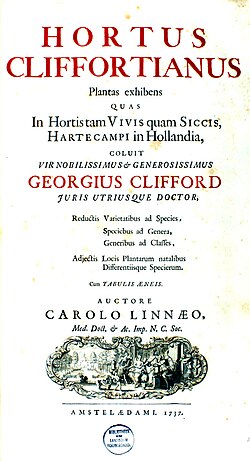
Between 1735 and 1738, Linnaeus lived in the Dutch Republic. This period was pivotal, as he studied under various experts and published the first edition of Systema Naturae. During his time in the Netherlands, he worked at Hartekamp and collaborated with figures like George Clifford III, leading to the publication of the Hortus Cliffortianus.
The Architecture of Nature: Major Publications
Linnaeus's work was characterized by a drive to categorize every living thing. His most influential publications served as the blueprints for biological classification.
Systema Naturae
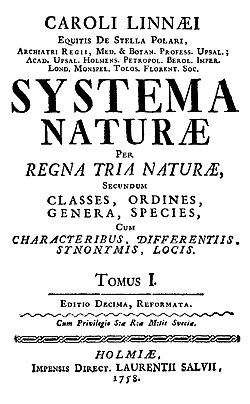
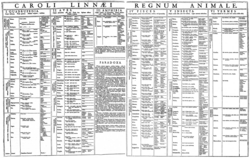
First published in 1735 as a brief twelve-page work, Systema Naturae grew exponentially through subsequent editions. By the 10th edition in 1758, it classified 4,400 animal species and 7,700 plant species. To manage this massive influx of data from global contributors, Linnaeus invented the index card.
Species Plantarum
Published in 1753, Species Plantarum is internationally recognized as the starting point of modern botanical nomenclature. Spanning 1,200 pages across two volumes, it described over 7,300 species. This work solidified his reputation, leading the Swedish king to name him a knight of the Order of the Polar Star.
Philosophia Botanica
In 1751, Linnaeus released Philosophia Botanica, which summarized his theories on plant classification and nomenclature, expanding upon his earlier works Fundamenta Botanica and Critica Botanica.
Life at Uppsala and Hammarby
Upon returning to Sweden, Linnaeus became a professor at Uppsala University and eventually served as its rector. He developed the Linnaean Garden in Uppsala to facilitate his research. However, seeking a healthier environment away from the city's noise, he purchased the Hammarby and Sävja estates in 1758.
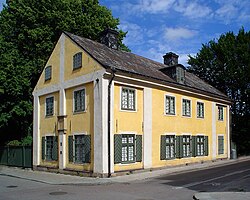
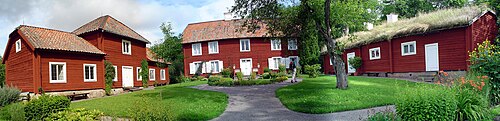
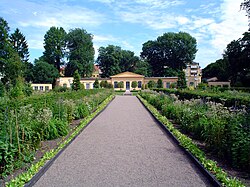
At Hammarby, he created a specialized garden for plants that could not survive in Uppsala and built a museum to house his extensive library and collections. This estate became his sanctuary and primary place of study in his later years.
The "Apostles" and Global Influence
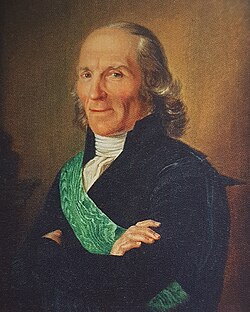
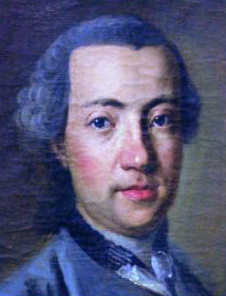
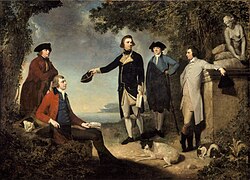
Linnaeus did not work alone; he dispatched a group of dedicated students, known as his "apostles," to the far corners of the world to collect specimens. These students, including Carl Peter Thunberg, Peter Forsskål, and Daniel Solander, expanded the reach of the Linnaean system to Japan, Australia, and beyond.
Final Years and Legacy
The latter part of Linnaeus's life was marked by declining health. He suffered from "Uppsala fever" in 1764, followed by sciatica in 1773. A series of strokes beginning in 1774 led to partial paralysis and memory loss; in his final years, he could read his own writings but no longer recognized himself as the author.
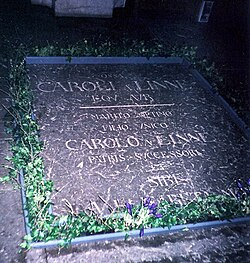
He passed away on January 10, 1778, at Hammarby. Although he wished to be buried at his estate, he was interred in Uppsala Cathedral.
![Detail from the sixth edition of Systema Naturae (1748) describing Ant[h]ropomorpha with a division between Homo and Simia](/images/64/aa/64aaf844bee4361e8d7306f52401431dc739df98b9d729d9557c65c6b725c9ad.png)
![Anthropomorpha, from the 1760 dissertation by C. E. Hoppius[176]1. Troglodyta Bontii, 2. Lucifer Aldrovandi, 3. Satyrus Tulpii, 4. Pygmaeus Edwardi](/images/04/30/0430657c8b516eae351dadcf7ec8aef5f257189583772335c77f10e094628341.png)
| Category | Details |
|---|---|
| Born | May 23, 1707 (Råshult, Sweden) |
| Died | January 10, 1778 (Hammarby, Sweden) |
| Education | Lund, Uppsala, and Harderwijk Universities |
| Key System | Binomial Nomenclature (Genus + Species) |
| Major Publications | Systema Naturae, Species Plantarum, Philosophia Botanica |
| Notable Honor | Knight of the Order of the Polar Star |
Frequently Asked Questions
What is binomial nomenclature?
Binomial nomenclature is the formal system of naming species of living things by giving each a name composed of two parts: the genus name and the specific epithet, both typically in Latin.
Why is Carl Linnaeus called the "father of modern taxonomy"?
He is given this title because he created a standardized, hierarchical system for classifying and naming organisms that is still the foundation of biological classification today.
What was the significance of Species Plantarum?
Published in 1753, this work is the internationally accepted starting point for modern botanical nomenclature, describing over 7,300 species.
Who were the "apostles" of Linnaeus?
The apostles were Linnaeus's students whom he sent on global expeditions to collect plant and animal specimens to be classified under his system.
Where is Carl Linnaeus buried?
Despite his personal preference to be buried at his Hammarby estate, he was buried in Uppsala Cathedral on January 22, 1778.