The Cane Toad: A Global Story of Success and Invasion
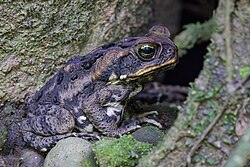
The cane toad (*Rhinella marina*) is one of the most recognizable and controversial amphibians in the world. Known for its impressive size and remarkable ability to thrive in diverse environments, this species has transitioned from its native habitats in the Americas to becoming a highly successful—and often problematic—introduced species across the Pacific and beyond.
While they are often viewed as pests in regions like Australia and Florida, their biological resilience and opportunistic nature make them a fascinating subject of scientific study. From their ancient evolutionary roots to their modern-day impact on ecosystems, the cane toad is a master of adaptation.
Key Facts
- Scientific Name: Rhinella marina
- Native Range: From South Texas through the central Amazon to southeastern Peru.
- Size: Typically 10–15 cm, with a maximum recorded length of 24 cm.
- Lifespan: 10–15 years in the wild; up to 35 years in captivity.
- Diet: Opportunistic feeders consuming both living and dead matter.
- Conservation Status: Listed as Least Concern by the IUCN.
Biological Profile and Taxonomy
The cane toad belongs to the family Bufonidae (true toads) and is considered the largest species within that family. Evolutionarily, the species has a long history; fossil specimens from the late Miocene in Colombia suggest that their preference for open habitats has existed for millions of years.
Physical Characteristics
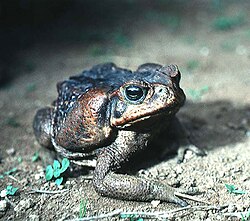
Adults exhibit significant sexual dimorphism, meaning males and females differ in appearance. Females are notably larger and longer than males. While most adults average between 10 and 15 cm, exceptional specimens have reached a snout-vent length of 24 cm. In areas where population density is lower, individuals tend to grow even larger.
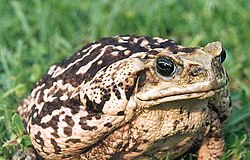
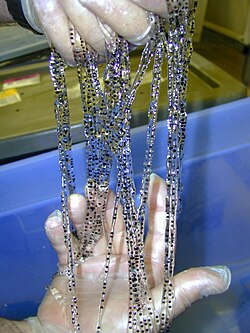
A defining feature of the cane toad is the presence of large parotoid glands located behind the eyes, which are used for defense. Their reproductive strategy is equally robust; females are prolific breeders, laying single-clump spawns that contain thousands of eggs.
Ecology and Behavior
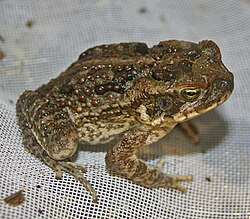
One of the primary reasons for the cane toad's success is its highly flexible diet. Unlike many other anurans (the scientific order for frogs and toads), which primarily hunt living prey, the cane toad is an opportunistic feeder. It will consume both living and dead organic matter, allowing it to survive in various environments.
Distribution and Density
In its native range—stretching from the Rio Grande Valley in South Texas to the central Amazon and parts of Venezuela—the cane toad exists in relatively low densities. For example, in South America, densities have been recorded at approximately 20 adults per 100 meters of shoreline. This is significantly lower than in introduced territories, such as Australia, where densities can be 1% to 2% higher than in their native lands.
The History of Introduction
The global spread of the cane toad was largely driven by human attempts at biological control—the use of a living organism to manage a pest population. However, these attempts yielded mixed results.
The Caribbean and the Pacific
In the early 20th century, the cane toad was introduced to Puerto Rico to combat white grub infestations in sugarcane plantations. This was deemed a success, as the toad population helped reduce the beetle/grub population and lowered labor costs. This perceived success led to further introductions in Hawaiʻi and the Philippines.
In Fiji, the toad was introduced in 1953 to combat sugarcane pests. While a 1963 study suggested the toad was "economically neutral" because it ate both beneficial and harmful invertebrates, the species has since become established on all major islands.
![R. marina in the Philippines are referred to as kamprag, a corruption of 'American frog'.[109]](/images/90/83/908310592abd854264f23c57c1ce60d922c9ae65f9e5bf317b5e243f0d31baa7.jpg)
The Australian Invasion
Perhaps the most famous introduction occurred in Australia. Following the perceived success in Puerto Rico, 102 toads were brought from Hawaiʻi to Queensland in 1935 to protect sugarcane crops. After a brief period of regulation, large-scale releases began in 1937, with 62,000 toadlets released into the wild. The population exploded, spreading through Queensland into the Northern Territory and New South Wales, eventually reaching Western Australia by 2010.
The United States (Florida)
In Florida, the toad's history is one of failed attempts followed by accidental success. After several unsuccessful deliberate introductions, the species gained a foothold following an accidental release at Miami International Airport in 1957. Today, they are well-established from the Keys to north of Tampa and are considered a threat to native species and pets.
Human Uses and Research
Beyond their role in ecosystems, cane toads have been utilized in various human endeavors:
- Medical Research: In the mid-20th century, they were used in pregnancy testing by injecting human urine into the toad's lymph sacs.
- Laboratory Animals: Due to being inexpensive and easy to maintain, they were widely used in biological experiments from the 1950s through the 1960s.
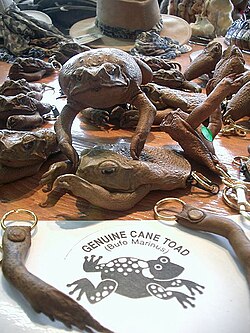
- Commercial Products: They have been used in the production of leather goods.
- Pets: Some are kept as exotic pets.
Summary of Cane Toad Data
| Feature | Details |
|---|---|
| Scientific Name | Rhinella marina |
| Order | Anura |
| Typical Size | 10–15 cm |
| Max Size | 24 cm |
| Native Habitat | The Americas (South Texas to Peru) |
| Primary Diet | Living and dead matter |
Frequently Asked Questions
How large can a cane toad grow?
While most adults are between 10 and 15 cm long, the largest recorded specimen reached a snout-vent length of 24 cm.
Why were cane toads introduced to other countries?
They were primarily introduced as a form of biological control to manage agricultural pests, such as beetles and white grubs, in sugarcane plantations.
Are cane toads dangerous to native wildlife?
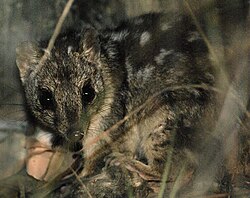
Yes, in many introduced regions, they are considered a threat to native species. For example, in Florida, they are regarded as a threat to native species and pets, and in Australia, they have been linked to decreases in certain animal populations like northern quolls.
What do cane toads eat?
They are opportunistic feeders with a diet that is unusual among frogs, as they consume both living and dead matter.
Can cane toads live a long time?
In the wild, they typically live between 10 and 15 years, but they can live significantly longer in captivity, with one specimen recorded to have lived for 35 years.
What is the predator-prey relationship between cane toads and other animals?
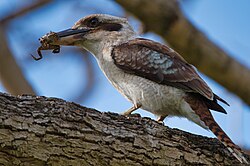
While they are predators, they are also prey. For example, the laughing kookaburra has been observed preying on juvenile cane toads.