Cambodia: A Journey Through the Kingdom of Wonder
The Kingdom of Cambodia, located in the heart of Southeast Asia, is a nation defined by its profound spiritual heritage, resilient people, and a history that spans from the grandeur of ancient empires to the challenges of the modern era. From the bustling streets of its capital, Phnom Penh, to the timeless stone spires of Angkor Wat, Cambodia offers a compelling blend of tradition and transformation.
Known for its deep devotion to Buddhism and its unique Khmer culture, the country is currently navigating a path of economic growth and political transition while honoring a complex past.
Key Facts
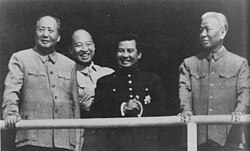
- Capital: Phnom Penh, the largest city and economic hub.
- Government: A unitary parliamentary constitutional elective monarchy.
- Official Language: Khmer.
- Official Religion: Buddhism (practiced by 96.5% of the population).
- Currency: The Cambodian Riel (KHR) and the United States Dollar (USD).
- Population: Approximately 17.6 million (2024 estimate).
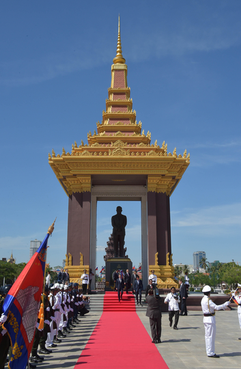
- Key Leaders: King Norodom Sihamoni and Prime Minister Hun Manet.
Geography and Natural Environment
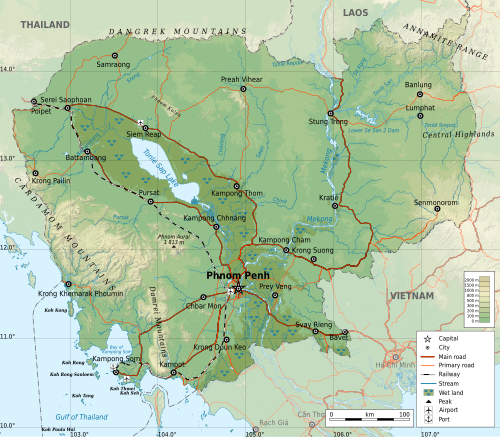
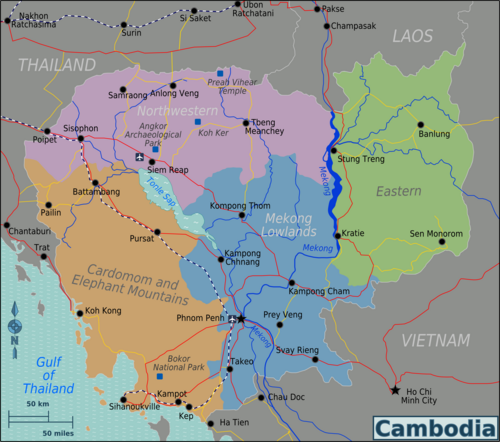
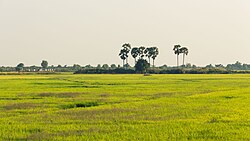
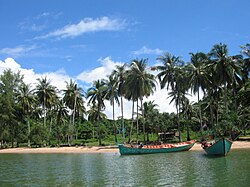
Cambodia occupies a strategic position in Southeast Asia, characterized by a diverse landscape that ranges from coastal plains to mountainous regions. The country's geography is heavily influenced by its water systems, with water making up 2.5% of its total area of 181,035 square kilometers.
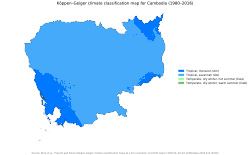
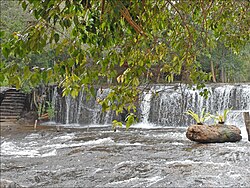
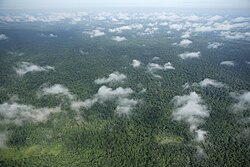
The climate is classified under the Köppen climate classification, typically featuring a tropical monsoon pattern with distinct wet and dry seasons. This environment supports rich biodiversity, including the vast Prey Lang Forest and the scenic waterfalls of Phnom Kulen.
Biodiversity and Wildlife
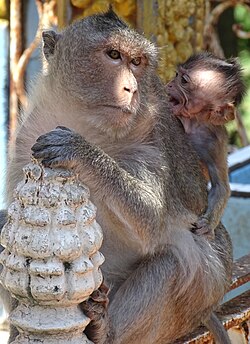
Cambodia's natural landscapes are home to various species, including macaques found in areas like Phnom Pros in Kampong Cham Province. Conservation efforts continue to protect these vital ecosystems from the pressures of development.
A Timeline of History
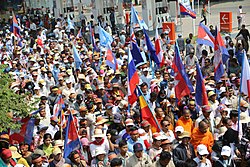
Cambodia's history is a saga of rise and fall, marked by the emergence of powerful early states and the enduring legacy of the Khmer Empire.
Ancient Empires and the Middle Period
The foundations of the nation were laid by early formations such as Funan (68–550) and Chenla (550–802). This culminated in the Khmer Empire (802–1431), a golden age of architecture and power that produced the world-renowned Angkor Wat. Following this peak, the country entered a "Middle Period" lasting until 1863.
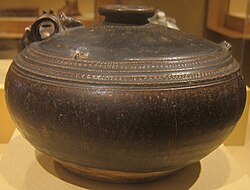
Colonialism and the Struggle for Independence
In 1863, Cambodia became a French protectorate. This era of colonial rule lasted until November 9, 1953, when the nation finally regained its independence. The mid-20th century was a period of volatility, transitioning from the Kingdom (1953–1970) to the Khmer Republic (1970–1975).
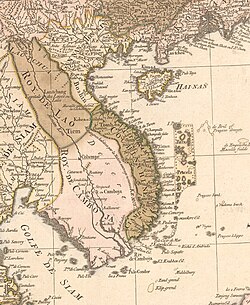
The Khmer Rouge and Recovery
One of the darkest chapters in human history occurred between 1975 and 1979 under the Khmer Rouge regime (Democratic Kampuchea). This period was marked by genocide, with mass graves at sites like Choeung Ek and the systematic detention of victims at Tuol Sleng.
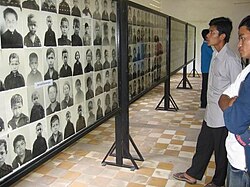
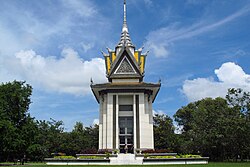
Following the Vietnamese occupation and a period of UN administration, the monarchy was restored on September 24, 1993, bringing the country into its current era of stability and reconstruction.
Politics and Governance
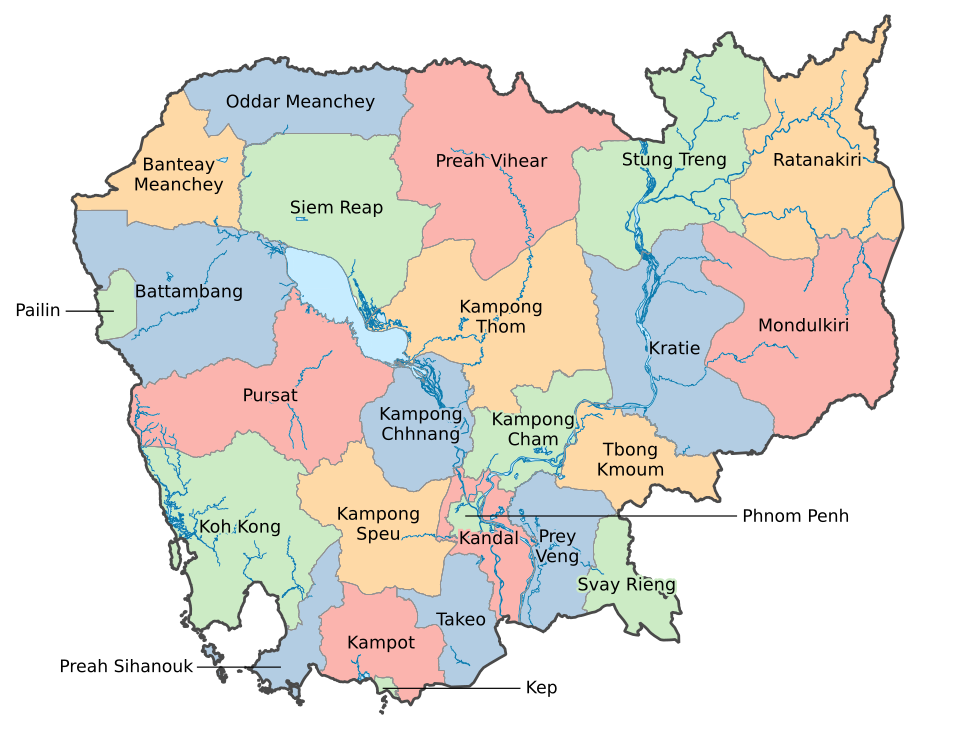
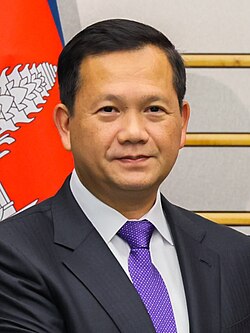
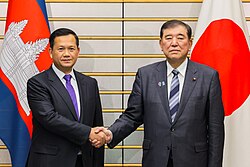
Cambodia operates as a unitary parliamentary constitutional elective monarchy. While King Norodom Sihamoni serves as the head of state, executive power is wielded by the Prime Minister. In August 2023, General Hun Manet succeeded his father, Hun Sen, as Prime Minister.
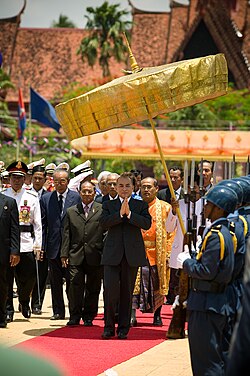
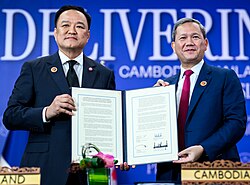
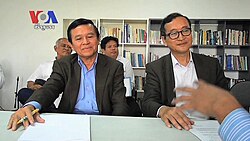
The political landscape has faced challenges, including censorship and tensions with opposition leaders such as Sam Rainsy and Kem Sokha. Despite these internal frictions, Cambodia maintains active foreign relations, recently signing the Kuala Lumpur Peace Accord in October 2025.
Economy and Infrastructure
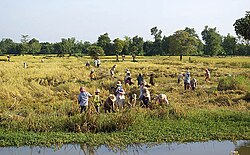
Cambodia's economy is characterized by a mix of traditional agriculture and rapidly growing industrial sectors. The garment industry is a primary driver of growth, with a focus on improving worker wages, safety, and the elimination of child labor.
Tourism and Trade
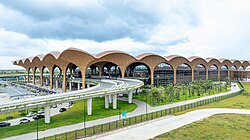
Tourism is a vital economic pillar, with nearly 2.6 million annual visitors flocking to Angkor Wat in Siem Reap. The government continues to invest in infrastructure to support this growth, including the completion of the Techo International Airport in September 2025.
![Every year, nearly 2.6 million[189] tourists visit Angkor Wat in Siem Reap, Cambodia.](/images/73/14/73147878ce87b46ffd5e2c2c5a4acf2b3d97b3da98b2d5596ac112bf0fead2ba.jpg)
Energy and Development
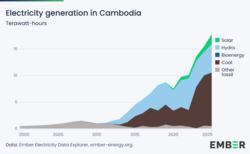
The nation is expanding its electricity generation capabilities to meet the demands of its growing population and industrial base, moving toward greater energy security.
Demographics and Culture
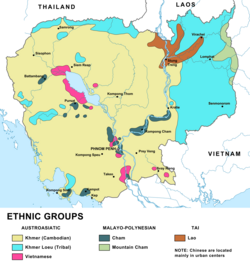
The Cambodian population is overwhelmingly Khmer (95.4%), with smaller minorities of Cham, Chinese, and other ethnic groups. The society is deeply rooted in Buddhist traditions, which influence everything from daily life to national holidays.
Education and Health
Efforts to modernize the workforce are evident in institutions like the Institute of Foreign Languages at the Royal University of Phnom Penh and the training of new medical professionals.

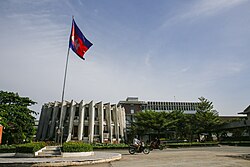
Arts and Traditions
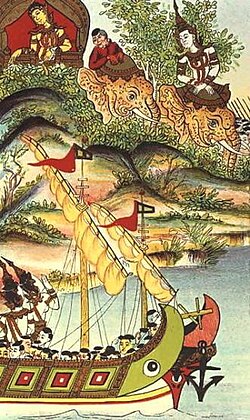
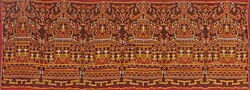
Cambodian culture is celebrated through its intricate dance, music, and traditional crafts, such as Silk Ikat Pidan temple hangings and ancient storytelling illustrations.
| Category | Detail |
|---|---|
| Total Area | 181,035 km² |
| Estimated Population (2024) | 17,638,801 |
| GDP (Nominal 2025 Est.) | US$52.379 billion |
| GDP per capita (Nominal 2025 Est.) | US$2,902 |
| HDI (2023) | 0.606 (Medium) |
| Official Religion | Buddhism |
Frequently Asked Questions
What is the official language of Cambodia?
The official language and script of Cambodia is Khmer.
Who is the current Prime Minister of Cambodia?
The current Prime Minister is Hun Manet, who took office in August 2023.
What is the significance of Angkor Wat?
Angkor Wat is a monumental temple complex from the Khmer Empire era and remains one of the world's most visited tourist destinations, attracting nearly 2.6 million visitors annually.
Which currencies are used in Cambodia?
Cambodia uses the Cambodian Riel (KHR) as its official currency, but the United States Dollar (USD) is also used extensively de facto.
What is the primary religion in Cambodia?
Buddhism is the official religion and is practiced by approximately 96.5% of the population.