Brunei Darussalam: A Legacy of Tradition and Prosperity
Nestled on the northern coast of the island of Borneo in Southeast Asia, Brunei Darussalam is a nation where deep-rooted Islamic traditions blend with immense modern wealth. Known for its lush rainforests and the opulent lifestyle of its monarchy, Brunei operates as a unitary Islamic absolute monarchy, guided by the motto "Always in service with God's guidance."
From its origins as a powerful maritime empire to its current status as one of the world's highest per capita GDP nations, Brunei's journey is one of resilience and strategic adaptation. The nation is centered around its capital, Bandar Seri Begawan, a city that serves as the political and economic heart of the sultanate.
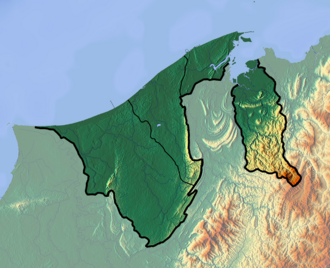
Key Facts
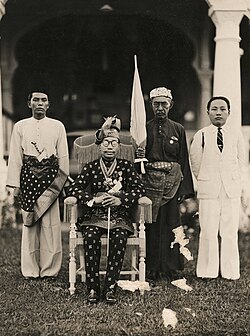
- Official Name: Negara Brunei Darussalam
- Government: Unitary Islamic absolute monarchy
- Head of State: Sultan Hassanal Bolkiah
- Official Language: Malay
- Official Religion: Sunni Islam
- Currency: Brunei dollar (BND)
- Economy: Driven largely by oil and gas reserves
- HDI: 0.837 (Very High)
Historical Evolution
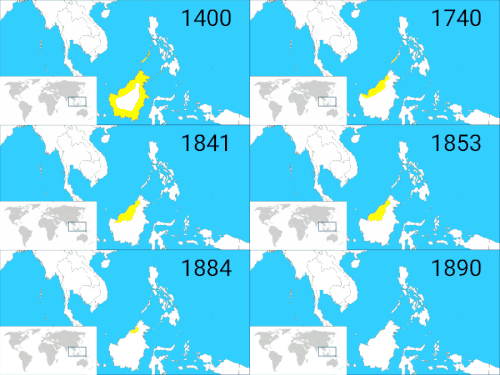
Early Sultanate and Decline
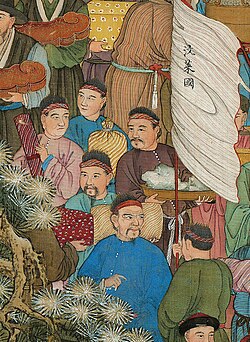
The Sultanate of Brunei was established around 1363 or 1368. In its early centuries, it was a dominant force in the region, maintaining diplomatic ties with major powers, including China. However, the empire faced a gradual decline due to conflicts, including wars with Spain, and the loss of territorial holdings over several centuries.
British Intervention and Protectorate Status
The 19th century marked a turning point with the arrival of British interests. James Brooke, a British adventurer, negotiated with the Sultan, leading to the Treaty of Labuan in 1846. By September 17, 1888, Brunei became a protectorate of the United Kingdom, which helped preserve the remaining territory from further absorption by neighboring entities.
World War II and the Path to Independence
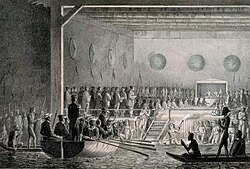
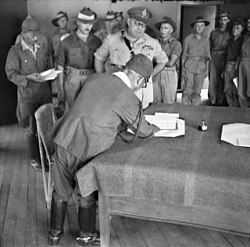
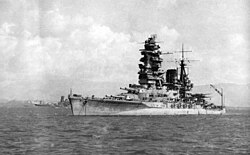
Brunei experienced a period of Japanese occupation from 1941 to 1945. Following the war, the nation moved toward self-governance. A constitution was adopted in 1959, establishing five key councils: the Executive, Legislative, Privy, Succession, and State Religious Councils. After a brief period of unrest known as the Brunei revolt in 1962, the nation eventually achieved full independence on January 1, 1984.
Geography and Demographics
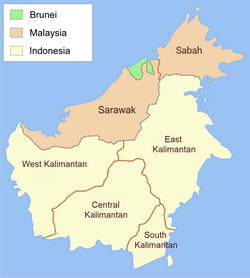
Brunei covers a total area of 5,765 square kilometers. Its landscape is characterized by dense tropical forests and coastal plains. The population is predominantly Malay (73.5%), with significant Chinese (9.7%) and other ethnic minorities.
Language and Religion
While Malay is the official language, English is widely used, and various indigenous dialects such as Tutong, Kedayan, and Belait are spoken. Sunni Islam is the official religion, practiced by approximately 80.7% of the population, though Christianity and Buddhism are also present.
Government and Legal System
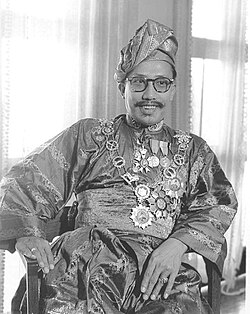
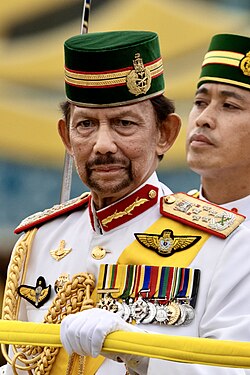
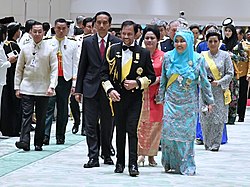
Brunei is governed by the Sultan, who serves as both the Head of State and Prime Minister. The current monarch, Sultan Hassanal Bolkiah, wields absolute authority. The legal system is a blend of common law and Sharia law (Islamic law), the latter of which has been implemented as a penal code in recent years.
Foreign Relations
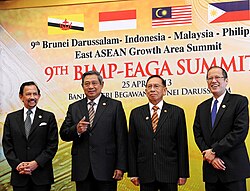
Brunei maintains a foreign policy based on mutual respect for territorial sovereignty, non-interference in the internal affairs of other nations, and the maintenance of friendly international relations. It is an active member of ASEAN and the BIMP-EAGA (Brunei-Indonesia-Malaysia-Philippines East ASEAN Growth Area), a subregional economic cooperation initiative.
Economy and Infrastructure
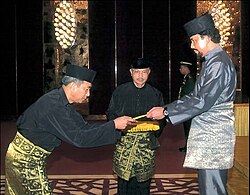
The economy of Brunei is one of the most prosperous in the world on a per capita basis, primarily due to its vast oil and gas reserves. This wealth has allowed the government to provide high-quality healthcare and education to its citizens.
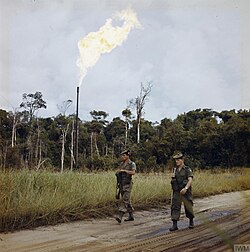
Modern Infrastructure
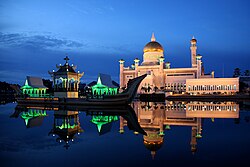
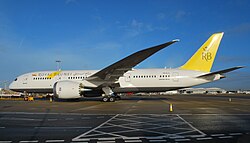
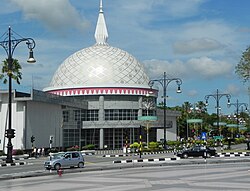
The nation has invested heavily in infrastructure, including the Brunei International Airport and the Temburong Bridge, which connects the separated Temburong district to the rest of the country. The skyline of Bandar Seri Begawan is punctuated by magnificent structures like the Sultan Omar Ali Saifuddien Mosque.
| Category | Detail |
|---|---|
| Capital | Bandar Seri Begawan |
| Population (2025 Est.) | 458,600 |
| GDP per Capita (PPP 2026 Est.) | $97,858 |
| Official Script | Rumi and Jawi |
| Total Area | 5,765 km² |
Frequently Asked Questions
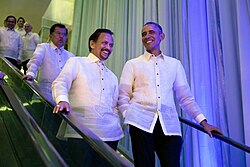
What is the official religion of Brunei?
The official religion of Brunei is Sunni Islam, which is practiced by the vast majority of the population.
Who is the current leader of Brunei?
Brunei is led by Sultan Hassanal Bolkiah, who serves as both the Sultan and the Prime Minister.
What drives the economy of Brunei?
Brunei's economy is primarily driven by the extraction and export of oil and natural gas.
When did Brunei gain its independence?
Brunei officially ended its status as a British protectorate and gained full independence on January 1, 1984.
What are the official languages spoken in Brunei?
Malay is the official language, though English is widely used for business and administration, and several indigenous dialects are spoken locally.