Cabo Verde: A Vibrant Archipelago of Culture and Governance
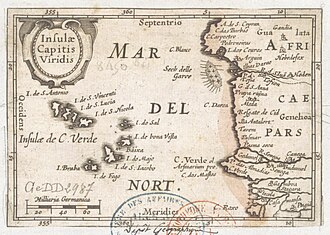
Located off the west coast of Africa, the Republic of Cabo Verde (commonly known in English as Cape Verde) is a stunning archipelago that blends African and European influences. From its volcanic landscapes to its rhythmic music, the nation stands as a beacon of stability and democratic progress in the region. With its motto "Unidade, Trabalho, Progresso" (Unity, Work, Progress), the country has evolved from a Portuguese colony into a modern semi-presidential republic.
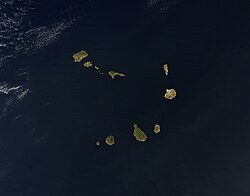
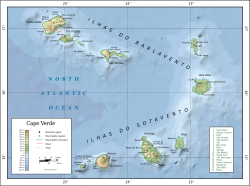
The islands are spatially divided into two groups, forming part of the Macaronesia region alongside the Azores, Madeira, and Canary Islands. This unique positioning has shaped its history, climate, and the resilient spirit of its people.
Key Facts
- Official Language: Portuguese, with Cape Verdean Creole as the recognized national language.
- Capital: Praia, located on the island of Santiago.
- Independence: Granted from Portugal on July 5, 1975.
- Government: Semi-presidential republic led by President José Maria Neves and Prime Minister Francisco Carvalho.
- Population: 491,233 (2021 census).
- Currency: Cape Verdean escudo (CVE).
Geography and Climate
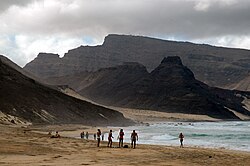
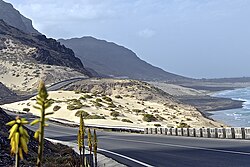
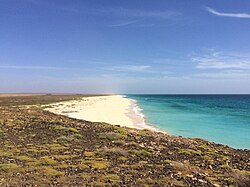
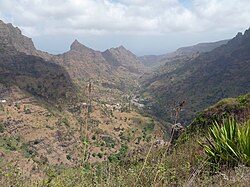
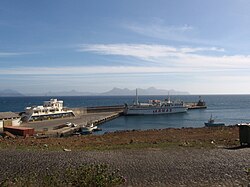
Cabo Verde consists of several islands with a total land area of 4,033 km². The topography varies significantly across the archipelago, featuring everything from the rugged peaks of Santo Antão to the sandy expanses of Boa Vista.
The climate is generally warm, though precipitation is low, averaging 109.2 mm annually. The islands experience a range of temperatures, with mean daily maximums typically between 24.9°C in January and 29.9°C in September. Humidity remains relatively high, averaging around 70.8% throughout the year.
Administrative Divisions
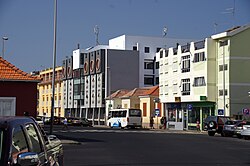
The country is organized into municipalities across its islands. Santiago is the most populous island, housing the capital city of Praia, while other significant hubs include Mindelo on São Vicente and Santa Maria on Sal.
Governance and International Standing
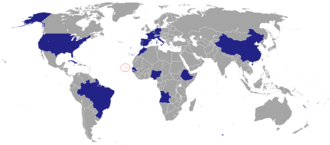
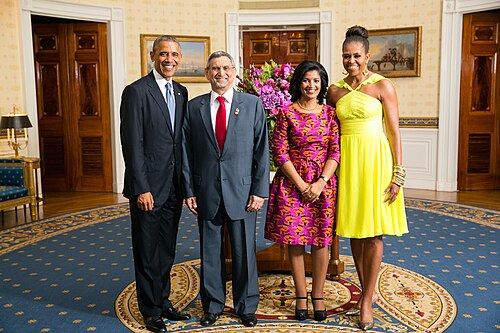
Cabo Verde is widely recognized for its strong democratic institutions and commitment to human rights. It consistently ranks highly in governance indices compared to its regional peers. The nation is a member of the Community of Portuguese Language Countries (CPLP) and the African Union.
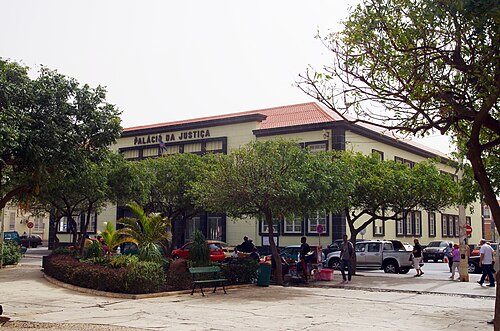
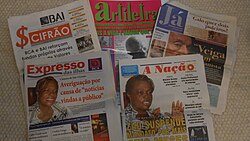
The country's commitment to transparency and freedom is reflected in its high scores for press freedom and the Ibrahim Index of African Governance. It is often cited as one of the most stable democracies in Africa.
| Index | Score/Rank | African Rank | World Rank | Year |
|---|---|---|---|---|
| Human Development Index (HDI) | 0.668 (Medium) | 10 | 135 | 2023 |
| Corruption Perceptions Index | 62 | 2 | 35 | 2024 |
| Democracy Index | 7.88 | 2 | 26 | 2018 |
| Fragile States Index | 57.2 | 4 | 61 | 2024 |
Economy and Infrastructure
The economy of Cabo Verde is increasingly driven by the service sector, with tourism serving as a primary source of income. The islands attract visitors with their pristine beaches and water sports, such as windsurfing and kiteboarding.
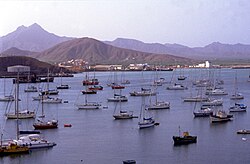
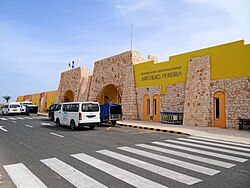
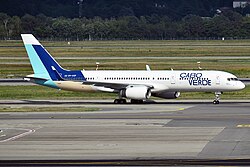
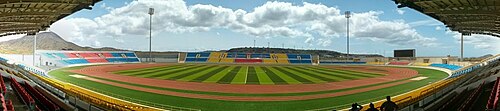
Infrastructure development is evident in the growth of urban centers and the modernization of transport. The country operates several international airports, including Amílcar Cabral International Airport on Sal and Nelson Mandela International Airport on Santiago.
In recent years, the government has embraced digital transformation and renewable energy to reduce dependence on imports and improve connectivity across the remote islands. This includes the innovative use of aerial drones to deliver medical supplies to isolated communities.
Culture and Society
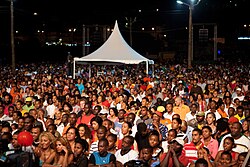
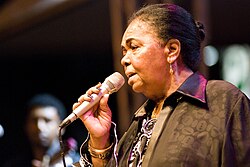
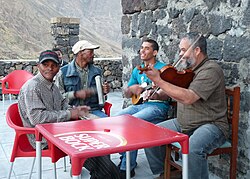
Cabo Verdean culture is a rich tapestry of African and European traditions. Music is central to the national identity, with the world-renowned singer Cesária Évora bringing the sounds of the islands to a global audience.
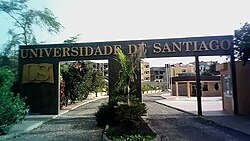
The society is predominantly Christian, with Catholicism being the most practiced faith (72.5% as of 2021). Education and health services are expanding, with the University of Santiago serving as a key center for higher learning.
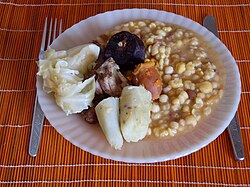
Cuisine is another highlight of the culture, with Cachupa—a slow-cooked stew of corn, beans, and fish or meat—standing as the national dish.
Frequently Asked Questions
What are the official languages of Cabo Verde?
The official language is Portuguese, while Cape Verdean Creole is the recognized national language spoken by the majority of the population.
When did Cabo Verde gain independence?
Cabo Verde was granted independence from Portugal on July 5, 1975.
What is the capital city of Cabo Verde?
The capital and largest city is Praia, located on the island of Santiago.
What is the primary religion in the country?
Christianity is the dominant religion, with Catholicism being the most prevalent, practiced by approximately 72.5% of the population.
What is the national dish of Cabo Verde?
The typical national dish is Cachupa, a hearty stew made from corn and beans.