Buckingham Palace: The Heart of the British Monarchy
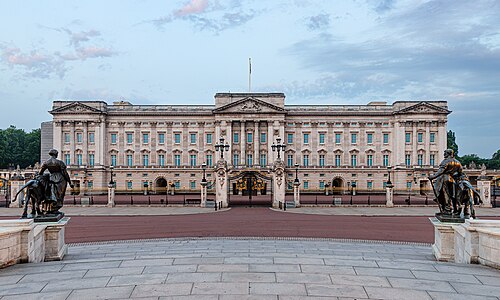
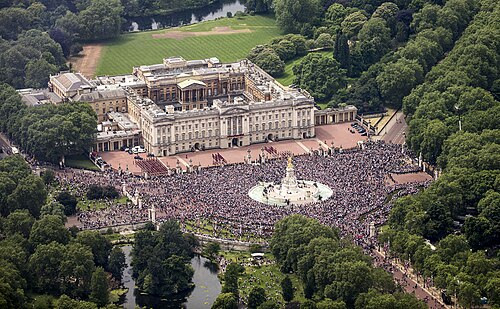
Buckingham Palace serves as the official administrative headquarters of the monarch of the United Kingdom and a primary royal residence in London, England. Located in the City of Westminster, the palace is far more than a home; it is a global symbol of the British monarchy and a central venue for state occasions, royal hospitality, and national moments of both celebration and mourning.
From its humble beginnings as a private townhouse to its current status as a Grade I listed building, the palace has evolved alongside the history of the British state. While it remains the workplace for hundreds of staff and the site of grand diplomatic receptions, it also functions as a major tourist attraction, welcoming hundreds of thousands of visitors annually.
Key Facts
- Official Role: Administrative headquarters of the UK monarch.
- Origins: Started as Buckingham House, built in 1703 for the Duke of Buckingham and Normanby.
- Royal Residence: Became the official London residence of the monarch upon Queen Victoria's accession in 1837.
- Garden Size: Features the largest private garden in London, covering 39 acres.
- Public Access: State rooms are open to the public during summer and selected dates.
- Current Status: King Charles III conducts official duties here but resides at Clarence House.
The Evolution of the Palace
From Townhouse to Queen's House
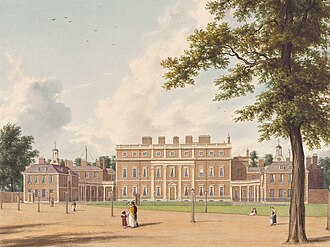
The core of the current palace began as Buckingham House, a large townhouse constructed in 1703. In 1761, King George III acquired the property as a private retreat for Queen Charlotte, leading to it being known as The Queen's House. It was here that 14 of Queen Charlotte's 15 children were born. Although St James's Palace remained the official ceremonial residence at the time, the name "Buckingham Palace" began appearing in records as early as 1791.
![Engraving of Buckingham House, c. 1725[8]](/images/23/fc/23fcb7866354633cbdccae8d50ab0af96a1c0753fba9670ca11b87f306801fe1.jpg)
Expansion Under Queen Victoria and Beyond
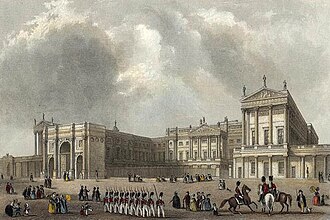
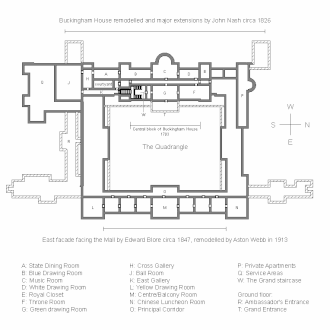
The transition from a house to a palace accelerated in the early 19th century. Architects John Nash and Edward Blore expanded the structure, adding three wings around a central courtyard. By June 1837, upon the accession of Queen Victoria, it became the official London residence of the British monarch.
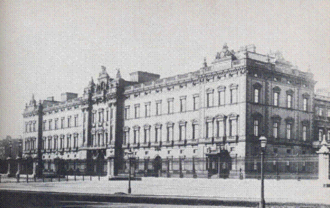
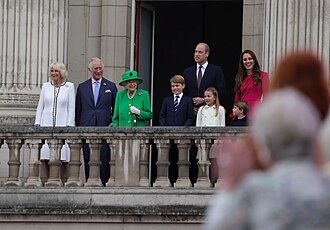
Further structural additions continued into the early 20th century. One of the most significant was the construction of the East Front, which features the famous balcony where the royal family appears to greet the public during national events.
War, Recovery, and the Arts
The palace was not immune to the turmoil of the 20th century. During the Second World War, a German bomb destroyed the palace chapel. In a notable act of bravery on September 15, 1940 (Battle of Britain Day), RAF pilot Ray Holmes rammed a German Dornier Do 17 bomber to prevent it from bombing the palace, eventually crashing the aircraft into the forecourt of London Victoria station.
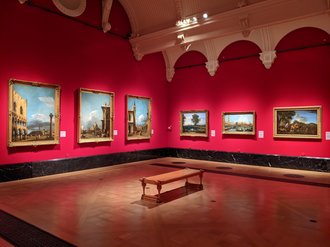
Following the war, the site of the destroyed chapel was repurposed. In 1962, The King's Gallery opened to the public, serving as a space to exhibit rotating selections of artwork from the Royal Collection, including works by masters such as Canaletto and Claude Lorrain.
Life Inside the Palace
State Rooms and Ceremonies
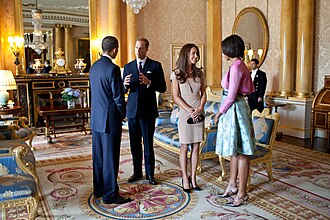
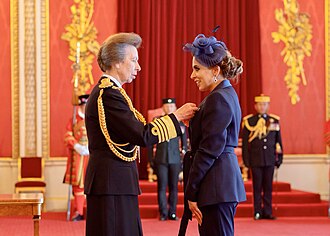
The palace is designed for high-level diplomacy and tradition. The piano nobile (the principal floor of a large house) contains the state rooms used for official business. These include the Ballroom for state banquets, the Throne Room for investitures, and the Marble Hall for receptions.
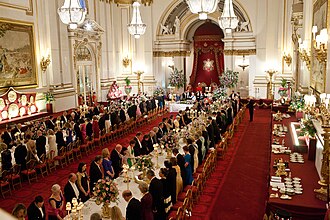
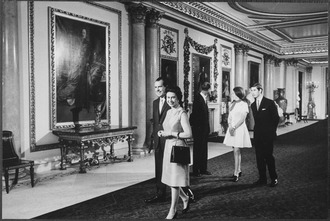
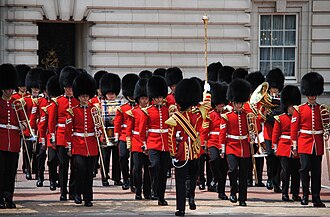
One of the most enduring traditions is the Changing of the Guard, a musical and military ceremony performed in the forecourt by the King's Guard, often accompanied by the Band of the Grenadier Guards.
The Royal Gardens
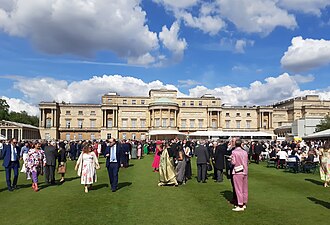
At the rear of the palace lies a 39-acre park-like garden, the largest private garden in London. This sanctuary contains over 1,000 trees and 325 species of wild plants. It is used for summer garden parties, which entertain approximately 50,000 guests annually, and for celebrating royal milestones like jubilees.
Palace Summary
| Feature | Detail |
|---|---|
| Established | 1703 (as Buckingham House) |
| Official Residence Since | 1837 (Queen Victoria) |
| Garden Area | 39 Acres |
| Listing Status | Grade I Listed Building (since 1970) |
| Annual Visitors (2024-25) | 683,000 (State Rooms), 174,000 (Gallery) |
Security and Access
Despite its high security, the palace has experienced several breaches. Notable intruders include "the boy Jones" (1838–1841) and Michael Fagan, who entered Queen Elizabeth II's bedroom in 1982. In response to such incidents, trespassing on palace grounds was made a specific criminal offence in 2007.
Frequently Asked Questions
Does King Charles III live at Buckingham Palace?
No, King Charles III and Queen Camilla have chosen to reside at nearby Clarence House, although the King continues to use Buckingham Palace for official duties, banquets, and receptions.
What is the purpose of the King's Gallery?
The King's Gallery is a purpose-built exhibition space that opened in 1962 on the site of the wartime-destroyed chapel. It displays a changing selection of artworks from the Royal Collection.
How large is the palace garden?
The garden covers 39 acres, making it the largest private garden in London. It includes a lake, a tennis court, and a helicopter landing area.
When can the public visit the state rooms?
The state rooms have been open to the public during the summer and on selected dates throughout the year since 1993.
What happens during the Changing of the Guard?
The Changing of the Guard is a ceremonial military event held in the palace forecourt, featuring the King's Guard and musical accompaniment, serving as a major tourist attraction.