British Raj: The History of Crown Rule in India (1858–1947)
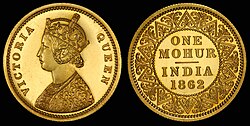
The British Raj refers to the period of direct rule by the British Crown over the Indian subcontinent between 1858 and 1947. This era followed the rule of the East India Company and was characterized by a complex administrative structure, significant infrastructure development, and a growing movement toward national independence.
The transition to Crown rule was triggered by the Indian Rebellion of 1857. Through the Government of India Act 1858, the British government transferred authority from the Company to the monarchy, establishing a system where the British monarch served as the sovereign, represented on the ground by a Viceroy.
Key Facts
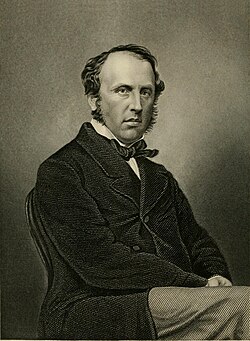
- Duration: 1858 to 1947.
- Capitals: Calcutta (1858–1911) and New Delhi (1911/1931–1947).
- Governance: A constitutional monarchy led by a Viceroy and a Secretary of State for India.
- Population: Approximately 389 million by 1941.
- Major Infrastructure: Development of one of the world's largest railway networks.
- End of Rule: Concluded with the Indian Independence Act and the Partition of India in August 1947.
Administrative Structure and Governance
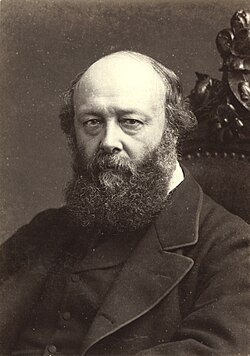
The governance of British India was split between the imperial government in London and the central government in India. The Viceroy acted as the primary representative of the Crown, while the Secretary of State for India managed affairs from London.
The territory was divided into major provinces, such as Bengal, Bombay, and Madras, and several minor provinces. Additionally, there were numerous Princely States—territories governed by local Indian rulers who remained under the suzerainty of the British Crown.
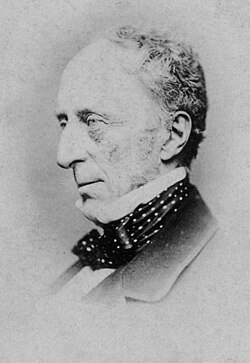
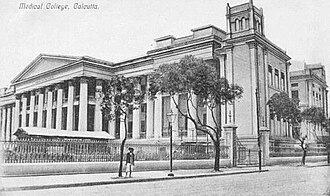
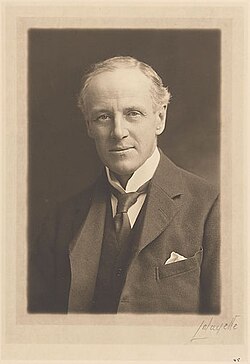
Education policy was heavily influenced by British officials, such as Sir Charles Wood, who shaped the framework for modern schooling and universities.
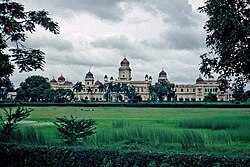
The establishment of modern state universities, including the University of Calcutta (1857) and the University of Lucknow (1867), marked a shift toward Western-style higher education in India.
Infrastructure and Economic Impact
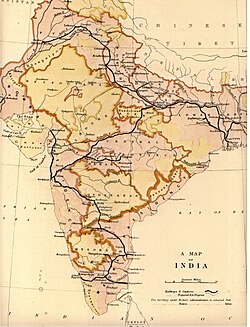
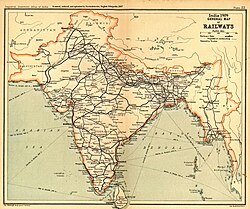
One of the most visible legacies of the Raj was the expansion of the railway network. By 1871, major cities like Calcutta, Bombay, Madras, and Delhi were connected. By 1909, India possessed the fourth largest railway network in the world.
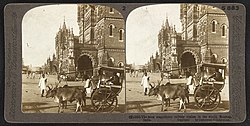
Architectural landmarks of this era include the Victoria Terminus in Bombay, completed in 1888 and regarded as one of the most magnificent stations globally.
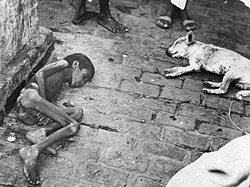
While infrastructure grew, the period was also marked by severe economic hardship. The 1943 Bengal famine serves as a stark example of the humanitarian crises that occurred during the colonial era.
The Rise of Nationalism and the Path to Independence
The late 19th century saw the emergence of an Indian middle class and the formation of the Indian National Congress in 1885, which began advocating for greater Indian representation in government.
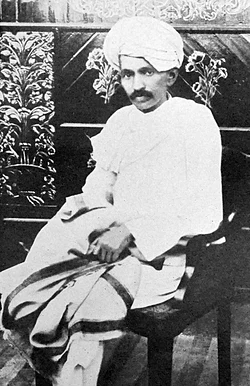
The return of Mahatma Gandhi from South Africa in 1915 brought a new philosophy of Satyagraha (non-violent resistance) to the independence movement.
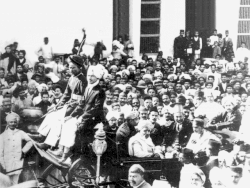
Tensions escalated with the introduction of the Rowlatt Act in 1919, which allowed for stricter anti-sedition laws and the imprisonment of political activists without trial. This legislation, recommended by the Rowlatt Committee, sparked widespread protests.
![Headlines about the Rowlatt Bills (1919) from a nationalist newspaper in India. Although all non-official Indians on the Legislative Council voted against the Rowlatt Bills, the government was able to force their passage by using its majority.[84]](/images/1e/c9/1ec947fbb515c03ccabfd8da638d4aa488df79ad101d8608dc0dc6be747ad97c.gif)
Throughout the early 20th century, movements such as the Swadeshi movement and the Non-Cooperation movement challenged British authority. The Government of India Act 1935 eventually provided a new framework for governance, though it did not satisfy the demand for full autonomy.
Summary of British India Administration
| Category | Details |
|---|---|
| Official Languages | English, Hindustani (Urdu) |
| Currency | Indian Rupee |
| First Viceroy | Charles Canning (1858–1862) |
| Last Viceroy | Louis Mountbatten (1947) |
| Total Area | 4,993,650 km² |
| 1921 Population | 316 million (217m Hindus, 69m Muslims) |
Frequently Asked Questions
What was the British Raj?
The British Raj was the period of direct rule by the British Crown over India from 1858 until independence in 1947, following the end of the East India Company's administration.
Who was the first Viceroy of India?
Viscount Charles Canning served as the first Viceroy of India from 1858 to 1862.
What was the significance of the Rowlatt Act?
The Rowlatt Act of 1919 allowed the British government to imprison people suspected of sedition without trial, which fueled nationalist protests and the non-cooperation movement.
How did the British Raj end?
The Raj ended with the Indian Independence Act of 1947, which led to the creation of the independent Dominions of India and Pakistan through the Partition of India.
What role did the railways play during the Raj?
The railways were used to connect major cities and facilitate trade and troop movements, eventually becoming the fourth largest network in the world by 1909.