Brazilian Rock: A Journey Through Decades of Sonic Rebellion
Brazilian rock is more than just a musical genre; it is a vibrant tapestry of cultural fusion, political resistance, and artistic experimentation. From its early roots in the late 1950s to the global explosion of heavy metal and the indie scenes of the 1990s, the movement has consistently blended international influences with the rich, rhythmic heritage of Brazil.
The evolution of the scene is marked by a constant dialogue between electric instruments and traditional sounds, creating unique derivative forms like Tropicália and fusion genres such as Samba rock and Mangue Beat. This sonic journey reflects the country's social shifts, moving from the pop-centric Jovem Guarda to the aggressive protest of punk and the stadium-filling energy of the 1980s.
Key Facts
- Origins: Emerged in the late 1950s, blending rock and roll, blues, and Brazilian folk.
- Major Movements: Includes Jovem Guarda (60s), Tropicália (late 60s), and the Brazilian New Wave (80s).
- Global Impact: Bands like Sepultura brought Brazilian thrash and groove metal to international prominence.
- Cultural Fusion: Unique subgenres include Forrocore (folk-hardcore mix) and Rock Rural.
- Landmark Event: Rock in Rio established Brazil as a premier destination for global music superstars.
The Formative Years: 1950s and 1960s
The 1960s served as a bridge between traditional sounds and the electric revolution. In Rio de Janeiro, The Bubbles (formed in 1965) and the artist Serguei linked psychedelic rock with the garage rock of Jovem Guarda (a youth-oriented pop-rock movement). Meanwhile, in São Paulo, Os Baobás gained traction by covering international acts like the Rolling Stones and the Kinks.
In Brasília, Os Primitivos pioneered a blend of folk rock and baião (a traditional Northeastern folk style). The era also saw the rise of the Opinião show in 1964, which integrated diverse Brazilian identities—representing Black Brazilians, Northeasterners, and high society—into popular music. This period laid the groundwork for MPB (Música Popular Brasileira), a sophisticated blend of Bossa Nova and other urban genres that, while not always rock, heavily influenced the rock scene.
By 1969, artists like Marcos Valle shifted toward psychedelic rock and soul, while singer-songwriter Tuca adopted a rockier edge after collaborating with Françoise Hardy in Paris.
The 1970s: Progressive Rock and Underground Festivals
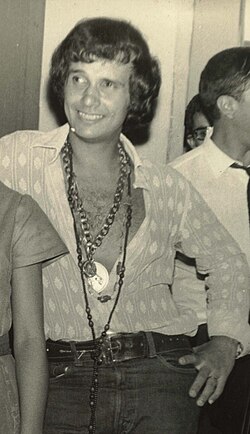
The 1970s were defined by a surge in progressive and experimental rock. Bands such as O Terço, Módulo 1000, and Bacamarte gained recognition, some even reaching fans in the US and Europe. Som Imaginário pushed boundaries further by mixing jazz, bossa nova, and baroque music from Minas Gerais into a distinct form of Brazilian art rock.
Experimentalism also flourished in the Northeast, where Lula Côrtes and Zé Ramalho released Paêbirú in 1975, mixing progressive rock with regional folk. Another cult classic from this era is the 1972 self-titled album by Karma, which utilized the tritarra (a unique three-necked guitar).
The decade also saw the rise of the festival culture. The 1971 Guarapari Summer Festival and the 1975 Iacanga Festival became landmarks for the underground scene. Additionally, the first Hollywood Rock festival in Rio featured icons like Raul Seixas and Rita Lee, while international acts like Alice Cooper (1974) and Genesis (1977) made their first appearances in the country.
The Rise of Punk and the 1980s Explosion
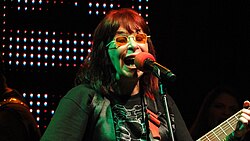
Punk rock emerged in late 1970s São Paulo as a vehicle for political opposition against the military regime. Led by pioneers like Douglas Viscaino and the band Restos de Nada, the scene quickly spread to Curitiba (Carne Podre) and Brasília (Aborto Elétrico). Due to censorship, early releases were often limited to demo tapes until the early 1980s.
The Brazilian punk sound leaned toward hardcore punk, influenced by the Dead Kennedys. The label Punk Rock Discos released the first individual punk record by Lixomania in 1982, followed by the influential Grito Suburbano compilation. By 1986, Cólera and Ratos de Porão became the first punk bands to perform internationally.
The 1980s witnessed a mainstream explosion known as the Brazilian New Wave (or New Jovem Guarda). This era produced legendary acts such as Legião Urbana, Titãs, Paralamas do Sucesso, and Barão Vermelho. The launch of Rock in Rio attracted over a million people, cementing Brazil's status as a global rock hub.
Simultaneously, the heavy metal scene surged. Sepultura, formed in 1984, evolved from thrash and death metal into a global force in groove metal. Other pioneers included Sarcófago and the all-female thrash band Volkana.
The 1990s: Indie Scenes and Genre Blending
The 1990s marked the birth of the Brazilian independent (indie) scene, influenced by Grunge and Britpop. Festivals like Juntatribo and BHRIF championed an independent attitude. This era also saw the rise of Forrocore via the band Raimundos, and reggae-rock blends from Skank and O Rappa.
The decade was characterized by diverse successes: Charlie Brown Jr. blended alternative rock with skate punk and rap, while Mamonas Assassinas achieved massive popularity through humorous rock before their tragic death in 1996. The MTV Brasil Unplugged series later helped revitalize the careers of 80s veterans like Titãs and Capital Inicial.
International artists like Kurt Cobain and David Byrne helped bring attention to Brazilian styles, particularly Tropicália, to a global audience. By the end of the century, artists like Los Hermanos and Pitty emerged as new pillars of the independent and mainstream rock scenes.
Summary of Brazilian Rock Evolution
| Era | Dominant Styles | Key Artists/Bands | Cultural Context |
|---|---|---|---|
| 1960s | Jovem Guarda, Psychedelia, MPB | The Bubbles, Os Mutantes | Youth culture & early fusion |
| 1970s | Progressive Rock, Art Rock | Raul Seixas, Som Imaginário | Experimentalism & Underground festivals |
| 1980s | New Wave, Punk, Thrash Metal | Legião Urbana, Sepultura, Titãs | End of military regime & Rock in Rio |
| 1990s | Indie, Forrocore, Reggae-Rock | Raimundos, Charlie Brown Jr. | Independent labels & MTV influence |
Frequently Asked Questions
What is Tropicália?
Tropicália was a derivative form of Brazilian rock and pop that emerged in the late 1960s, blending psychedelic rock with traditional Brazilian rhythms and avant-garde poetry to create a revolutionary cultural movement.
How did the military regime affect Brazilian punk?
The dictatorial regime until 1985 forced many punk bands to rely on demo tapes rather than official studio albums, as the music was often politically charged and oppositional.
What is Forrocore?
Forrocore is a fusion genre that blends the aggressive energy of hardcore punk with Forró, a traditional folk music style from Northeastern Brazil, most notably popularized by the band Raimundos.
Which Brazilian band had the most international impact in heavy metal?
Sepultura is widely considered the most influential, evolving from thrash and death metal into groove metal and incorporating world music and industrial elements.
What was the significance of Rock in Rio?
Rock in Rio was a massive event that attracted over a million attendees, proving that Brazil could host world-class international artists and establishing the country as a major venue for global music tours.