Samba Rock: The Fusion of Brazilian Rhythm and Global Soul
Samba rock is a vibrant Brazilian music genre and dance culture that blends the traditional rhythms of samba with the energy of rock, soul, and funk. Emerging from the lower-class black communities of São Paulo in the late 1950s, it represents a powerful cultural intersection where Brazilian identity met the global spread of African-American musical styles.
What began as a grassroots phenomenon in community block parties eventually evolved into a sophisticated movement. Today, it is recognized not just as a style of music, but as a comprehensive cultural identity involving musicians, DJs, scholars, and dancers.
Key Facts
- Origin: Late 1950s in the black favelas of São Paulo, Brazil.
- Core Fusion: A blend of samba with rock and roll, soul, funk, jazz, and blues.
- Pioneers: Jorge Ben (often called the "father of samba rock"), Tim Maia, and Trio Mocotó.
- Cultural Status: Declared a cultural heritage of the municipality of São Paulo in November 2016.
- Key Rhythmic Term: "Tumxicutumxicutum," an onomatopoeia describing its distinctive beat.
The Origins of a Movement
The roots of samba rock lie in the predominantly black neighborhoods of São Paulo. During the late 1950s, American rock and roll, jazz, and blues began reaching Brazilian radio and dance halls. This global influence collided with local traditions, leading to community parties where traditional samba and bolero were played alongside these new international sounds.
As these gatherings grew, they moved from block parties to larger venues managed by disc jockeys. One of the first influential figures was Osvaldo Pereira, known as "Orquestra Invisível (Invisible Orchestra) Let’s Dance," who debuted in 1958. To meet the demand of larger crowds, Pereira built powerful custom sound systems, including early versions of crossovers to control music frequencies.
The Evolution of Samba Rock Dance
The dance style emerged organically from the music. In the early days, partygoers mixed moves from the Lindy Hop and Rockabilly with Samba de Gafieira (a traditional ballroom samba). A pivotal moment occurred in 1957 when pianist Waldir Calmon recorded a samba version of Bill Haley's "Rock Around the Clock," encouraging dancers to merge rock and samba steps into a single, fluid style.
According to Mestre Ataliba, an early instructor, the dance is a balance of relaxation and concentration. It integrates the ginga—the characteristic body flow found in Capoeira—with the structured etiquette of European ballroom dancing. This versatility allows it to be danced to a wide array of genres, including R&B, reggae, and samba pagode.
Musical Development and the "Father of Samba Rock"
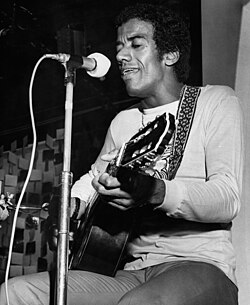
During the 1960s, the genre solidified as part of música popular brasileira (MPB). This era coincided with the Tropicália movement, which modernized bossa nova by incorporating international pop and rock influences. The primary architects of the samba rock sound were Trio Mocotó, Tim Maia, and Jorge Ben.
Jorge Ben was instrumental in defining the genre's rhythmic identity. He moved away from the European influences of bossa nova, instead drawing from soul, funk, and jazz to create a rhythm he called "sacundim sacundem." Ben introduced the electric guitar, drum kits, and reverberation to the samba sound. His 1970 album Fôrça Bruta, recorded with Trio Mocotó, is considered a landmark of the genre, blending groove-based accompaniment with rock-influenced guitar work.
The resulting sound—also referred to as samba soul, samba funk, or sambalanço (a mix of samba and balanço, meaning swing)—is characterized by a strong groove, brass instruments, keyboards, and the use of traditional percussion like the pandeiro and timbau.

Modernization and Cultural Legacy
Samba rock entered the mainstream in the late 1960s and peaked in popularity during the 1970s and 80s via the discotheque scene. By the 2000s, the genre underwent a modernization process. New bands like Sandália de Prata and Clube do Balanço began incorporating electronic samples, tailoring their music specifically for the dance floor.
This resurgence led to a broader cultural movement. In 2001, Universal Music Brasil released the "Samba Soul" series, reintroducing the classic works of Jorge Ben to a new generation. The movement also expanded into dance academies and gym classes, and saw the rise of groups like Soul Sisters, who linked the style with Brazilian hip hop.
The movement has also addressed social issues, such as gender equality. The "Samba Rock Mulheres" project was established to challenge the marginalization of women, who were often relegated to supporting roles behind male stars.
| Category | Details |
|---|---|
| Primary Influences | Samba, Rock and Roll, Soul, Funk, Jazz, Blues |
| Key Instruments | Electric guitar, drum kit, bass, keyboard, brass, pandeiro, timbau |
| Core Figures | Jorge Ben, Tim Maia, Trio Mocotó, Osvaldo Pereira |
| Regional Hub | São Paulo, Brazil |
| Official Recognition | Cultural heritage of São Paulo (2016) |
Frequently Asked Questions
What is the difference between samba rock and samba funk?
While the terms are sometimes used interchangeably or confused, samba rock is a broader dance culture and music genre that specifically fuses samba with rock, soul, and funk. It is often referred to as samba soul or sambalanço depending on the specific rhythmic emphasis.
Who is considered the father of samba rock?
Jorge Ben is widely regarded as the father of samba rock due to his pioneering work in the 1960s, where he developed the "sacundim sacundem" rhythm and integrated electric guitars and rock elements into samba.
How is samba rock danced?
Samba rock is a partner dance that blends the African "ginga" (body flow from Capoeira) in the hips and feet with European ballroom etiquette. It is characterized by a mix of rock and roll moves (like the Lindy Hop) and traditional samba steps.
Is samba rock officially recognized in Brazil?
Yes. In November 2016, the Municipal Council of Historic, Cultural and Environmental Preservation of the City of São Paulo (CONPRESP) declared samba rock a cultural heritage of the municipality.
What is "tumxicutumxicutum"?
It is an onomatopoeia used to describe the distinctive, driving rhythmic pattern that defines the samba rock sound.