Brazilian Music: A Journey Through Rhythms, History, and Culture
The music of Brazil is a vibrant tapestry woven from European, American, African, and Amerindian influences. This sonic diversity has birthed a wide array of original styles, ranging from the globally recognized beats of Samba and Bossa Nova to regional treasures like Forró and Maracatu. From the colonial cathedrals of the 16th century to the high-energy electronic dance floors of today, Brazilian music reflects the country's complex social history and multicultural identity.
Key Facts
- Samba is the most internationally recognized Brazilian genre, closely tied to the country's famous Carnival.
- Bossa Nova, pioneered by figures like João Gilberto, brought a sophisticated, jazz-influenced sound to the global stage.
- MPB (Música Popular Brasileira) emerged in the 1960s as a fusion of regional folklore and international styles like rock and jazz.
- Choro, meaning "lament," was the first national musical style to develop in Rio de Janeiro around 1870.
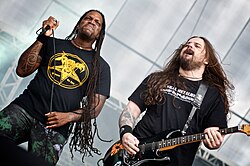
- Brazil has a robust Heavy Metal scene, with bands like Sepultura achieving worldwide fame.
The Evolution of Brazilian Art Music

Early records of Brazilian music are sparse before the arrival of Portuguese explorers in 1500. During the colonial era, musical activity was primarily centered in Roman Catholic cathedrals and the parlors of the elite. One of the earliest documented accounts of native music comes from Jean de Léry, who transcribed Tupinambá chants near Rio de Janeiro between 1557 and 1558.
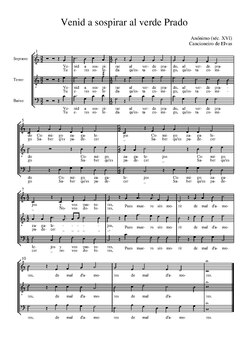
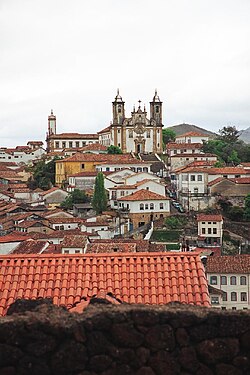
As the centuries progressed, Brazil developed a sophisticated school of art music. The 18th century saw the rise of important musical centers, particularly in Minas Gerais, where the city of Ouro Preto became a hub for composition and performance.
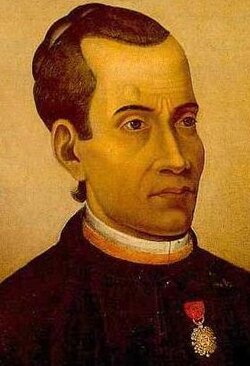
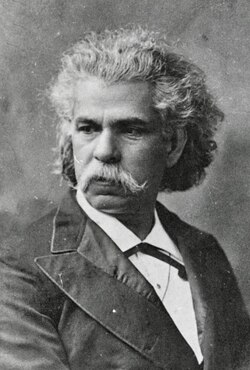
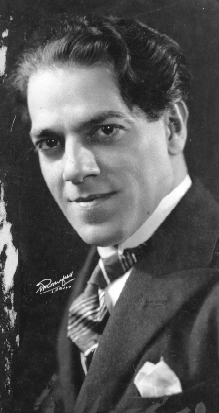
The transition through the Classical and Romantic periods led to a movement of Nationalism and eventually the avant-garde. This era produced legendary figures such as José Maurício Nunes Garcia and Antônio Carlos Gomes, and later, the world-renowned Heitor Villa-Lobos.
Indigenous, Folk, and Traditional Rhythms
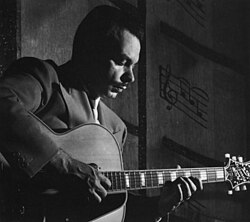
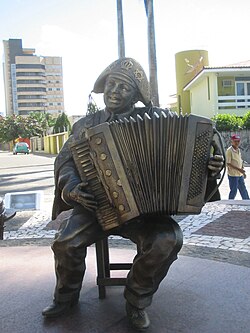
Beyond the concert halls, Brazil's heart beats in its folk traditions. These styles often blend African rhythms with indigenous and European melodies. Maracatu and Afoxé are powerful expressions of Afro-Brazilian heritage, while Repente involves improvised poetic singing.
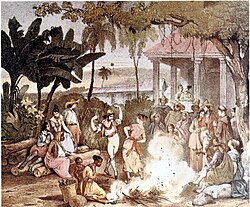
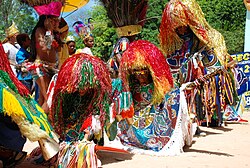
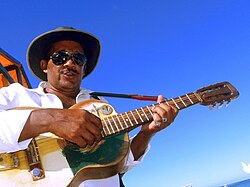
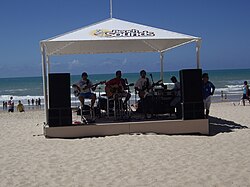
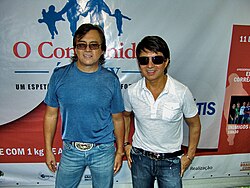
In the Northeast, music remains a vital part of social life, with Fortaleza serving as a key center for various regional sounds.
The Rise of Popular Music

Choro: The First National Style
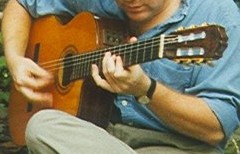
Emerging in Rio de Janeiro around 1870, Choro (or chorinho) is an instrumental style that blends European dances like the polka and waltz with Afro-Brazilian rhythms such as the Lundu (originating from Angola). It peaked between 1870 and 1920, becoming popular among the lower middle class.
Samba: The Heartbeat of Brazil
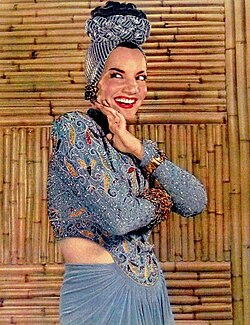
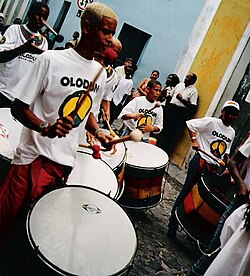
Samba emerged in the early 20th century in Rio de Janeiro, evolving from Batuque (drum-based dances) and Samba de Roda. While initially associated with the humblest social strata, it gained national status following the 1917 recording of "Pelo Telefone." Icons like Carmen Miranda later helped export the Samba image to the world.
Bossa Nova and MPB
In the mid-20th century, Bossa Nova introduced a softer, more intimate approach to Samba. This evolved into MPB (Música Popular Brasileira) in the mid-1960s. MPB acted as a catalyst for urban musical development in Rio de Janeiro and São Paulo, incorporating blues, jazz, and reggae into a national sound.
Modern Genres and Global Influences
Brazilian Rock and Metal
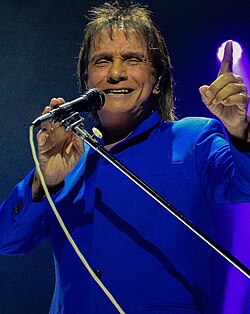
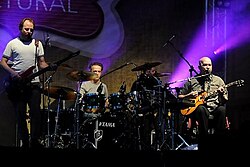
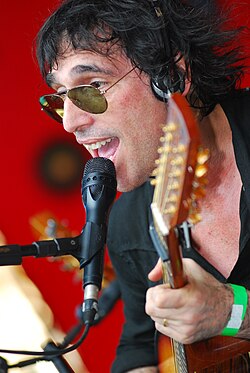
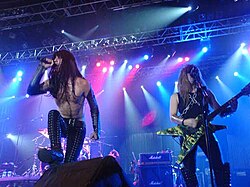
Rock and roll arrived in Brazil in the 1950s, evolving through the Jovem Guarda movement of the 60s and the experimental Tropicalismo. The 1980s saw a commercial boom with bands like Paralamas do Sucesso and Legião Urbana. Simultaneously, Brazil developed a fierce heavy metal scene, led by the globally influential Sepultura.
Electronic Music and B-Pop
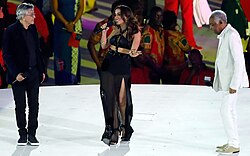
Electronic music took root in the 1980s, eventually leading to the creation of Brazilian Bass in Brasília during the mid-2010s. This house subgenre, characterized by punchy basslines, gained international fame through DJs like Alok. More recently, the rise of B-Pop has seen Brazilian artists blending North American pop influences with local sensibilities.
Regional and Spiritual Sounds
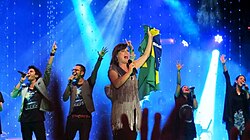
From the Sertanejo and Gaucho music of the south and interior to the Axé of Salvador, regionalism remains strong. Additionally, Brazilian Gospel has grown significantly since the 1990s, with ministries like Diante do Trono becoming leaders in Latin American worship music.
Summary of Major Brazilian Musical Styles
| Genre | Origin/Era | Key Characteristics | Notable Figures/Examples |
|---|---|---|---|
| Choro | 1870s, Rio de Janeiro | Instrumental, fusion of European dance and Afro-Brazilian rhythms | Pixinguinha |
| Samba | Early 20th Century | Percussive, rooted in Batuque and African rhythms | Carmen Miranda |
| Bossa Nova | Late 1950s | Sophisticated, jazz-influenced, intimate vocals | João Gilberto, Antônio Carlos Jobim |
| MPB | Mid-1960s | Fusion of folklore with rock, jazz, and pop | Caetano Veloso, Gilberto Gil |
| Brazilian Bass | Mid-2010s, Brasília | House music with deep, punchy basslines | Alok, Bruno Martini |
Frequently Asked Questions
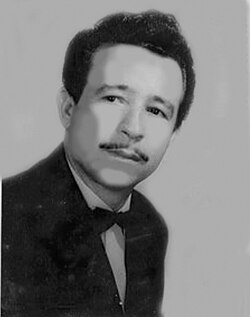

![Rita Lee, after her successful stint in rock in the 70s, became the first pop superstar in Brazil.[98]](/images/8a/f8/8af847f22345bc655dfb8b634fba7c4fa06eee60970abf91508f0369650bc96a.png)
What is the difference between Samba and Bossa Nova?
Samba is a high-energy, percussive genre deeply linked to Carnival and Afro-Brazilian roots. Bossa Nova is a more subdued, melodic derivative that blends Samba with jazz influences, focusing on sophisticated harmonies and softer vocals.
What does MPB stand for?
MPB stands for Música Popular Brasileira (Brazilian Popular Music). It is a broad genre that emerged in the 1960s, blending traditional Brazilian regional styles with international influences like rock and jazz.
Who are some of the most influential figures in Brazilian music history?
Key figures include Pixinguinha (Choro), Antônio Carlos Jobim (Bossa Nova), Luiz Gonzaga (Forró), Heitor Villa-Lobos (Classical), and modern stars like Alok (Electronic) and Anitta (Pop).
How did Choro influence other Brazilian styles?
As the first national musical style to develop in Rio de Janeiro, Choro established a precedent for fusing European melodies with African rhythms, paving the way for the later emergence of Samba.
What is Brazilian Bass?
Brazilian Bass is a subgenre of house music created in Brasília around the mid-2010s. It is characterized by a tempo of 120-125 bpm and deep, punchy basslines with filtering effects.