Samba: The Heartbeat of Brazilian Music and Culture
Samba is more than just a musical genre; it is the sonic identity of Brazil. Emerging from a fusion of Afro-Brazilian batucada (percussion-heavy ensembles) and rural traditional rhythms, samba evolved from the spiritual and social gatherings of Bahia into a global phenomenon. From the streets of Rio de Janeiro to the international stages of the mid-20th century, samba has mirrored the social transformations of the Brazilian people.
The genre's roots are deeply embedded in the late 19th century in Bahia and the early 20th century in Salvador and Rio de Janeiro. Its early forms, such as samba de roda, blended dance and music in circular formations, creating a communal experience that preserved African heritage in the New World.
!["Batuque" (1835), a painting by Johann Moritz Rugendas[55]](/images/0e/37/0e37be4e461d6c695f7a4c694f4cde3f2205942969c5a540e1e9e889c7eeb974.jpg)
Key Facts

- Origins: Developed from Afro-Brazilian batucada and rural rhythms, primarily in Bahia and Rio de Janeiro.
- Landmark Recording: "Pelo Telefone" is widely considered the founding landmark of the genre.
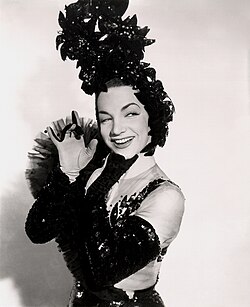
- Global Reach: Promoted internationally by icons like Carmen Miranda and later through the Bossa Nova movement.
- Cultural Status: Samba from Rio de Janeiro is recognized as a cultural heritage of Brazil.
- Core Instruments: Driven by percussion such as the surdo, pandeiro, and cuíca, accompanied by the cavaquinho and classical guitar.
The Evolution of Urban Samba
From Criminalization to Carnival
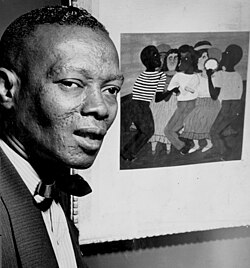
In its early urban stages, samba faced significant social resistance and was often criminalized. However, it found a sanctuary in the terreiros (religious and community spaces) of Bahia and later in the suburbs of Rio. The transition to a public spectacle was aided by the rise of the carnival rancho, with Hilário Jovino Ferreira founding the first such group in Rio.
The Estácio Influence and the First Hits
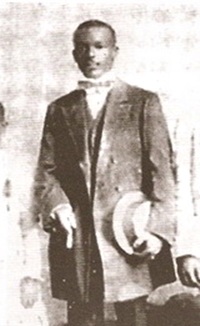
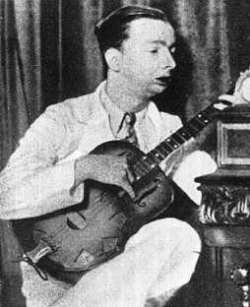
The 1920s marked the genesis of urban samba in the Estácio neighborhood of Rio. Figures like Ismael Silva were pivotal in shaping the rhythm that would define the city's sound. The recording of "Pelo Telefone" by Donga served as a catalyst, transitioning samba from a marginalized folk practice to a recognized musical genre.
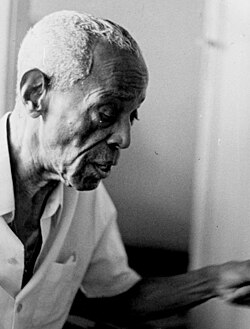
By the 1930s, the genre expanded through the radio era. Composers like Pixinguinha and Cícero de Almeida contributed to its sophistication, while the emergence of samba schools turned the music into a massive, organized cultural event.
Diversification and Subgenres
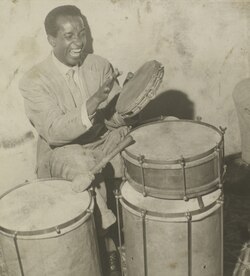
As samba integrated into the Brazilian music industry, it branched into various styles to suit different social contexts and emotional tones.
The Golden Age and Samba-Canção
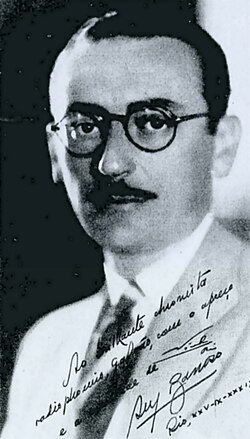
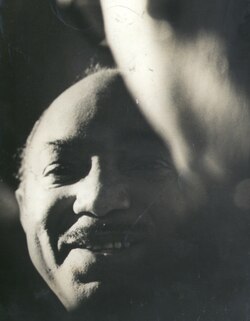
During the "golden age" of Brazilian music, composers like Ary Barroso and Noel Rosa brought samba closer to the middle class. This era saw the rise of samba-canção, a slower, more melodic style influenced by foreign music and focused on romantic themes. Lupicínio Rodrigues became a master of this emotive style.
Bossa Nova: The Modern Revolution
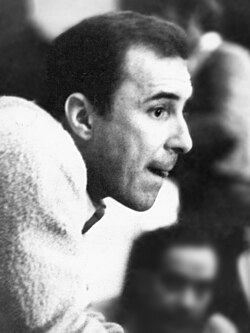
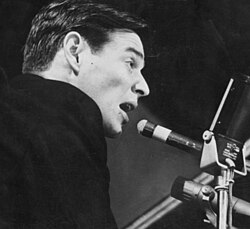
In the late 1950s, a new revolution occurred with the birth of Bossa Nova. Originators like João Gilberto and Antonio Carlos Jobim stripped down the percussion and introduced complex jazz harmonies, creating a sophisticated "new wave" that captured the world's imagination.
Pagode and Contemporary Samba
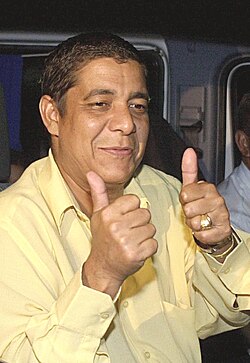
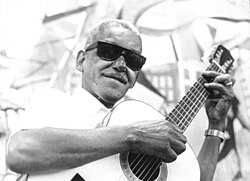
In the latter half of the 20th century, pagode emerged as a renewal of the genre. This style, often associated with "backyard pagodes" in Rio's suburbs, was popularized by artists like Beth Carvalho, Zeca Pagodinho, and the group Fundo de Quintal. Pagode brought a more informal, celebratory energy back to the music.
The Instrumentation of Samba
The rich sound of urban samba is produced by a specific array of instruments, categorized by their role in the ensemble.
| Category | Instruments | Role/Characteristic |
|---|---|---|
| Basic Percussion | Surdo, Pandeiro, Tamborim, Cuíca, Ganzá, Repinique, Caixa | Provides the rhythmic foundation and syncopation. |
| Harmonic/Melodic | Cavaquinho, Classical Guitar | Provides chords and melodic accompaniment. |
| Specialized/Subgenre | Agogô, Atabaque, Banjo, Bandolim, Reco-reco, Tan-tan | Adds specific textures to different samba styles. |
| Brass | Trumpet, Cornet, Trombone | Used in larger ensembles and samba schools. |
![Samba rhythm[124]](/images/5f/b3/5fb370ba497df81baf46bd909b00aed0b9a08cb8c6996dce11fd6f98f33c7449.png)
Frequently Asked Questions
What is the difference between Samba and Bossa Nova?
Samba is generally more percussion-driven and associated with carnival and community celebrations. Bossa Nova is a stylized derivative of samba that incorporates jazz harmonies and a more subdued, intimate vocal and guitar style.
Who was the first samba singer to achieve international fame?
Carmen Miranda was the first samba singer to promote the genre on a global scale, becoming a symbol of Brazilian culture abroad.
What is a "Samba School"?
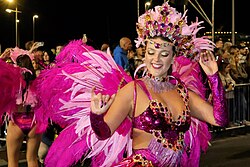
Samba schools are community-based organizations that prepare elaborate parades, music, and choreography for the Brazilian Carnival, playing a central role in the preservation and evolution of samba de enredo.
What is Pagode?
Pagode is a subgenre of samba that emerged as a renewal of the music, characterized by its informal settings (such as backyard parties) and the use of specific instruments like the tan-tan and banjo.
Which song is considered the landmark of the samba genre?
The song "Pelo Telefone," recorded by Donga, is widely regarded as the founding landmark of samba as a formal musical genre.