Botanical Gardens: History, Science, and Global Conservation
A botanical garden is far more than a scenic public park. It is a curated, documented collection of living plants dedicated to scientific research, conservation, display, and education. Unlike traditional gardens, these institutions maintain rigorous records of their specimens, often labeling plants with their botanical names to facilitate study and learning.
From specialized collections of cacti and succulents to expansive herb gardens and climate-controlled glasshouses for tropical or alpine species, botanical gardens serve as living libraries of the planet's flora. While many are open to the public for entertainment and education, their core mission remains rooted in botanical science.
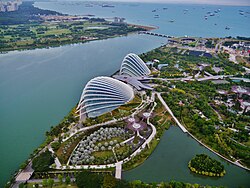
Key Facts
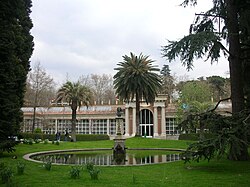
- Global Reach: There are approximately 1,800 botanical gardens and arboreta across 150 countries.
- Visitor Impact: These gardens attract roughly 300 million visitors annually.
- Regional Distribution: Europe hosts about 550 gardens (including 150 in Russia), while North America has around 200.
- Core Purpose: They function as centers for plant taxonomy, phytochemistry (the study of plant chemistry), and genetic preservation.
- Conservation Role: Many gardens manage ex situ conservation collections, preserving species outside their natural habitats.
The Role and Functions of Botanical Gardens

Botanical gardens are typically managed by universities or scientific research organizations. They are often paired with herbaria—archives of dried plant specimens—and dedicated research programs. According to Ferdinand von Mueller, a 19th-century director of the Royal Botanic Gardens, Melbourne, the primary objectives of these institutions must be scientific and instructive.
Scientific and Educational Objectives
To distinguish them from "public pleasure gardens," true botanical gardens focus on specific scientific goals, including:
- Maintaining plant diversity for research and the study of plant taxonomy.
- Displaying plants by region, family, or economic significance (such as major timber trees).
- Publishing periodic catalogues of holdings and maintaining accurate records of plant performance.
- Providing facilities for student education and phytochemistry studies.
- Conducting field work through dedicated plant collectors.
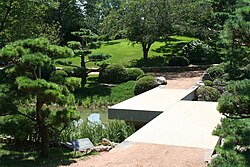
A History of Botanical Science
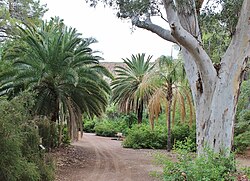
The evolution of botanical gardens mirrors the development of botany as a science. Their purpose has shifted over centuries, moving from medicinal utility to colonial curiosity, and finally to global conservation.
Ancient Precursors and Physic Gardens
The roots of these gardens can be traced back to early medieval Islamic Spain. In the 11th century, physician Ibn Wafid established the Huerta del Rey in Toledo, and later, Ibn Bassal founded a garden in Seville featuring plants collected from Morocco, Persia, Sicily, and Egypt.
The more direct ancestors of modern gardens were the monastic physic gardens of the medieval era. These were divided into a hortus (vegetable garden), a viridarium (orchard), and a herbularius or hortus medicus—a dedicated space for labeled medicinal plants. This tradition was bolstered by Emperor Charlemagne's Capitulary de Villis, which listed 73 essential herbs for his dominions.
![The Hanging Gardens of Babylon[23] with the Tower of Babel in the background, a 16th-century hand-coloured engraving by Martin Heemskerck](/images/d9/b6/d9b6bc3ec17b13513f946e9113cdddbcb02a5cdea9ccfeaa78048638b55a7b7c.jpg)
The Renaissance and the Rise of University Gardens
During the Italian Renaissance, botanical gardens became associated with medical faculties. These gardens allowed apothecaries to lecture on "simples" (medicinal plants). Notable early examples include the Orto botanico di Pisa (1544) and the Orto botanico di Padova (1545), the latter being the oldest academic garden still at its original location.
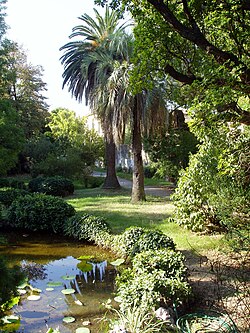
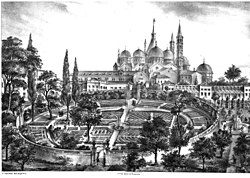
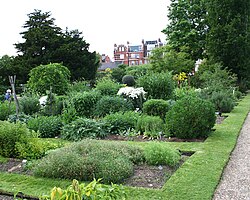
This model spread rapidly across Northern Europe, leading to the establishment of gardens in Leipzig (1543), Leiden (1590), Paris (1635), and the Chelsea Physic Garden in England (1673).
Expansion in the 18th and 19th Centuries
By the 18th century, gardens like the Royal Botanic Gardens, Kew (1759) and the Real Jardín Botánico de Madrid (1755) began cultivating "trophies"—strange and economically valuable species brought back from European colonies. This era saw the rise of professional plant hunters and the use of orangeries and glasshouses to sustain exotic flora.
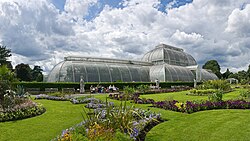
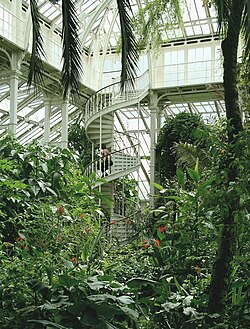
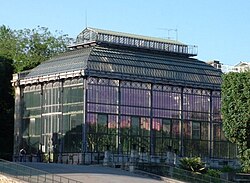
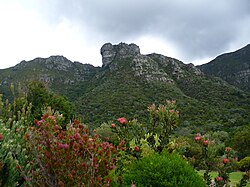
In the 19th century, the movement expanded globally. Australia established colonial gardens for economic botany and acclimatization, such as the Royal Botanic Gardens, Sydney (1816). South Africa developed a robust network, including the Durban Botanic Gardens (1851) and the renowned Kirstenbosch National Botanical Garden (1913).
Modern Botanical Gardens and Conservation
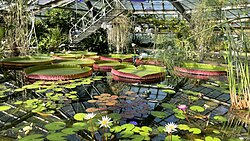
In the 20th and 21st centuries, the focus shifted toward plant conservation. The urgency of protecting endangered species led to the 1987 establishment of the Botanic Gardens Conservation Secretariat by the IUCN and the World Conservation Union.
Modern gardens employ various ex situ conservation methods:
- Seed Banks: Drying and storing seeds at low temperatures, such as the Kew Millennium Seedbank.
- Tissue Culture: Preserving genetic material in laboratory settings.
- Living Collections: Maintaining rare plants for potential reintroduction into their original habitats.
| Garden Name | Location | Established | Key Feature/Significance |
|---|---|---|---|
| Orto botanico di Padova | Italy | 1545 | Oldest academic garden at original site |
| Chelsea Physic Garden | England | 1673 | Early medicinal plant focus |
| Royal Botanic Gardens, Kew | England | 1759 | Global leader in research and seed banking |
| Kirstenbosch National Botanical Garden | South Africa | 1913 | Focus on native South African flora |
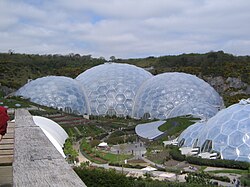
| The Eden Project | England | 2000 | Modern focus on sustainability |
Frequently Asked Questions

What is the difference between a botanical garden and a public park?
While both are green spaces, a botanical garden maintains a documented collection of plants for scientific research, conservation, and education, whereas a public park is primarily designed for recreation and aesthetics.
What is a physic garden?
A physic garden is a precursor to the modern botanical garden, specifically designed to grow and study medicinal plants (herbs) for use in healthcare and pharmacy.
What does "ex situ conservation" mean?
Ex situ conservation refers to the preservation of biological diversity outside of its natural habitat, such as in seed banks, tissue cultures, or curated botanical collections.
Why are herbaria important to botanical gardens?
Herbaria provide a permanent record of plant specimens, allowing scientists to study plant taxonomy, track changes in species over time, and verify the identity of living plants in the garden.
How do botanical gardens contribute to sustainability?
They contribute by preserving endangered genetic variation, researching plant chemistry for medicine, and educating the public on biodiversity and environmental stewardship.