Botany: The Scientific Study of Plant Life and Evolution
Botany, often referred to as plant science, is a fundamental branch of biology and natural science. It focuses on the growth, reproduction, and evolution of plants—a lineage that has shaped life on Earth for approximately 3.5 billion years. From the microscopic level of biochemistry and genetics to the vast complexities of ecology and taxonomy, botany provides a comprehensive lens through which we understand the green world.
A botanist, or plant scientist, specializes in these diverse fields, investigating everything from how a single cell functions to how entire plant communities interact with their environments.
Key Facts
- Botany covers approximately 410,000 species of land plants.
- There are roughly 391,000 species of vascular plants.
- Flowering plants make up about 369,000 of these species.
- Bryophytes, such as mosses, account for approximately 20,000 species.
- The binomial system of nomenclature, used for naming species, was established by Carl Linnaeus in 1753.
The Evolution of Plant Science
From Herbalism to Academic Study
The roots of botany lie in prehistoric herbalism, where early humans sought to identify plants that were edible, medicinal, or poisonous. This practical necessity was one of humanity's earliest scientific endeavors. During the Middle Ages, medicinal plants were often cultivated in physic gardens attached to monasteries.
By the 1540s, these collections evolved into the first university-affiliated botanical gardens, such as the famous Padua botanical garden. These institutions transitioned plant study from survival-based knowledge to formal academic discipline. This era also saw the rise of taxonomy—the science of naming and classifying organisms—culminating in Carl Linnaeus's revolutionary binomial system, which remains the global standard for biological identification today.

Modern Technological Advancements
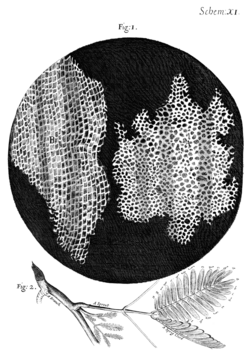
The 19th and 20th centuries brought a technological revolution to the field. The development of optical and electron microscopy allowed scientists to observe live cells and intricate structures for the first time. Researchers began analyzing chromosome numbers, plant chemistry, and the complex functions of enzymes and proteins.
In the late 20th century, the field shifted toward molecular genetics. By utilizing genomics, proteomics, and DNA sequencing, modern botanists can now classify plants with unprecedented accuracy based on their genetic blueprints.

Diverse Branches of Botanical Study
Because plants are so complex, botany is divided into numerous specialized sub-disciplines. These branches allow scientists to study plants at every scale of existence.
Anatomy, Morphology, and Physiology
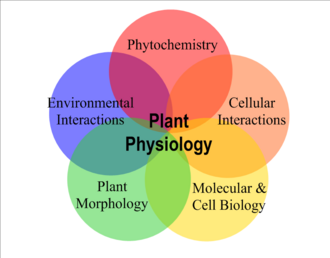
Morphology examines the physical form and external structure of plants, while anatomy looks at their internal structures. Plant physiology explores how plants function, including how they process nutrients and respond to their environment.

A key component of physiology is the study of plant hormones, such as auxin, which regulate growth and movement. For example, plants can exhibit phototropism, where they bend toward a light source due to hormonal distribution.
Genetics and Molecular Biology
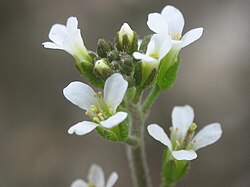
Modern botany relies heavily on understanding the genetic makeup of plants. This includes genomics (the study of entire genomes) and epigenetics (the study of changes in organisms caused by modification of gene expression). A famous model organism in this field is Arabidopsis thaliana, the first plant to have its genome sequenced.

Ecology and Evolution
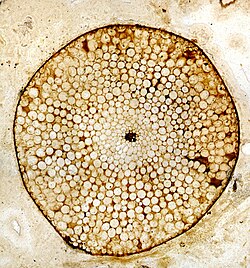
Botanists also study how plants interact with their surroundings (ecology) and how they have changed over billions of years (evolution). This includes studying fossilized remains to understand ancient plant life and observing how modern plants respond to climate change.

The Importance of Botany in Human Life
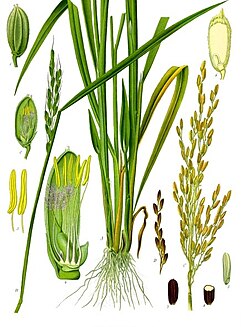
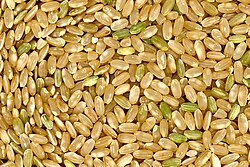
The study of plants is not merely academic; it is vital for human survival. Plants are the foundation of the global food supply, providing direct nutrition through crops like rice and indirect nutrition through the animals they support.
Beyond food, plants are essential for medicine and the production of materials. From the extraction of medicinal compounds to the study of nitrogen-fixing bacteria that support soil health, botany touches almost every aspect of human industry and health.

Botanists also work to preserve plant diversity through herbariums—collections of dried, preserved plant specimens used for scientific study and identification.



| Category | Approximate Species Count | Key Characteristics |
|---|---|---|
| Land Plants | 410,000 | Total species living on land |
| Vascular Plants | 391,000 | Plants with specialized conducting tissues |
| Flowering Plants | 369,000 | Angiosperms that produce flowers and seeds |
| Bryophytes | 20,000 | Non-vascular plants like mosses |
Frequently Asked Questions
What is the difference between botany and biology?
Biology is the broad study of all living organisms, whereas botany is a specialized branch of biology that focuses specifically on plants.
Why do botanists use Latin names for plants?
Latin names provide a universal, standardized way to identify species, preventing confusion caused by different regional or common names.
What is a model organism in botany?
A model organism, such as Arabidopsis thaliana, is a species that is extensively studied to understand particular biological processes, which can then be applied to other plants.
How do plants help the environment?
Plants play critical roles in ecosystems through processes like photosynthesis, nitrogen fixation, and by providing habitats and food for other organisms.
What does a botanist actually do?
Botanists conduct research on plant growth, evolution, genetics, and ecology, often using tools ranging from microscopes to DNA sequencing technology.