Bosniaks: History, Identity, and Cultural Heritage
The Bosniaks are a South Slavic ethnic group primarily inhabiting Bosnia and Herzegovina. While the term "Bosnian" refers to all citizens of the country regardless of ethnicity, "Bosniak" specifically denotes the ethnic group predominantly associated with Sunni Islam and the Bosnian language. With a global population estimated at approximately 3.5 million, the Bosniak people possess a rich history shaped by the intersection of European and Ottoman influences.
From the early Slavic migrations to the complexities of modern nation-building, the Bosniak identity has evolved through various political eras, including the medieval Bosnian state, the Ottoman Empire, and the Austro-Hungarian administration.
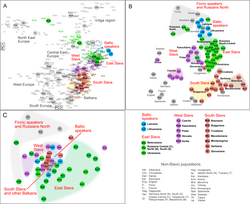
Key Facts
- Population: Approximately 1.77 million in Bosnia and Herzegovina, with a total global estimate of 3.5 million.
- Religion: Predominantly Sunni Islam.
- Language: Bosnian.
- National Symbol: The fleur-de-lis, rooted in the medieval Kotromanić dynasty.
- Major Diaspora Hubs: Turkey, United States, Serbia, and Canada.
Historical Origins and Medieval Bosnia
The foundations of the Bosniak people lie in the arrival of the Slavs in the Balkans. Following the reign of the Serbian ruler Časlav (ca. 927–960), Bosnia emerged as a politically independent entity. Over the following centuries, the region experienced various shifts in sovereignty, including brief subjugation by Bulgaria and periods of influence from the Byzantine Empire and the Serbian state of Duklja.
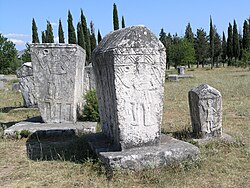
During the Middle Ages, the region was characterized by a unique cultural landscape, often associated with the Bosnian Church movement.
The Ottoman Era and Islamic Influence
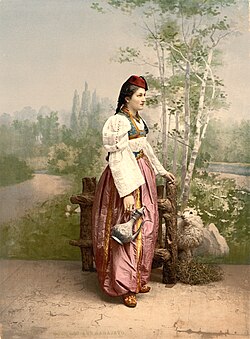
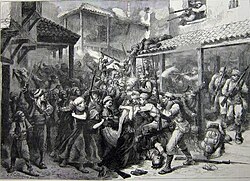
The arrival of the Ottoman Empire brought significant demographic and religious changes. A notable aspect of this period was the devshirme—the practice of conscripting youths for the Janissary army. In Bosnia, this practice was often voluntary; records from 1603–1604 indicate that many families sought to have their children selected. Uniquely, Bosnia was the only region where Muslim boys, known as poturoğulları, were permitted to be conscripted, specifically for service in the palace gardens under the bostancıbaşı.
The demographic balance of the Eyalet of Bosnia shifted over time, with Muslims often comprising between 40% and 56% of the population during the 17th and 18th centuries.
| Year | Muslim Population | Muslim % | Non-Muslim Population | Non-Muslim % |
|---|---|---|---|---|
| 1663 | 400,000 | 51.95% | 370,000 | 48.05% |
| 1730 | 329,003 | 56.61% | 252,000 | 43.39% |
| 1803 | 400,000 | 43.63% | 516,860 | 56.37% |
Transition to Austria-Hungary and Yugoslavia
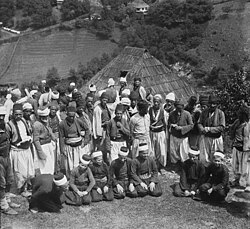
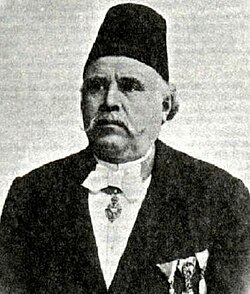
The transition to Austro-Hungarian rule in 1878 was met with varying degrees of resistance. Some Bosniaks chose emigration to the Ottoman Empire as a form of protest; records suggest approximately 65,000 people departed between 1878 and 1914. During this era, the Bosniak identity began to be more formally articulated by proponents like Mehmed Kapetanović.
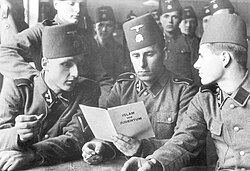
During World War I, Bosniaks served prominently in the Bosnian-Herzegovinian Infantry (BHI) of the Austro-Hungarian Army, making up 31%–50% of the unit. The BHI was highly commended for its bravery, earning more medals than any other unit in the emperor's service.
![Bosniaks formed 31%–50% of Bosnian-Herzegovinian Infantry of the Austro-Hungarian Army.[109] BHI was commended for their bravery in service of the Austrian emperor in WWI, winning more medals than any other unit.[110]](/images/06/64/0664aa07aae0af26d43e632488d251ef9ea0bccdfd3ab1be24a8b087c30402f9.jpg)
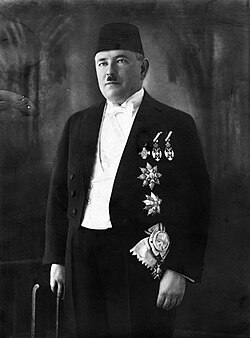
In the subsequent Yugoslav era, the community continued to play a vital political role. Figures such as Mehmed Spaho became central to the Bosnian Muslim community during the Kingdom of Serbs, Croats, and Slovenes.
The Bosnian War and Modern Identity
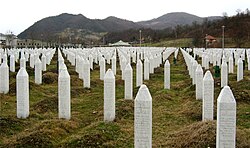
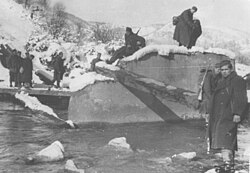
The early 1990s marked a pivotal shift in self-identification. While most Bosnian Muslims previously identified simply as "Muslims," the term Bosniak was revived to emphasize a distinct national identity. This transition occurred amidst the turmoil of the Bosnian War, where the community faced severe hardships, including the siege of Sarajevo and the Srebrenica massacre, where over 8,000 Bosniak men and boys were killed.
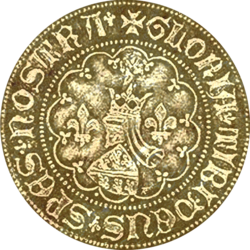
The fleur-de-lis, a symbol of the medieval Kotromanić dynasty, was revived in 1992 as a national symbol. Historians note that using this emblem helped highlight the European and medieval Christian past of the Bosniak people during a time of intense conflict and Islamophobia.
Culture and Global Diaspora
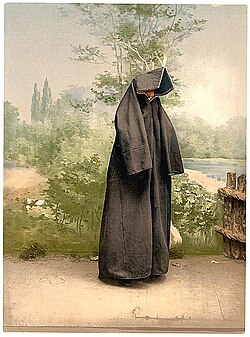
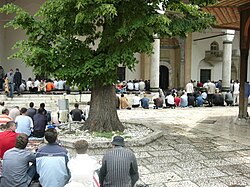
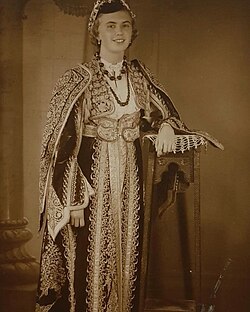
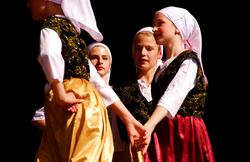
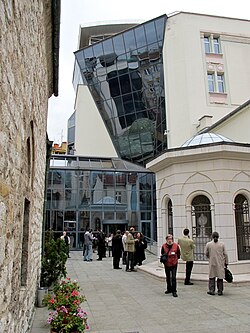
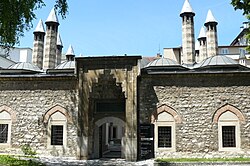
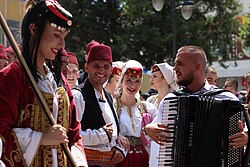
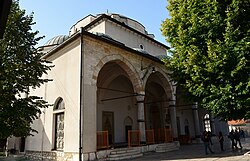
Bosniak culture is a blend of Slavic roots and Oriental influences, visible in their architecture, traditional costumes, and the kolo dance. Religious life is centered around Sunni Islam, with landmarks like the Gazi Husrev-beg Mosque in Sarajevo serving as cultural and spiritual anchors.
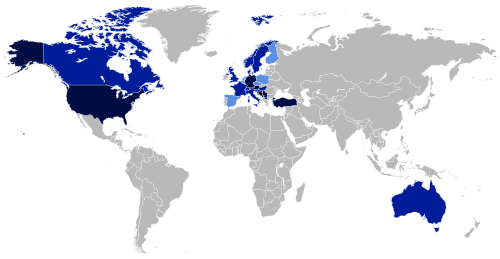
Due to conflict and economic migration, a significant diaspora has formed. Large communities exist in Turkey (with millions of people claiming ancestry), the United States, Canada, and across Europe. In Canada, the Congress of North American Bosniaks serves as a primary organizational body for the community.
Frequently Asked Questions
![The Sarajevo Red Line, a memorial event of the siege of Sarajevo's 20th anniversary. 11,541 empty chairs symbolized 11,541 victims of the war which, according to Research and Documentation Center were killed during the siege of Sarajevo.[157][158]](/images/52/c5/52c583ed50d7bffb99b29302a6debf6f6007380f83f741e40c508a1d663944c8.jpg)
![Buna river, near the town of Blagaj in southern Herzegovina. Blagaj is situated at the spring of the Buna river and a historical tekke (tekija or Dervish monastery). The Blagaj Tekija was built around 1520, with elements of Ottoman architecture and Mediterranean style[205][206] and is considered a national monument.](/images/79/06/7906a60ce631cf206cb8437de514023381dda2c0ceeacf765eafaeb8e8762fa1.jpg)
What is the difference between a Bosnian and a Bosniak?
A Bosnian is any citizen of Bosnia and Herzegovina, regardless of their ethnic background. A Bosniak is a member of a specific ethnic group, typically characterized by the Bosnian language and the Sunni Islamic faith.
What does the fleur-de-lis represent for Bosniaks?
The fleur-de-lis is a historical symbol of the medieval Kotromanić dynasty. It was revived in 1992 to symbolize Bosniak nationhood and to emphasize the group's deep historical roots in medieval Europe.
How did the devshirme system work in Bosnia?
Unlike in other regions, the devshirme (conscription of youths for the Janissary army) was often voluntary in Bosnia. Furthermore, Bosnia was the only area where Muslim boys were permitted to be taken, serving specifically in the palace gardens.
Where are the largest Bosniak diaspora populations located?
The largest populations are found in Turkey, the United States, Serbia, and Canada, with significant communities also residing in Montenegro, Kosovo, and various Western European nations.