Birds: Evolution, Anatomy, and the Biology of Avian Life
Birds are a diverse class of warm-blooded vertebrates characterized by feathers, toothless beaked jaws, and the laying of hard-shelled eggs. From the tiny ruby-throated hummingbird to the massive wild turkey, these animals have conquered nearly every ecosystem on Earth. Their existence is a testament to evolutionary innovation, bridging the gap between the ancient world of dinosaurs and the modern biological landscape.
Key Facts
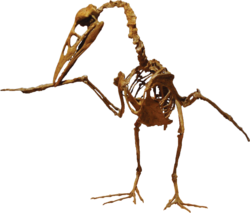
- Ancestry: Birds evolved from theropod dinosaurs, specifically within the Maniraptoromorpha clade.
- Flight: While most birds fly, some have evolved flightlessness to adapt to specific environments.
- Migration: Some species, such as the bar-tailed godwit, perform non-stop migrations of up to 10,200 km.
- Diversity: Avian species vary wildly in size, from 3-gram hummingbirds to 6-kilogram turkeys.
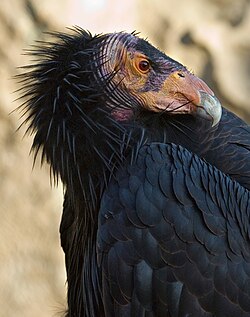
- Conservation: Many species face threats from climate change and biodiversity loss, though conservation efforts have saved others, like the California condor.
Evolution and Classification
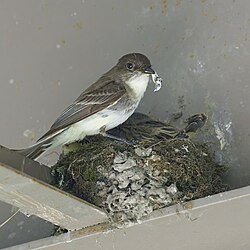
The definition of Aves (the scientific class for birds) varies depending on the taxonomic perspective. It can refer to all archosaurs more closely related to birds than to crocodiles, those advanced archosaurs possessing feathers, or specifically the feathered dinosaurs capable of flight (Avialae).
The transition from dinosaur to bird involved a process of miniaturization and anatomical innovation. Early ancestors like Archaeopteryx are often cited as the oldest known true birds, representing a critical link in the evolutionary chain.
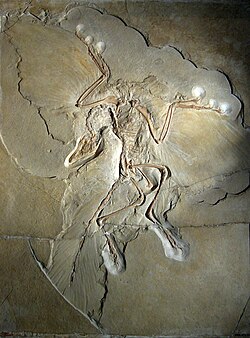
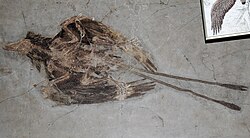
Phylogenetic studies show a complex relationship between modern birds and their prehistoric relatives. Early diversity in the Late Jurassic period is exemplified by species such as Anchiornis huxleyi, while the Cretaceous period saw the emergence of birds with beaks, such as Confuciusornis sanctus.
![Simplified phylogenetic tree showing the relationship between modern birds and other dinosaurs[21]](/images/22/a4/22a4a70c3517429a98efbd50cabdd730e9728e4a108f29d1eb6064638e48efec.png)
![Anchiornis huxleyi is an important source of information on the early evolution of birds in the Late Jurassic period.[27]](/images/10/3a/103a59d4f3486c45fdc543af1883af64ab5aae7e158ec330e908322695202df7.jpg)
Anatomy and Physiology
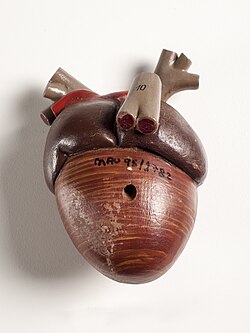
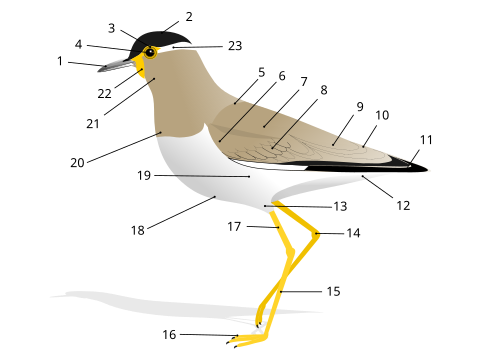
Bird anatomy is highly specialized for flight and energy efficiency. Their skeletal systems are lightweight, and their respiratory and circulatory systems are designed to support the high metabolic demands of flapping flight.
External Features and Feathers
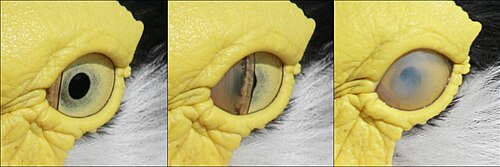
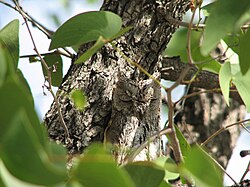
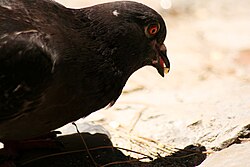
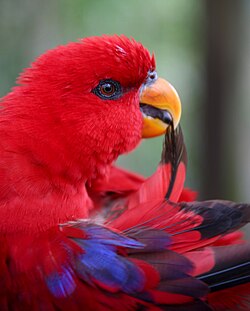
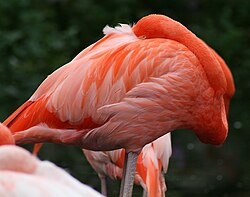
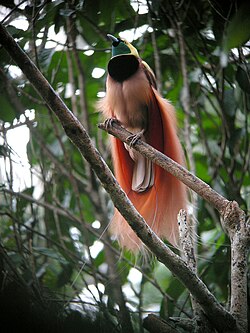
Feathers are the most defining characteristic of birds, used for flight, insulation, and communication. The plumage can be disruptively patterned for camouflage or elaborate for mating displays. Birds also possess a nictitating membrane, a translucent third eyelid that protects the eye while maintaining visibility.
Feeding and Sensory Adaptations
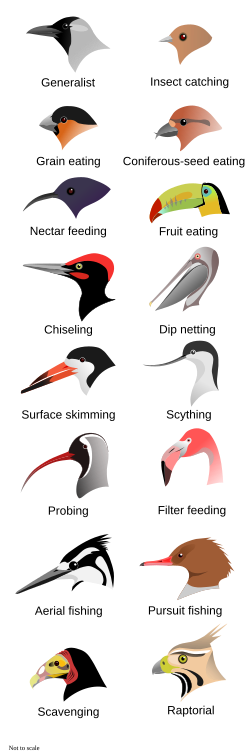
Because birds lack teeth, they have evolved a variety of beak shapes tailored to their specific diets. These adaptations allow them to specialize in everything from nectar-feeding to scavenging carcasses.
Avian Behavior and Ecology
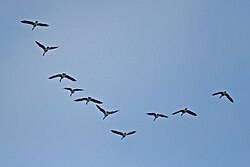
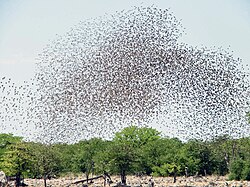
Birds exhibit complex social behaviors and survival strategies. Many species form flocks for protection and efficiency, such as Canada geese flying in a V formation to reduce wind resistance.
Migration and Communication
Migration is one of the most remarkable avian feats. Using satellite tagging, researchers have tracked the bar-tailed godwit on its record-breaking non-stop journey from New Zealand.

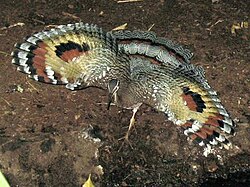
Communication is achieved through a combination of vocalizations (songs) and visual displays. Some species, like the sunbittern, use startling displays to mimic predators and deter threats.
Breeding and Parental Care
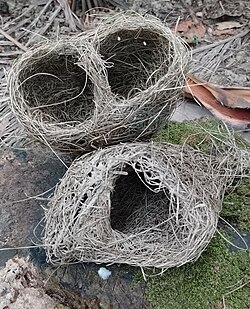
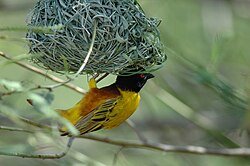
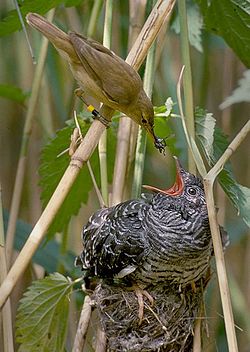
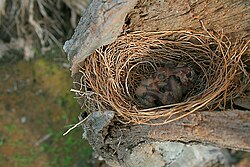
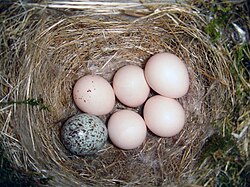
Breeding strategies vary from the construction of elaborate suspended nests by golden-backed weavers to the parasitic behavior of the common cuckoo, which lays its eggs in the nests of other species (brood parasitism).
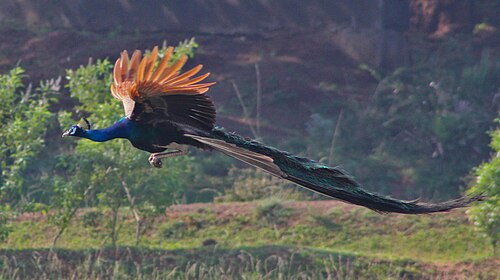
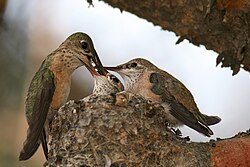
Parental care ranges from altricial chicks (helpless and requiring constant care) to more independent young. Sexual selection often drives the evolution of extreme traits, such as the peacock's tail, which serves as a signal of genetic fitness.
Comparative Breeding and Growth
The following table illustrates the diversity in physical size and reproductive investment across different bird species.
| Species | Adult Weight (g) | Incubation (Days) | Clutches per Year | Clutch Size |
|---|---|---|---|---|
| Ruby-throated hummingbird | 3 | 13 | 2.0 | 2 |
| House sparrow | 25 | 11 | 4.5 | 5 |
| Greater roadrunner | 376 | 20 | 1.5 | 4 |
| Turkey vulture | 2,200 | 39 | 1.0 | 2 |
| Laysan albatross | 3,150 | 64 | 1.0 | 1 |
| Magellanic penguin | 4,000 | 40 | 1.0 | 1 |
| Golden eagle | 4,800 | 40 | 1.0 | 2 |
| Wild turkey | 6,050 | 28 | 1.0 | 11 |
Relationship with Humans and Conservation

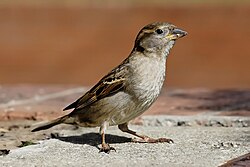
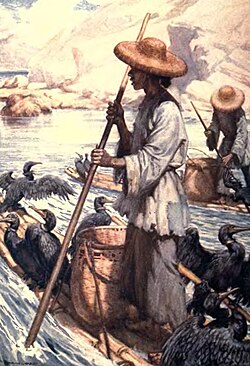
Birds hold significant economic, cultural, and religious importance. While some species like the house sparrow have expanded their range due to human activity, others have faced steep declines.
Conservation efforts are critical for the survival of endangered species. The California condor is a primary example of success, with populations increasing from a low of 22 individuals to over 500 through dedicated intervention.
Frequently Asked Questions


Are birds actually dinosaurs?
Yes, scientifically, birds are considered a lineage of theropod dinosaurs that survived the mass extinction event. They belong to the clade Dinosauria.
What is brood parasitism?
Brood parasitism is a reproductive strategy where a bird, such as the common cuckoo, lays its eggs in the nest of another species, forcing the host parents to raise the parasitic chick.
How do birds migrate such long distances?
Birds use a combination of biological instincts, environmental cues, and specialized physiological adaptations to sustain long flights, with some species traveling over 10,000 km non-stop.
What is the purpose of the nictitating membrane?
The nictitating membrane acts as a third eyelid that protects the eye from debris and moisture while allowing the bird to see, which is especially useful during flight or diving.
Why do some birds have elaborate plumage?
Elaborate plumage is typically a result of sexual selection, where males use bright colors or complex feathers to attract females and demonstrate their health and genetic quality.