Passerine Birds: The Evolution and Diversity of the World's Largest Avian Order
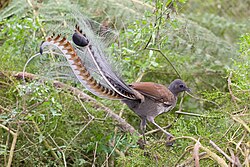
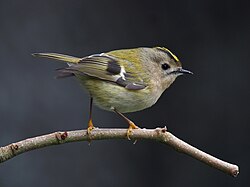
The order Passeriformes represents one of the most successful evolutionary radiations in the history of terrestrial vertebrates. Comprising roughly 60% of all living bird species, passerines are the most diverse group of birds on Earth, with approximately 6,500 identified species organized into about 140 families. From the tiny goldcrest to the complex vocalizations of the lyrebird, this order showcases an extraordinary range of biological and behavioral adaptations.
Passerines originated in the Southern Hemisphere approximately 60 million years ago, during the Eocene epoch. Their evolutionary journey has led to the colonization of nearly every terrestrial habitat on the planet, resulting in a complex taxonomic structure divided into three primary suborders.
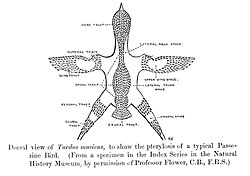
Key Facts
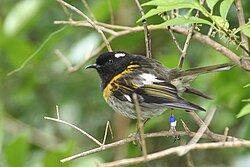
- Species Diversity: Approximately 6,500 species across 140 families.
- Global Dominance: Represents 60% of all known bird species.
- Temporal Range: Eocene to Recent (52.5–0 Ma).
- Origin: Emerged in the Southern Hemisphere roughly 60 million years ago.
- Primary Divisions: Divided into Acanthisitti, Tyranni (suboscines), and Passeri (oscines).
Taxonomic Classification and Diversity
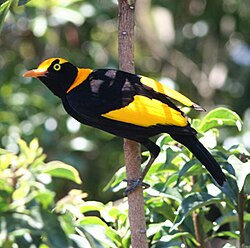
The order Passeriformes is categorized into three distinct suborders, each with unique characteristics and geographic distributions.
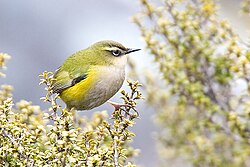
Acanthisitti (New Zealand Wrens)
This is a small, ancient lineage consisting of a single family with seven species, only two of which are still extant. These birds are endemic to New Zealand and represent a basal branch of the passerine tree.
Tyranni (Suboscines)
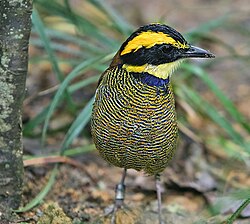
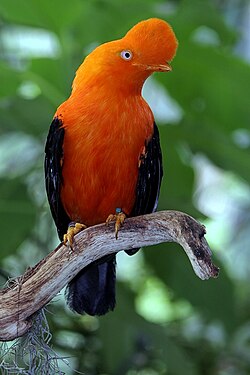
The suboscines comprise 16 families and 1,356 species. While they are primarily found in North and South America (New World suboscines), there are also Old World suboscines, such as the pittas and broadbills.
Passeri (Oscines or Songbirds)
The largest group, the oscines, includes 125 families and 5,158 species. They are characterized by a highly developed syrinx (the vocal organ of birds), which allows for the complex songs for which they are named.
Evolutionary History and Fossil Record
The fossil record provides critical insights into how passerines spread from the Southern Hemisphere to the rest of the world. Early evidence includes various taxa from the Early Oligocene of Europe, such as Wieslochia (a suboscine) and Resoviaornis (an oscine) found in Germany and Poland.
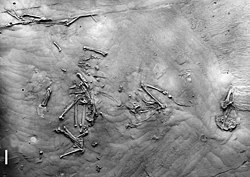
In the Americas, the fossil record extends into the Early Miocene, with significant finds in Argentina that help map the diversification of the New World suboscines. This radiation was often driven by ecological opportunities, such as the development of climbing adaptations in families like the ovenbirds and woodcreepers (Furnariidae).
Comparative Overview of Passerine Suborders
| Suborder | Common Name | Approx. Families | Approx. Species | Primary Distribution |
|---|---|---|---|---|
| Acanthisitti | New Zealand Wrens | 1 | 7 (2 extant) | New Zealand |
| Tyranni | Suboscines | 16 | 1,356 | Americas (mostly) |
| Passeri | Oscines / Songbirds | 125 | 5,158 | Global |
Notable Lineages and Examples
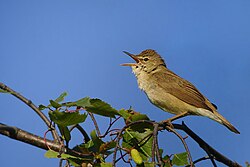
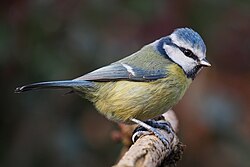
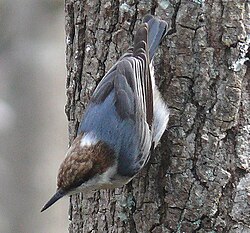
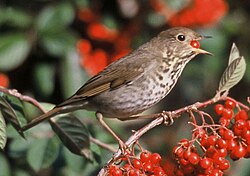
Within the Passeri, diversity is immense. The Corvides include highly intelligent crows and ravens, while the Passerides encompass a vast array of smaller birds. For example, the Sylviida includes tits and larks, and the Muscicapida includes thrushes and nuthatches.
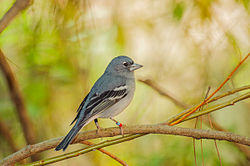
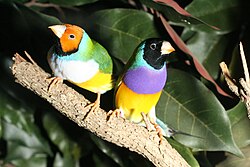
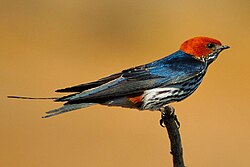
Other specialized groups include the Fringilloidea, which contains colorful finches and tanagers, and the Hirundinoidea, featuring the agile swallows and martins.
Frequently Asked Questions
What is the difference between an oscine and a suboscine?
The primary difference lies in the complexity of their vocal apparatus. Oscines (songbirds) have a more developed syrinx, allowing them to learn and produce complex songs, whereas suboscines have a simpler vocal structure and their songs are largely innate.
Where did passerine birds first evolve?
Evidence suggests that passerines originated in the Southern Hemisphere approximately 60 million years ago before diversifying and spreading globally.
Which suborder is the most diverse?
The suborder Passeri (oscines) is by far the most diverse, containing over 5,000 species across 125 families.
Are all passerines considered songbirds?
While the term "passerine" is often used interchangeably with "songbird," technically only the suborder Passeri are true songbirds. The Acanthisitti and Tyranni are passerines but not oscines.
What is the significance of the New Zealand wrens?
The New Zealand wrens (Acanthisitti) are significant because they represent one of the most basal lineages of the order, providing a critical link in understanding the early evolution of all passerines.