Bird Pellets: The Science of Avian Regurgitation and Diet Analysis
In the world of ornithology, a pellet is a mass of undigested food material that certain bird species periodically regurgitate. While it may seem unusual, this process is a vital biological function that allows birds to manage the indigestible portions of their prey, ensuring their digestive systems remain efficient and healthy.
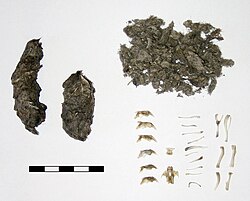
The composition of a pellet varies depending on the bird's diet. Common contents include the exoskeletons of insects, indigestible plant matter, fur, feathers, claws, teeth, and bones. In the specialized practice of falconry, these pellets are referred to as castings.
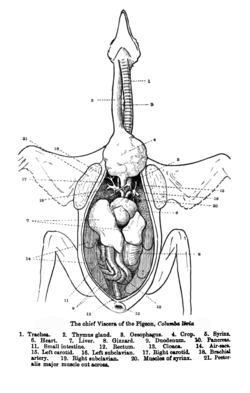
How Pellets are Formed
The process of pellet formation begins in the digestive tract. Pellets are formed within the gizzard (the muscular stomach) approximately six to ten hours after a meal. By regurgitating these masses, birds can clear indigestible material from the proventriculus, which is the glandular stomach.
For birds of prey, this process serves a dual purpose. Beyond simply removing waste, the act of regurgitation helps "scour" the digestive tract, including the gullet, maintaining the overall health of the bird's internal system.
The Role of Pellets in Ornithological Research
Pellets are invaluable tools for scientists. By collecting pellets over time, ornithologists can analyze seasonal variations in a species' eating habits. A primary advantage of this method is that it allows researchers to determine a bird's diet without the need for killing or dissecting the animal.
Depending on the species, pellets are typically found at roosting or nesting sites. Common locations include:
- Hawks and Owls: Often found under coniferous trees.
- Barn Owls: Typically located at the bases of cliffs, barns, or silos.
- Other Owl Species: Found near burrows or in field and marsh grasses.
These pellets vary in appearance; hawk and owl pellets are generally grey or brown and range from spherical to oblong or plug-shaped. In larger birds, they measure one to two inches in length, while in songbirds, they are approximately half an inch. While raptors are well-known for this, many other species produce pellets, including gulls, herons, cormorants, kingfishers, crows, and most shorebirds.
Unexpected Discoveries
Examination of pellets has occasionally revealed surprising items, such as bird bands from smaller prey species. For example, screech owl pellets in the United States have contained bands from American goldfinches, black-capped chickadees, and tufted titmice. In one notable 1966 case, a golden eagle pellet found in Oregon contained a band from an American wigeon that had been placed four months earlier in southern California, over 1,600 km (990 mi) away.
Health and Safety Considerations
It is important to handle pellets with caution. The remains of rodents—including bones, hair, skin fragments, and feces—can carry viable bacteria and viruses. Specifically, outbreaks of Salmonella typhimurium have been documented in schools where students dissected unsterile pellets. Interestingly, rodents in the wild tend to avoid owl pellets, likely due to this infective potential.
Pellets in Falconry: The Practice of Casting
In falconry, casting is a managed process where a hawk is given "roughage" to help purge and cleanse its crop. While wild hawks produce their own castings of fur and feathers, captive hawks are often provided with specific materials to ensure their health.
Common roughage includes plumage (such as the yellow down of day-old rooster chicks, though rabbit fur and game bird feathers are preferred) and soft fine cotton pellets the size of hazelnuts. These are administered after supper and cast out by morning.
Falconers examine these castings to monitor the bird's health:
- Healthy: The casting is round, white, odorless, and not overly moist.
- Ill: The casting appears black, green, slimy, or foul-smelling.
Casting is essential for survival; it clears the crop and removes bacteria from the crop walls. Without this roughage, captive hawks fed only meat can become seriously ill and unable to be released into the wild. Additionally, falconers ensure hawks cast before weighing them to ensure an accurate measurement.
Summary of Bird Pellet Characteristics
| Feature | Raptors (Hawks/Owls) | Songbirds | Falconry (Captive) |
|---|---|---|---|
| Typical Size | 1 to 2 inches | Approx. 0.5 inches | Varies by roughage |
| Common Contents | Bones, fur, feathers, teeth | Insects, plant matter | Cotton, plumage, fur |
| Primary Purpose | Waste removal & scouring | Waste removal | Crop cleansing & health check |
| Formation Site | Gizzard | Gizzard | Crop/Gizzard |
Key Facts
- Pellets are formed in the gizzard 6 to 10 hours after eating.
- They allow birds to remove indigestible materials from the proventriculus.
- Ornithologists use pellets to study diets without harming the birds.
- Pellets can contain biological markers, such as bird bands, revealing migration patterns.
- Unsterile pellets can carry pathogens like Salmonella typhimurium.
- In falconry, "casting" is used to cleanse the crop and diagnose illness.
Frequently Asked Questions
What exactly is a bird pellet?
A pellet is a mass of undigested food—such as bones, fur, and insect exoskeletons—that certain bird species regurgitate to clear their digestive system.
Why do birds of prey produce pellets?
They produce pellets to remove indigestible material from the glandular stomach (proventriculus) and to "scour" the digestive tract, which helps maintain their overall health.
Are owl pellets dangerous to handle?
Yes, they can be. Because they contain rodent remains, they may carry viable bacteria and viruses, including Salmonella. It is recommended that they be sterilized before study.
How do scientists use pellets for research?
Scientists collect pellets from roosting and nesting sites to analyze what a bird has been eating over time, allowing for the study of seasonal diet variations without killing the bird.
What is the difference between a pellet and a casting?
While they are biologically the same, the term "casting" is specifically used within the context of falconry to describe the regurgitated roughage used to cleanse a hawk's crop.
Can pellets tell us where a bird has traveled?
Yes. In some cases, pellets have contained bird bands from prey species captured in entirely different geographic regions, providing evidence of the predator's movement or the prey's origin.