Peregrine Falcon: The World's Most Iconic High-Speed Predator
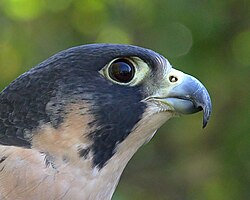
The peregrine falcon (*Falco peregrinus*) is one of the most recognizable and respected birds of prey on the planet. Known for its incredible aerial prowess and widespread distribution, this raptor has captured the human imagination for centuries. From the rugged cliffs of the Mediterranean to the urban skyscrapers of modern cities, the peregrine is a master of its environment.
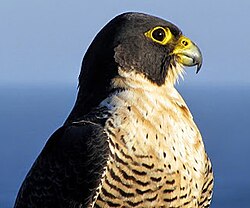
As a member of the family Falconidae, the peregrine falcon is a highly specialized hunter. It is a cosmopolitan species, meaning it can be found across much of the globe, occupying a variety of habitats ranging from coastal cliffs to open tundras and even metropolitan areas.
Key Facts
- Scientific Name: Falco peregrinus
- Conservation Status: Least Concern (IUCN 3.1)
- CITES Status: Appendix I
- Sexual Dimorphism: Females are significantly larger than males, often up to 30% larger.
- Global Presence: Found on nearly every continent.
Physical Characteristics and Sexual Dimorphism
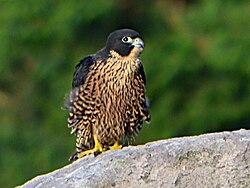
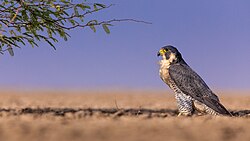
The peregrine falcon possesses a streamlined body designed for extreme speed. Adults typically have a body length of 34 to 58 cm (13–23 in) and a wingspan ranging from 74 to 120 cm (29–47 in). While males and females share similar plumage markings, they exhibit marked sexual dimorphism—a biological term describing the distinct difference in size or appearance between males and females of the same species.
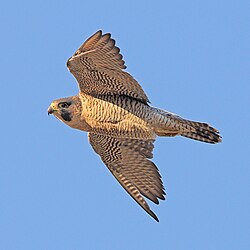
In the world of peregrines, the females are the larger sex. Males generally weigh between 330 and 1,000 g (12–35 oz), whereas females can weigh between 700 and 1,500 g (25–53 oz). In many subspecies, it is common for a female to weigh approximately 50% more than her male breeding mate. Standard measurements for the species include a wing chord of 26.5 to 39 cm, a tail length of 13 to 19 cm, and a tarsus (the lower part of the leg) of 4.5 to 5.6 cm.
Subspecies and Global Variations
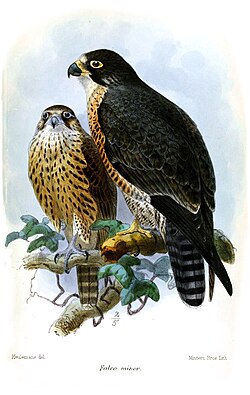
Taxonomists have identified numerous subspecies of the peregrine falcon. While the exact number varies between scientific bodies—with the IOC World Bird List recognizing 18 and other handbooks suggesting 19—these variations reflect the bird's adaptation to different climates and regions.
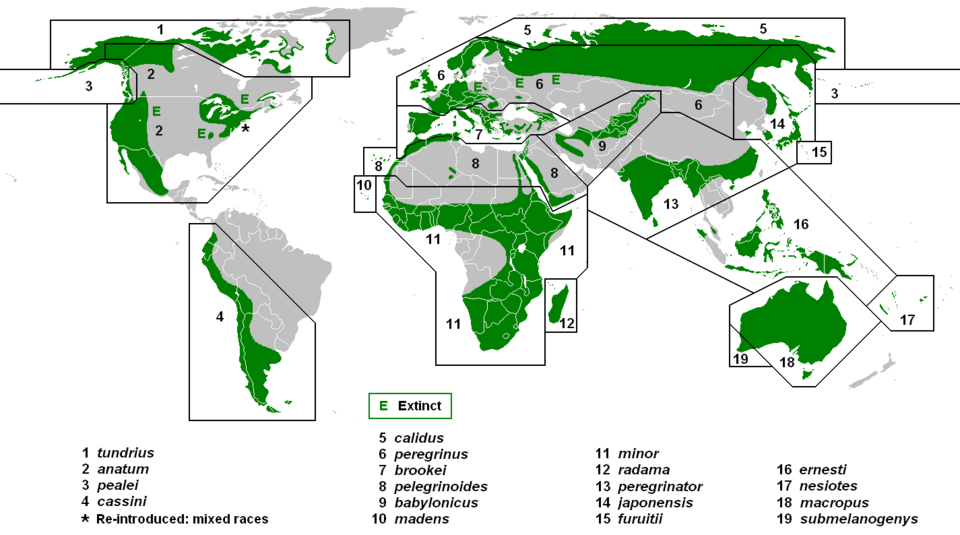
Some notable subspecies include:
- Falco peregrinus anatum: Known as the American peregrine falcon or "duck hawk," it is primarily found in the Rocky Mountains.
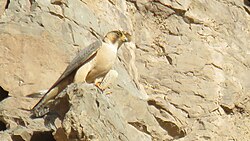
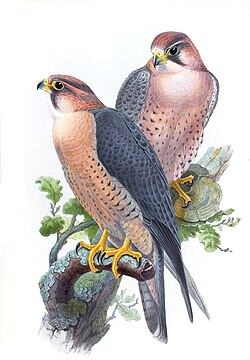
- Falco peregrinus babylonicus: Found in eastern Iran and parts of India, this subspecies is paler and resembles a small lanner falcon.
- Falco peregrinus brookei: Often called the Mediterranean or Maltese falcon, these birds inhabit the Iberian Peninsula and the Caucasus.
Ecology and Behavior
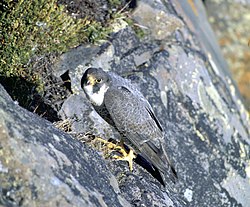
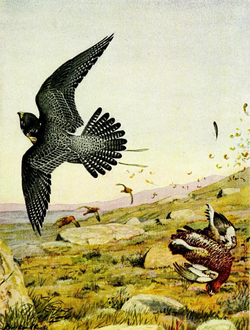
The peregrine falcon is a highly efficient predator. Its hunting strategy often involves high-speed dives, known as stoops, to strike prey mid-air. This specialized hunting method requires immense precision and strength.

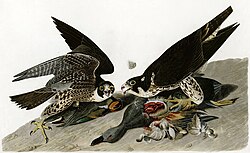
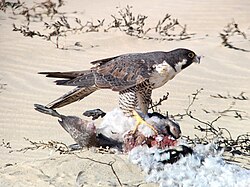
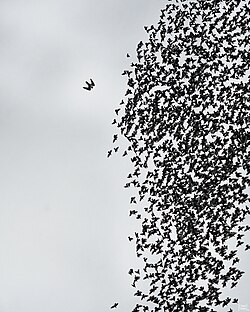
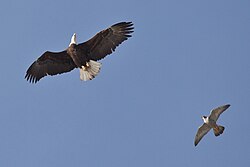
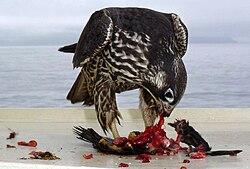
Their diet is diverse, often consisting of other birds. They have been observed hunting everything from common starlings to ducks and geese. In some regions, they even compete with or chase away larger raptors like bald eagles to protect their nesting territories.
Habitat and Nesting
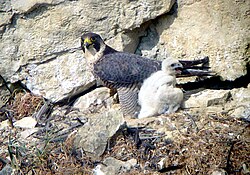
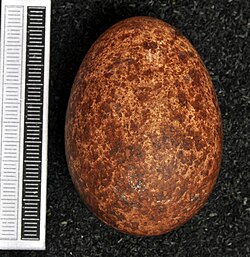
Peregrines are highly adaptable. While they traditionally nest on cliff faces, they have successfully transitioned to using urban structures as artificial cliffs. Their nesting sites, or eyries, provide a vantage point from which they can monitor their territory and hunt effectively.
Conservation and Recovery
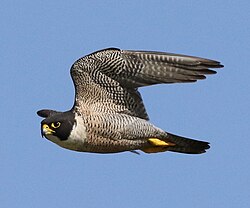
The history of the peregrine falcon is a significant success story in wildlife conservation. In the mid-20th century, populations crashed globally, largely due to the use of certain pesticides. However, intensive conservation and protection efforts have led to a remarkable recovery.
In the United Kingdom, organizations like the Royal Society for the Protection of Birds (RSPB) have helped populations bounce back, with thousands of breeding pairs recorded. Similarly, in Canada, the species was declared no longer at risk in December 2017 after being identified as endangered in the late 1970s.
Summary of Species Data
| Feature | Details |
|---|---|
| Kingdom | Animalia |
| Class | Aves |
| Order | Falconiformes |
| Family | Falconidae |
| Genus | Falco |
| Species | F. peregrinus |
Frequently Asked Questions
How fast can a peregrine falcon fly?
The peregrine falcon is renowned for its speed, particularly during its characteristic hunting dive, or stoop.
Why are female peregrine falcons larger than males?
This is an example of sexual dimorphism, which is common in many birds of prey and can provide evolutionary advantages in hunting and nesting.
What do peregrine falcons eat?
They are primarily avian predators, feeding on a variety of birds including ducks, geese, and starlings.
Are peregrine falcons endangered?
Currently, the species is listed as "Least Concern" by the IUCN, following successful recovery efforts from previous population declines.
Where can I find peregrine falcons?
They have a global range and can be found in diverse habitats, including mountains, coasts, and even large cities.