Bald Eagle: The Majestic Icon of North American Skies
The bald eagle (*Haliaeetus leucocephalus*) is perhaps one of the most recognizable birds in the world. A powerful raptor belonging to the family Accipitridae, this species has captured the human imagination for centuries, serving as a profound cultural symbol and a testament to successful wildlife conservation.
Tracing its lineage back to the Pleistocene epoch, the bald eagle is a master of its environment. Whether soaring over coastal waters or nesting in dense forests, its presence is a hallmark of healthy ecosystems across North America.
Key Facts
- Scientific Name: Haliaeetus leucocephalus
- Conservation Status: Least Concern (IUCN 3.1)
- Primary Diet: Primarily fish, but also includes birds, mammals, and reptiles.
- Symbolism: National bird of the United States.
- Subspecies: Includes the Southern bald eagle and the Northern bald eagle.
Scientific Classification and Subspecies
Taxonomically, the bald eagle is classified within the order Accipitriformes. While the species is widely distributed, scientists recognize two distinct subspecies:
- H. l. leucocephalus: Known as the Southern bald eagle.
- H. l. washingtoniensis: Known as the Northern bald eagle.
Physical Characteristics and Development

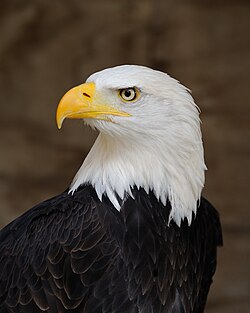
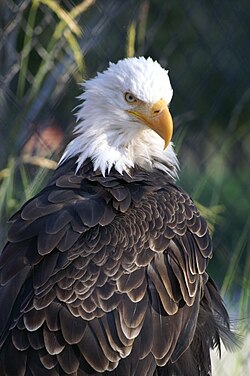
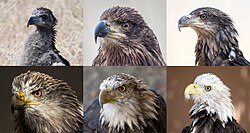
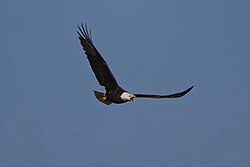
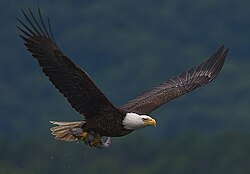
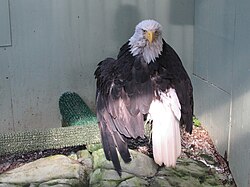
The most striking feature of an adult bald eagle is its eponymous white head, which contrasts sharply with its dark brown body and bright yellow beak. However, these iconic markings are not present from birth. Young eagles undergo a significant transformation as they mature.
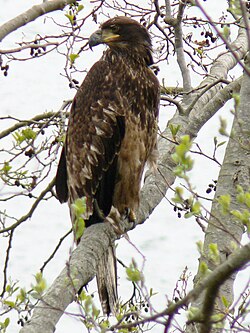
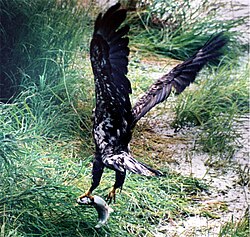
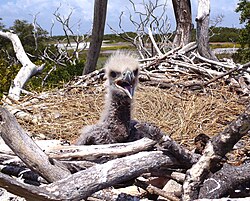
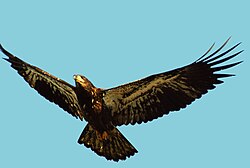
Juvenile bald eagles lack the white head and tail, instead sporting mottled brown plumage. It takes several years for an individual to achieve its full adult appearance. This transition involves the lightening of the eyes, the yellowing of the beak, and the gradual whitening of the head.
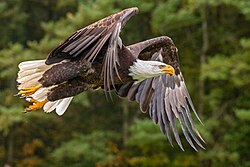
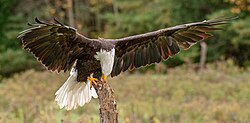
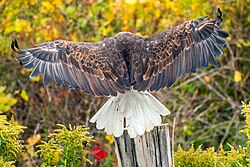
Beyond their color, bald eagles are built for power. They possess massive wingspans and specialized feet. Their toes are equipped with spiny papillae—small, rough bumps on the toepads that provide a superior grip when snatching slippery prey from the water.

Habitat and Range
Bald eagles are highly adaptable but generally prefer habitats that provide proximity to open water and abundant food sources. Their range is vast, encompassing much of North America. Depending on the region, they may function as breeding residents, summer visitors, or winter visitors.
Diet and Hunting Behavior
As opportunistic predators, bald eagles have a diverse diet. While they are most famous for their ability to hunt fish, they are not limited to aquatic prey. Their hunting strategies and diet include:
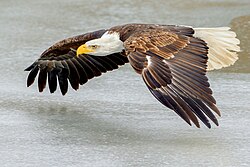
- Fish: A primary food source, often caught mid-flight or snatched from the surface.
- Birds: They have been known to hunt waterfowl, such as coots and murres, and even pursue ospreys to steal their catch.
- Mammals: They may prey on small mammals like rabbits or even larger animals such as deer fawns and sheep in certain circumstances.
- Carrion: They are known to scavenge on carcasses, including whales.

![Feeding on catfish and other various fishes.[73] Painted by John James Audubon.](/images/6d/a6/6da6718aca657675508b5808e31aa16713d206d6560501a69091de14e475941d.jpg)


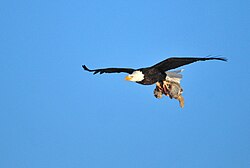
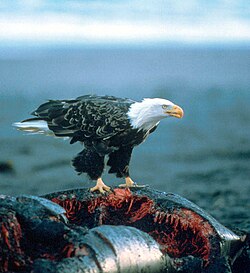
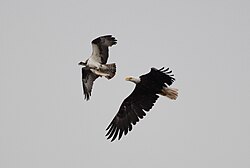
In addition to hunting, bald eagles engage in kleptoparasitism—the act of stealing food from other animals. This can include harassing sea otters or other birds to force them to relinquish their prey.
Reproduction and Life Cycle
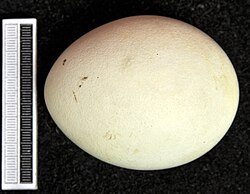
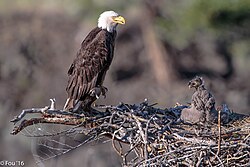
The life of a bald eagle begins in a large nest, often built high in trees. Reproduction involves complex behaviors, including specialized mating rituals such as the "mating dance," where pairs may lock talons and spiral toward the ground in a controlled free-fall.
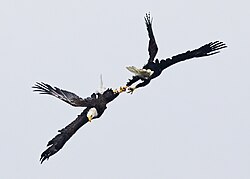
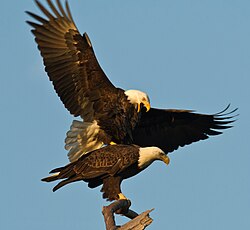
Following mating, the female lays eggs. The development of the chick is a critical period, requiring significant parental care to ensure survival through the fledgling stage.
Conservation and Cultural Significance
The history of the bald eagle is a remarkable story of recovery. Once facing significant population declines, the species was protected by various laws, including the Bald and Golden Eagle Protection Act. In 1994, a major milestone was reached when the species was no longer considered endangered in the United States.

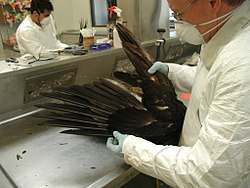
Today, the bald eagle holds immense cultural weight. It is a central figure in Native American cultures and serves as the national symbol of the United States. Even in modern times, the bird remains a subject of intense interest, from museum specimens to managed releases and educational programs.

Summary of Bald Eagle Profile
| Category | Details |
|---|---|
| Kingdom | Animalia |
| Phylum | Chordata |
| Class | Aves |
| Order | Accipitriformes |
| Family | Accipitridae |
| Genus | Haliaeetus |
| Species | H. leucocephalus |
Frequently Asked Questions
How long does it take for a bald eagle to get its white head?
Bald eagles do not have white heads immediately. They undergo a gradual change in plumage, and it typically takes several years for a juvenile to develop the characteristic white head and tail of an adult.
What do bald eagles primarily eat?
While they are opportunistic and will eat birds, mammals, and reptiles, fish make up a significant portion of their diet.
Are bald eagles endangered?
No. While they faced significant declines in the past, the bald eagle is currently listed as "Least Concern" by the IUCN and has been removed from the endangered species list in the United States.
What is the difference between a bald eagle and an osprey?
While both are raptors that eat fish, they are different species. Bald eagles are larger and have different plumage patterns; they are also known to occasionally pursue ospreys to steal their food.
Where do bald eagles live?
They are found throughout much of North America, often near large bodies of open water such as lakes, rivers, and coastal areas.