Herons: Biology, Behavior, and Diversity of the Ardeidae Family
Herons are medium- to large-sized birds characterized by their long legs and elongated necks. Belonging to the family Ardeidae, these carnivorous birds are primarily associated with freshwater and coastal wetlands. While commonly referred to as herons, this diverse family also includes birds known as egrets and bitterns.
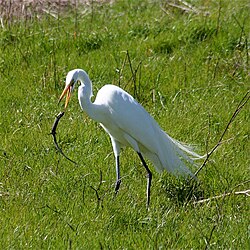
Egrets are not biologically distinct from herons; they are typically named differently because they are predominantly white or possess decorative plumes during the breeding season. Bitterns, including members of the genus Botaurus and the zigzag heron (Zebrilus), form a specific monophyletic group known as Botaurinae. Through evolutionary adaptation, all members of this family possess long beaks suited for precision hunting.
Key Facts
- Species Count: There are 75 recognized species divided into 18 genera.
- Distinctive Flight: Unlike storks or cranes, herons fly with their necks retracted in an S-shape.
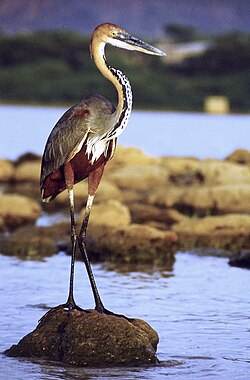
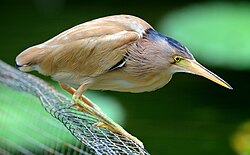
- Size Range: Sizes vary from the dwarf bittern (25–30 cm) to the goliath heron (up to 152 cm).
- Diet: Primarily carnivorous, feeding on fish, amphibians, reptiles, and crustaceans.
- Classification: Now classified under the order Pelecaniformes.
Physical Characteristics
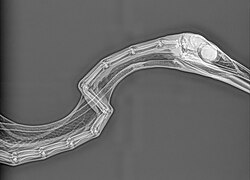
The most defining physical trait of the heron is the modified shape of its cervical vertebrae (numbering 20 or 21), which allows the bird to fold its neck into a tight S-shape. This retraction occurs during flight, a key feature that distinguishes them from other long-necked birds.
Their legs are long and strong, typically unfeathered from the lower part of the tibia, with the exception of the zigzag heron. Their bills are generally harpoon-like, though shapes vary significantly—from the extremely narrow bill of the agami heron to the broad, thick bill of the boat-billed heron.
Plumage colors typically range through blue, black, brown, grey, and white. While day herons show little sexual dimorphism (differences between sexes), night herons and smaller bitterns often exhibit distinct plumage differences between males and females. Some species also display color morphs; for instance, the Pacific reef heron exists in both light and dark forms.
Distribution and Habitat

Herons are highly mobile and most species are at least partially migratory. They often disperse widely after breeding to find new feeding grounds and reduce competition near their colonies. Migration typically takes place at night, either individually or in small groups.
While most species are tied to water, some, such as the cattle egret, forage far from wetlands. Cattle egrets often follow large grazing animals to catch insects flushed out by the animals' movement, a strategy that can increase prey capture success by 3.6 times compared to solitary foraging.
Feeding Behavior and Ecology
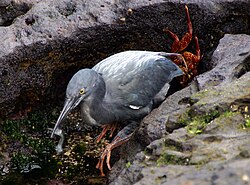
As carnivores, herons consume a wide array of aquatic prey, including fish, molluscs, crustaceans, and aquatic insects. Some species are specialists, such as the yellow-crowned night heron, which focuses on crabs.
Herons employ various hunting strategies:
- Passive Hunting: Sitting and waiting for prey to approach.
- Active Hunting: Walking slowly (often fewer than 60 paces per minute) or using "foot stirring" and probing to flush out hidden prey.
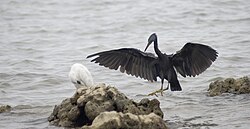
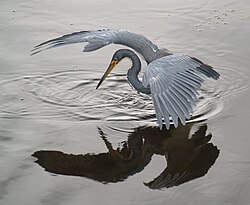
- Canopy Hunting: The black heron uses its wings to form an umbrella-like canopy to shade the water and attract or frighten prey.
- Baiting: Some species, like the little egret and grey heron, use items such as bread, seeds, or insects to lure fish.

Breeding and Nesting
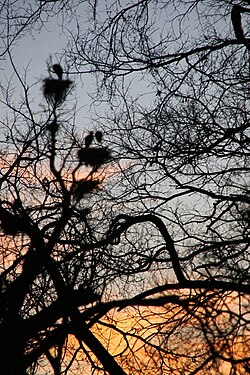
Heron nests are typically located in vegetation near or above water. Many species nest colonially in treetops, while bitterns prefer reed beds. In some urban areas, colonies have been established in cities where human interference is minimal.
Clutch sizes generally range from three to seven eggs, though this varies by species and latitude; birds in temperate climates typically lay more eggs than those in tropical regions. Most eggs are glossy blue or white, though large bitterns lay olive-brown eggs.
Taxonomy and Classification
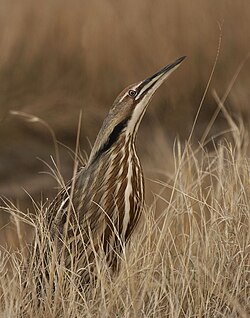
Historically classified under Ciconiiformes, a 2008 study led the International Ornithological Congress to reclassify Ardeidae under the order Pelecaniformes. The family is divided into several subfamilies, including Tigriornithinae (tiger herons), Cochleariinae (boat-billed heron), Agamiinae (agami heron), Botaurinae (bitterns), and Ardeinae (day, night, and pond herons).
| Subfamily | Key Genera | Notable Species/Traits |
|---|---|---|
| Tigriornithinae | Tigrisoma, Tigriornis | Tiger herons |
| Cochleariinae | Cochlearius | Boat-billed heron |
| Agamiinae | Agamia | Agami heron |
| Botaurinae | Botaurus, Zebrilus | Bitterns; known for "booming" calls |
| Ardeinae | Ardea, Egretta, Nycticorax | Typical herons, egrets, and night herons |
Frequently Asked Questions
What is the difference between a heron and an egret?
Biologically, there is no distinct difference; egrets are members of the heron family (Ardeidae). They are generally distinguished by their white plumage or decorative breeding plumes.
Why do herons fly with their necks tucked in?
Herons have modified cervical vertebrae that allow them to retract their necks into an S-shape. This is a characteristic flight posture that distinguishes them from similar birds like storks or cranes, which fly with necks outstretched.
What is "booming" in bitterns?
Booming refers to the loud, characteristic calls used by males of larger bittern species, such as the American bittern, to advertise for mates.
Do herons eat anything other than fish?
Yes. While they primarily eat aquatic prey, they also consume reptiles, amphibians, crustaceans, molluscs, and insects. Some species opportunistically eat rodents, birds, eggs, and occasionally carrion.
Which is the largest heron species?
The goliath heron is the largest species, reaching heights of up to 152 cm (60 in).