Bici Stencils: Fernando Traverso's Art of Memory in Rosario
In the streets of Rosario, Argentina, a simple image of a bicycle serves as a powerful testament to a dark chapter of national history. What began as a personal act of mourning by artist and activist Fernando Traverso has evolved into a global symbol of human rights and remembrance. Through the use of stencils and street art, Traverso transforms urban spaces into living memorials for those lost to state violence.
The project focuses on the victims of the Dirty War, a period of state-sponsored terrorism during Argentina's military dictatorship and the National Reorganization Process (1976–1983). During this era, thousands of citizens were abducted, tortured, and killed by the regime.
Key Facts
- Origin: Started on March 24, 2001, by Fernando Traverso in Rosario, Argentina.
- Symbolism: The bicycle represents the primary transport of resistance members; abandoned bikes were often the first sign of a person's disappearance.
- Scale: Originally 29 stencils for Traverso's friends; now 350 images representing every disappeared citizen of Rosario.
- Global Reach: The "bici" image is now used internationally to remember victims of various Latin American dictatorships.
- Philosophy: The art aims to prevent the "ultimate triumph" of the repressor: forgetting.
The History Behind the Bici
For many members of the resistance during the 1976 coup d'etat of Isabel Perón and the subsequent de facto presidency of Jorge Rafael Videla Redondo, bicycles were the primary mode of transportation. When individuals were abducted by the military, their bicycles were often left behind in the street.
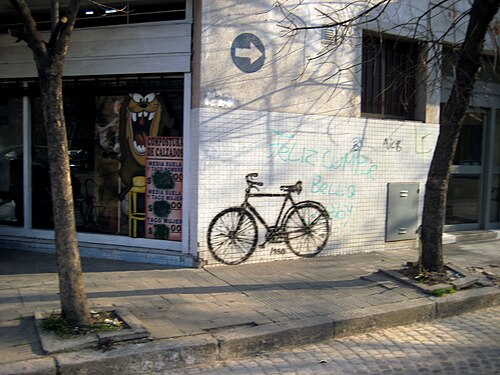
These abandoned bicycles became haunting markers of absence. Recognizing this, Traverso began spray painting life-sized bicycle stencils on city buildings to make these ephemeral memorials permanent. By doing so, he ensured that the physical space of the city would forever acknowledge the void left by the disappeared.
Memory Art and Institutional Remembrance
Argentina has employed various methods to process the atrocities of the Dirty War, ranging from the 1984 state-sponsored Nunca Más (Never Again) truth commission to the establishment of dedicated museums. This movement is known as memory art—a symbolic means of negotiating the past for affected communities and the global public.
The Museum of Memory
Rosario is home to Argentina's first official Museum of Memory, directed by Ruben Chababo. Opened in 2004 and moved to a permanent location in 2010, the museum avoids a strict chronological timeline to prevent implying a clean "before" and "after" the dictatorship. Instead, it is organized by aesthetic themes, such as clandestine imprisonments and the struggle for justice.
Despite the museum's importance, Chababo has noted that the city's true memory art is not found within institutional walls, but rather in the streets themselves through Traverso's work.
Expanding the Symbol Globally
The "bici" has transcended the borders of Rosario to become an international icon for those disappeared under military dictatorships across Latin America, particularly during the 1970s. Traverso has collaborated with various human rights organizations to raise awareness about ongoing disappearances worldwide.
Bicycles on the Border
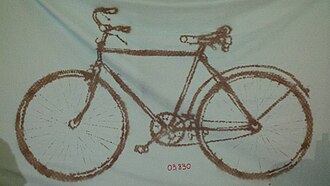
In 2009, Traverso extended his work to the US-Mexico border. Collaborating with the Universidad Autónoma de Ciudad Juárez (UACJ) and the University of Texas at El Paso (UTEP), he launched "Bicycles on the Border." Students and community members printed bike images on large fabric banners and photographed them in locations evoking loss, injustice, and disappearance.
This led to the project El Nieto de Herminia (Herminia's Grandson), where the bici image was placed in family photographs in the position of the missing relative, symbolizing their enduring presence in the family's heart despite their physical absence.
Current Initiatives
Traverso continues to evolve his memorial work. His most recent project involves numbering real, abandoned bicycles. He encourages cyclists to rescue bikes that have been left for years, mirroring the way younger generations of Argentinians are now demanding recognition and justice for the disappeared.
| Aspect | Details |
|---|---|
| Artist | Fernando Traverso |
| Primary Location | Rosario, Argentina |
| Symbol | Life-sized bicycle stencils |
| Total Rosario Images | 350 |
| Historical Context | National Reorganization Process (1976–1983) |
| Key Projects | Bicycles on the Border, El Nieto de Herminia |
Frequently Asked Questions
Why is a bicycle used as the symbol for the disappeared?
Bicycles were the main transport for many resistance members. When they were abducted, their bikes were often left abandoned in the street, making the bicycle the first physical sign that someone had been disappeared.
How many bici stencils are there in Rosario?
There are currently 350 stenciled images, each representing one of the 350 citizens of Rosario who disappeared during the military dictatorship.
What is the purpose of "memory art"?
Memory art serves as a symbolic tool for artists and communities to negotiate, process, and remember past atrocities, ensuring that history is not forgotten or erased.
How has the Bici project expanded beyond Argentina?
The symbol has been adopted internationally to remember victims of Latin American dictatorships. Traverso has also conducted workshops and projects at the US-Mexico border to address contemporary issues of disappearance and injustice.
What is the significance of the Museum of Memory in Rosario?
As Argentina's first official Museum of Memory, it provides a nuanced narration of the dictatorship through thematic exhibits rather than a chronological timeline, focusing on themes like truth, justice, and imprisonment.