Bessie Smith: The Life and Legacy of the Empress of the Blues
During the vibrant era of the Jazz Age, one voice rose above the rest to define the sound of a generation. Bessie Smith, affectionately known as the "Empress of the Blues," was the most popular female blues singer of the 1930s. Her powerful vocals and emotive storytelling not only made her a superstar of her time but also established her as a foundational influence for future jazz and blues vocalists.
Inducted into the Rock and Roll Hall of Fame in 1989, Smith's impact extends far beyond her chart-topping hits. She broke barriers for African-American entertainers, achieving unprecedented financial success and artistic autonomy during a period of intense social stratification.
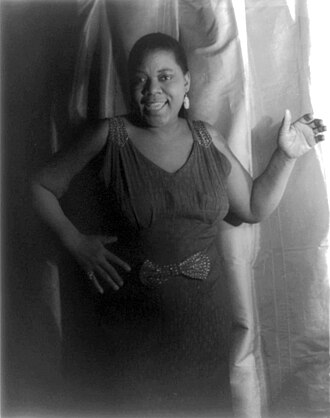
Key Facts
- Nickname: Empress of the Blues (formerly Queen of the Blues).
- Active Years: 1912–1937.
- Major Labels: Columbia and Okeh.
- Key Achievement: Highest-paid Black entertainer of her era.
- Legacy: Inductee of the Rock and Roll Hall of Fame and the Grammy Hall of Fame.
Early Life and Beginnings
The exact details of Bessie Smith's birth vary by record. The 1900 census suggests she was born in Chattanooga, Tennessee, in July 1892. However, the 1910 census and subsequent family records list her birth date as April 15, 1894. Regardless of the date, her early years were spent in a large family with several older siblings or half-siblings.
Smith's professional journey began around 1913 at the "81" Theater in Atlanta. By 1920, she had built a formidable reputation across the American South and East Coast, performing in an era where the recording industry had largely ignored Black audiences.
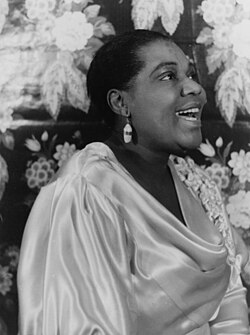
The Rise to Recording Stardom
The landscape of the music industry shifted when Mamie Smith (no relation) recorded "Crazy Blues" for Okeh Records, selling over 100,000 copies. This success revealed a massive, untapped market for female blues singers. In 1923, talent agent Frank Walker, who had seen Bessie perform years prior, signed her to Columbia Records.
Her first session took place on February 15, 1923, engineered by Dan Hornsby. Her debut release, "Downhearted Blues" backed with "Gulf Coast Blues," became an immediate hit. Smith also became a pioneer for race records—a marketing term used by record companies for music recorded by African Americans and marketed specifically to Black audiences. Her track "Cemetery Blues," released on September 26, 1923, was the first issued in Columbia's dedicated race records series.

Life at the Peak of Fame
At the height of her career, Bessie Smith was a powerhouse of independence. She married security guard Jack Gee on June 7, 1923, the same day her first record was released. As the highest-paid Black entertainer of her day, she managed her own shows, which sometimes featured up to 40 performers, and traveled in her own custom-built railroad car.
Even as the musical landscape shifted toward the Swing era, Smith remained relevant. In 1933, John Henry Hammond—the mentor to Billie Holiday—recorded four sides for her with Okeh. While Hammond later claimed to have found her in semi-obscurity working as a hostess in a Philadelphia speakeasy, records indicate she was still touring during the 1933 sessions and did not work at Art's Cafe on Ridge Avenue until the summer of 1936.
Death and Final Years
Bessie Smith's life was cut short on September 26, 1937, at the age of 45. Her passing marked the end of an era for classic blues.
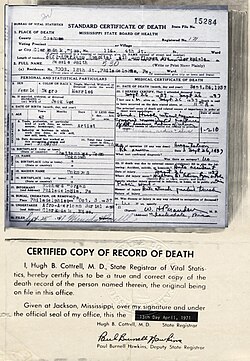
For many years, her final resting place remained an unmarked grave, though her musical legacy continued to grow in the decades following her death.
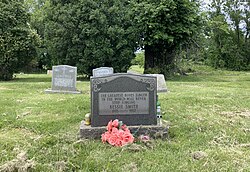
Musical Legacy and Discography
Between 1923 and 1933, Smith recorded a total of 160 tracks: 156 for Columbia Records and 4 for its subsidiary, Okeh. Her work has been meticulously preserved and reissued, most notably in the 1970s and again in the 1990s as The Complete Recordings.
Her contributions have been recognized by the highest honors in music, including the Grammy Lifetime Achievement Award and induction into the National Women's Hall of Fame.
| Category | Details |
|---|---|
| Primary Genres | Classic Blues, Jazz |
| Total Recordings | 160 tracks (156 Columbia, 4 Okeh) |
| Major Hits | "Downhearted Blues", "St. Louis Blues", "Empty Bed Blues" |
| Hall of Fame Inductions | Rock and Roll, Blues, Big Band and Jazz, National Women's |
| Notable Recognition | Time's Woman of the Year for 1923 (selected in 2019) |
Frequently Asked Questions
What was Bessie Smith's nickname?
She was widely known as the "Empress of the Blues," and was previously referred to as the "Queen of the Blues."
Which record label did Bessie Smith primarily record for?
The majority of her work was recorded for Columbia Records, though she also recorded four tracks for the subsidiary label Okeh.
What were some of her most successful songs?
Some of her biggest hits include "Downhearted Blues," which reached number one on the US Pop charts in 1923, as well as "St. Louis Blues" and "Empty Bed Blues."
How did Bessie Smith influence the music industry?
Smith was a pioneer for African-American artists, becoming the highest-paid Black entertainer of her time and helping to establish the commercial viability of the "race records" market.
When was she inducted into the Rock and Roll Hall of Fame?
Bessie Smith was inducted into the Rock and Roll Hall of Fame in 1989.