Bern: The Historic Heart and Political Center of Switzerland
Bern serves as a captivating blend of medieval charm and modern governance. As the seat of the Swiss federal government, it balances its role as a political powerhouse with a preserved architectural heritage that transports visitors back in time. Defined by the sweeping loop of the Aare River, the city is a hub of culture, academia, and diplomacy.
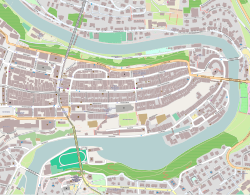
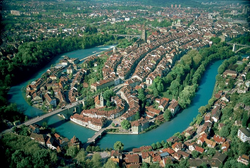
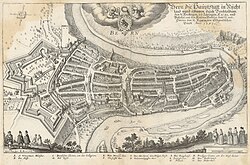
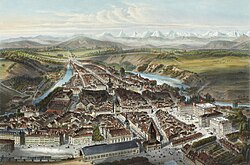
The city's layout is famously characterized by its peninsula-like Old City, which is surrounded on three sides by the turquoise waters of the Aare. This natural fortification shaped the city's growth and continues to define its scenic beauty today.
Key Facts
- Population: 134,794 (as of December 2020).
- Geography: Located in the Bern-Mittelland administrative district of the Canton of Bern.
- Elevation: Ranges from 481 m at the Aare to 674 m at Könizberg.
- Government: Led by a 5-member Executive (Gemeinderat) and an 80-member Parliament (Stadtrat).
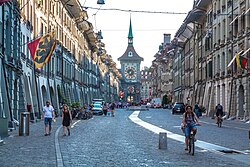
- Key Landmark: The Zytglogge, a historic medieval clock tower.
Geography and Climate
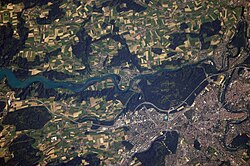
Bern is situated at an average elevation of 540 meters. The topography is dominated by the Aare River, which flows in a wide loop around the Old City, creating a distinct geographic boundary.
The climate is temperate, with distinct seasonal variations. Annual precipitation averages 1,021.8 mm, with the heaviest rainfall typically occurring in May and August. Winter temperatures can drop significantly, with a record low of -23.0°C, while summer peaks can reach up to 37.0°C.
| Metric | Winter (Jan) | Summer (July) | Annual Average |
|---|---|---|---|
| Mean Daily Max (°C) | 3.4 | 24.6 | 14.0 |
| Mean Daily Min (°C) | -2.9 | 13.0 | 4.7 |
| Average Precipitation (mm) | 60.3 | 108.0 | 1,021.8 |
| Sunshine Hours | 66.1 | 245.2 | 1,797.1 |
History and Architecture
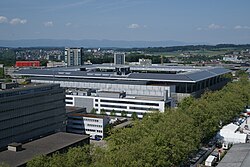
Bern's history is etched into its stone. From its early days and involvement in the Old Swiss Confederacy to its modern status, the city has maintained a cohesive aesthetic. The Lauben, or covered shopping promenades, are a signature feature of the medieval city center, providing shelter for shoppers and pedestrians.
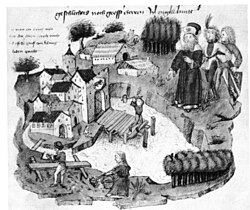
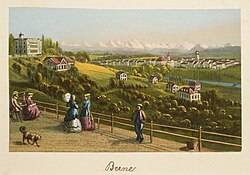
The city's evolution is visible through various historical records, from 15th-century chronicles of the Untertorbrücke (Lower Gate Bridge) to 19th-century lithographies showing the city's expansion toward the Alps.
Major Landmarks
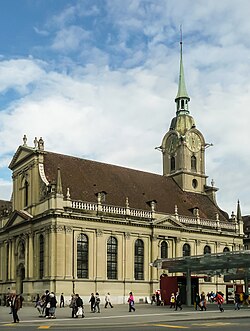
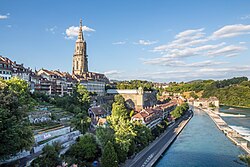
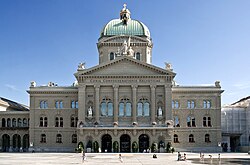
The skyline is dominated by the Bern Minster and the Federal Palace of Switzerland, the central building of the national government.
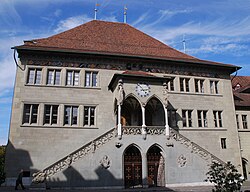
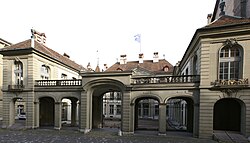
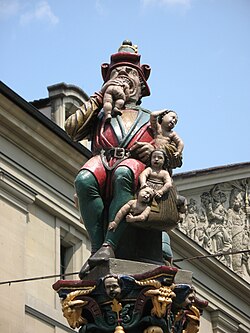
Other notable sites include the Rathaus (Town Hall), the Erlacherhof, and the Kindlifresserbrunnen, a fountain featuring an ogre with a sack of children.
Politics and Demographics
As of January 2025, the city is led by Mayor Marieke Kruit. The political landscape is diverse, with the Stadtrat (Parliament) comprising members from various parties, including the SP/PS, GB, and glp/pvl.
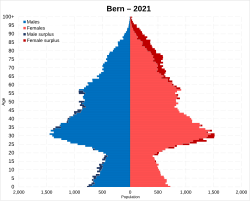
The population has fluctuated over the centuries, peaking in 1970 at 162,405 before stabilizing around 134,794 in 2020. The city is home to a significant international community, with the largest foreign-born populations hailing from Germany, Italy, and Spain.
Culture, Education, and Economy
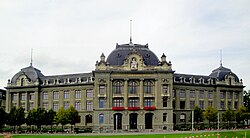
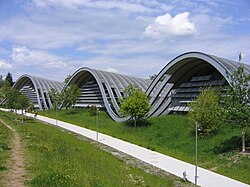
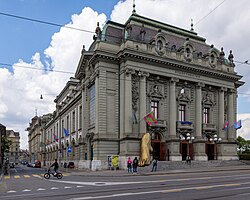
Bern is a center for intellectual and artistic pursuit. The University of Bern is a primary academic institution, while the Zentrum Paul Klee celebrates the work of the renowned artist.
The city's cultural life is enriched by the Stadttheater and various festivals, such as the Gurtenfestival and the Bernese Fasnacht (Carnival). In the realm of business, Bern has a history of innovation, notably with Rodolphe Lindt, who founded the famous chocolate factory.
Notable Figures
Bern has been home to many influential individuals across various fields:
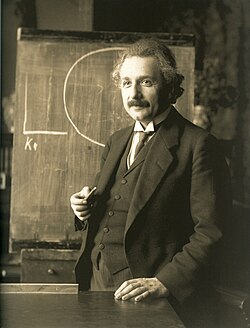
- Science: Albert Einstein lived and worked in Bern, contributing to his groundbreaking theories.
- Literature: Johann David Wyss, author of The Swiss Family Robinson.
- Diplomacy: Kofi Annan, former UN Secretary-General.
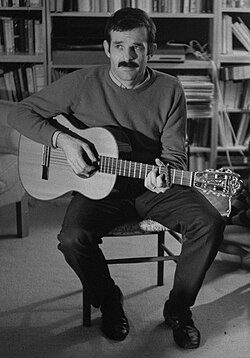
- Arts: Ferdinand Hodler and Mani Matter.
Transport and Infrastructure
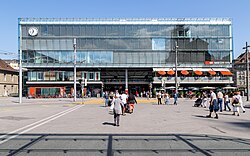
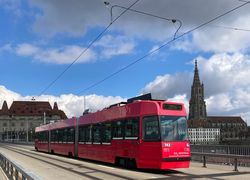
The city is well-connected via the Bern railway station and an efficient public transport network, including trams that cross the Kirchenfeldbrücke.
Frequently Asked Questions


What is the significance of the Zytglogge?
The Zytglogge is a medieval clock tower that serves as one of Bern's most iconic landmarks and a symbol of the city's historical timekeeping.
Which river flows through Bern?
The Aare River flows through the city, looping around the Old City and providing a natural geographic boundary.
Who is the current Mayor of Bern?
As of January 2025, the Mayor (Stadtpräsidentin) is Marieke Kruit.
What are the Lauben?
The Lauben are the historic covered shopping arcades located in the Old City, allowing pedestrians to shop regardless of the weather.
Is Bern the capital of Switzerland?
Yes, Bern is the federal city and serves as the seat of the Swiss federal government, housing the Federal Palace.