Belgrano Railway: The Backbone of Argentina's Metre Gauge Network
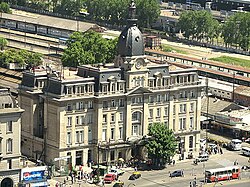
The General Manuel Belgrano Railway (Spanish: Ferrocarril General Manuel Belgrano, or FCGMB) stands as the longest railway system in Argentina. Named after the distinguished military and political leader Manuel Belgrano, this extensive network utilizes a metre gauge (1,000 mm), a technical standard chosen primarily for economic reasons during its early expansion. From its central hub in Retiro to the far reaches of Jujuy, the railway has evolved from a collection of private British and French lines into a state-managed pillar of Argentine transport.
Today, the network serves a diverse range of needs, providing essential commuter rail services in the Buenos Aires metropolitan area, regional passenger transport, and critical freight logistics across the interior of the country.
Key Facts
- Gauge: 1,000 mm (metre gauge).
- Status: Active, owned by the Government of Argentina.
- Primary Termini: Retiro (Buenos Aires) and Jujuy.
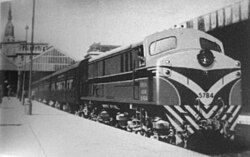
- Major Operators: Ferrovías (Norte line), Trenes Argentinos (Sur line and regional), and Belgrano Cargas (Freight).
- Historical Origin: Formed in 1948 following the nationalisation of foreign-owned railways.
- Notable Route: The "Tren a las Nubes" (Train to the Clouds) tourist service.
Historical Evolution and Nationalisation
Early Development
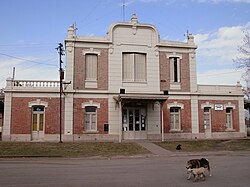
The roots of the network date back to 1876 with the Ferrocarril Central Norte, which connected Córdoba to Tucumán. As the first metre gauge line in Argentina, it set the precedent for further expansion into the North. By the early 20th century, the Argentine State Railway managed a network of 3,490 km, including the Central Norte and Argentino del Norte lines.
The Path to the Clouds
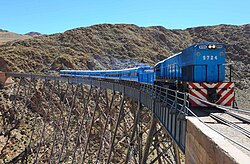
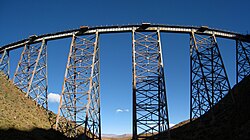
One of the most ambitious engineering feats began in 1905 with plans to access the Puna de Atacama. After decades of interruptions and political shifts, construction resumed under the direction of American engineer Richard Maury. The line finally opened in January 1948, linking Argentina and Chile at Socompa. This route featured 29 bridges, 21 tunnels, 13 viaducts, two zig-zags, and two spirals. In 1972, this extraordinary line was rebranded as the Tren a las Nubes for tourism.
The 1948 Nationalisation
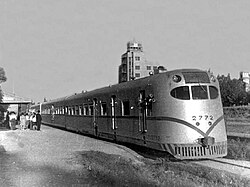
Following World War II, financial instability led British and French railway companies to sell their assets. On March 1, 1948, under President Juan Perón, the Argentine government nationalised these foreign companies, creating the Empresa de Ferrocarriles del Estado Argentino (EFEA), later known as Ferrocarriles Argentinos. The Belgrano Railway absorbed several metre gauge companies, including the Midland, Córdoba Central, and the Provincial de Santa Fe.
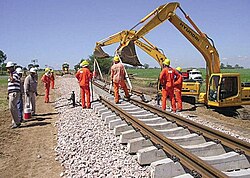
Regional Line Developments
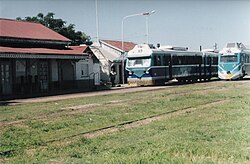
The Eastern Bolivian Connection
In a strategic move to connect the Atlantic and Pacific basins, Argentina financed and built a railway to Santa Cruz in Eastern Bolivia. Despite geopolitical competition with Brazil, the Yacuiba - Santa Cruz de la Sierra branch opened in 1958, integrating Argentine rails with Bolivian and Brazilian networks.
The Decline of Provincial Lines
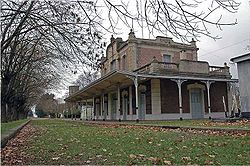
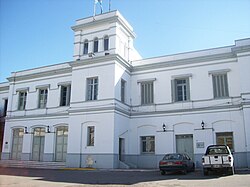
Over time, several regional branches faced closure. The Compañía General de Buenos Aires saw significant restructuring, with the Patricios to Victorino de la Plaza line closing in 1977. Similarly, the Ferrocarril Provincial saw its passenger services end in 1977, though its Avellaneda terminus was eventually preserved as a museum.
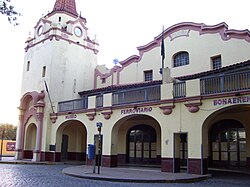
The Santa Fe and Tucumán Hubs
In Rosario, the former Provincial de Santa Fe terminus was converted into a bus station in the late 1950s, first named "Coronel Juan D. Perón" and later "Mariano Moreno." In Tucumán, passenger traffic shifted from the original "Provincial" station to the Central Northern Railway station (El Bajo) in the late 1960s, with the former closing entirely in 1978.
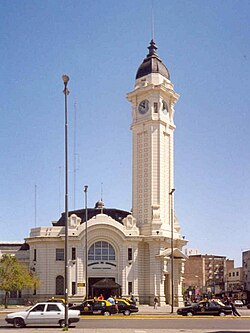
Privatisation and Modern Management
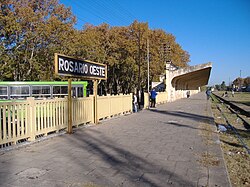
By the 1990s, the financial crisis of Ferrocarriles Argentinos led President Carlos Menem to initiate privatisation. Long-distance passenger services were largely halted in March 1993. The network was split into different operational concessions:
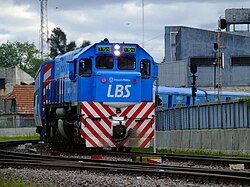
- Belgrano Norte: Granted to Ferrovías in 1994. This line saw massive investment in infrastructure and locomotives, increasing ridership from 11.8 million in 1993 to 36 million.
- Belgrano Sur: Initially granted to the private company Metropolitano in 1994.
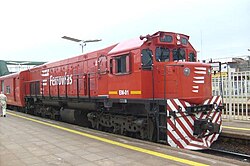
- Freight Services: Managed by Belgrano Cargas, transporting oil, fuel, grains, and minerals.
Current Suburban Services
Belgrano Norte
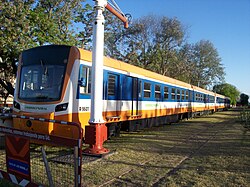
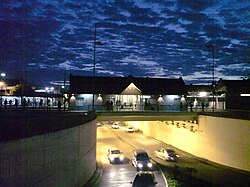
This diesel commuter line runs from the Retiro terminus in downtown Buenos Aires to Villa Rosa in the Pilar Partido. Operated by Ferrovías, it remains one of the most successful commuter segments of the original network.
Belgrano Sur
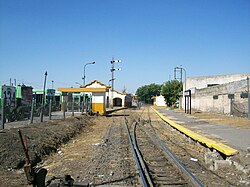
Originating from the former British-owned Buenos Aires Midland Railway, this service operates from Puente Alsina to Aldo Bonzi, with a further branch extending from Tapiales to Marinos del Crucero Gral. Belgrano in Merlo.
Network Summary
| Feature | Details |
|---|---|
| Track Gauge | 1,000 mm (Metre Gauge) |
| Nationalisation Date | March 1, 1948 |
| Primary Hub | Retiro, Buenos Aires |
| Key Passenger Lines | Belgrano Norte, Belgrano Sur, Tren de las Sierras |
| Freight Operator | Belgrano Cargas |
| Notable Engineering | La Polvorilla viaduct (Tren a las Nubes) |
Frequently Asked Questions
What is the gauge of the Belgrano Railway?
The Belgrano Railway uses a 1,000 mm metre gauge, which was adopted primarily for economic reasons during the construction of the early northern lines.
What is the "Tren a las Nubes"?
The "Train to the Clouds" is a famous tourist service that operates on a high-altitude line featuring 21 tunnels and 13 viaducts, including the La Polvorilla viaduct.
Who operates the Belgrano Norte line?
The Belgrano Norte line is operated by the private company Ferrovías, which took over the concession in 1994.
When were the Argentine railways nationalised?
The foreign-owned railway companies were nationalised on March 1, 1948, under the administration of President Juan Perón.
Does the Belgrano Railway still provide freight services?
Yes, freight services are managed by Belgrano Cargas, transporting essential goods such as oil, fuel, minerals, and grains.
Which passenger services still operate in the interior of the country?
Currently, the only remaining passenger services from the original Belgrano network in the interior are the Tren de las Sierras in Córdoba Province and services in Chaco Province.