Argentine Railway Privatisation: The Rise and Fall of a Neoliberal Experiment
Between 1989 and 1999, Argentina underwent a radical transformation of its transport infrastructure. Under the presidency of Carlos Menem, the government implemented a series of neoliberal economic reforms aimed at reducing state spending and increasing efficiency. The centerpiece of this effort was the privatisation of the state-owned railway company, Ferrocarriles Argentinos (FA).
This process involved breaking up the national network and granting concessions to private consortiums to operate the lines. While intended to modernize the system, the policy became a subject of intense criticism as service quality plummeted, infrastructure decayed, and many lines were closed entirely. The era of privatisation eventually came to an end in 2015 with the creation of Nuevos Ferrocarriles Argentinos, returning the network to state control.
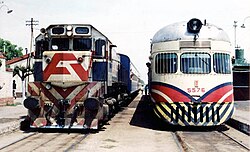
The Road to Privatisation
Following the nationalisation of railways in 1948 under Juan Perón, the network was managed by Ferrocarriles Argentinos (FA). The system was divided into six primary divisions: Sarmiento, Mitre, Urquiza, San Martín, Belgrano, and Roca.
By 1989, the system was in crisis. FA suffered from a chronic economic deficit, reaching approximately US$355 million per year—roughly US$1 million daily. Freight traffic had plummeted by nearly 45% between 1970 and 1990, dropping from 13,500 million tons to 7,500 million tons. Most locomotives and coaches were obsolete, leading to skyrocketing maintenance costs and a lack of new investment.
To address this, the National Congress passed Law 23,696 (Ley de Reforma del Estado), which empowered President Menem to declare states of emergency over state companies to facilitate their closure or sale. This period was marked by the president's stern warning to rail workers: "Ramal que para, ramal que cierra" ("A line that goes on strike is a line that will be closed").
Freight Services Concessions
With assistance from the World Bank, the Ministry of Public Works restructured freight services. Rather than allowing FA to compete, the government excluded the state company entirely, granting 30-year concessions (extendable by 10 years) to private operators. Under these terms, any infrastructure investments made by the companies would revert to the state at the end of the contract, while the operators retained their rolling stock.
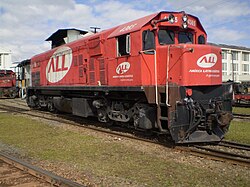
The network was divided into zones of interest based on traffic volume. Major players included Ferrosur Roca (owned by cement giant Loma Negra) and Ferroexpreso Pampeano (owned by Techint). The Belgrano Railway remained under state control the longest due to a lack of private interest, eventually being granted to the Belgrano Cargas S.A. consortium in 1999.
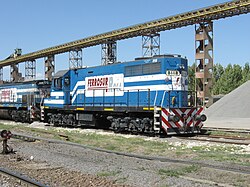
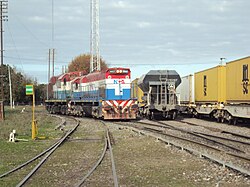
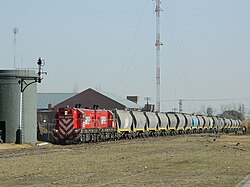
Freight Privatisation Summary
| Concessionaire | Railway/s | Gauge (mm) | Length (km) | Period |
|---|---|---|---|---|
| Ferroexpreso Pampeano | Sarmiento, Roca | 1,676 | 5,094 | 1991–2022 |
| Nuevo Central Argentino | Mitre | 1,676 | 4,900 | 1992–2022 |
| Ferrosur Roca | Roca | 1,676 | 3,145 | 1993–2023 |
| Buenos Aires al Pacífico | San Martín | 1,676 | 5,690 | 1993–1999 |
| América Latina Logística | Urquiza, San Martín | 1,435 / 1,676 | 2,704 / 5,690 | 1999–2013 |
| Belgrano Cargas | Belgrano | 1,000 | 9,860 | 1999–2013 |
Passenger and Commuter Rail
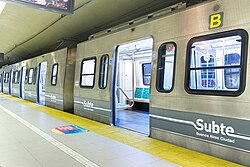
In 1991, the government created Ferrocarriles Metropolitanos S.A. (FEMESA) to manage urban passenger services and the metro (Subte) in Buenos Aires. Unlike freight, these services required public subsidies. Concessions were awarded to bidders requesting the lowest subsidy.
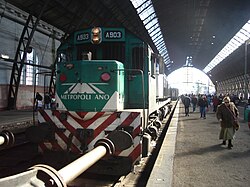
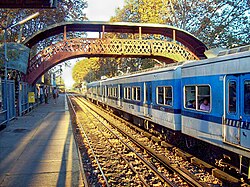
Major operators included Metrovías, Metropolitano, and Trenes de Buenos Aires (TBA). However, the quality of service deteriorated rapidly. Metropolitano's concessions were revoked between 2004 and 2007 due to poor performance. TBA's tenure ended abruptly following the Once rail disaster on February 22, 2012, which resulted in 51 deaths and over 700 injuries. This tragedy led to the revocation of TBA's contracts for the Mitre and Sarmiento lines.
Inter-city and Regional Services
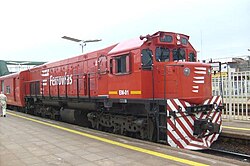
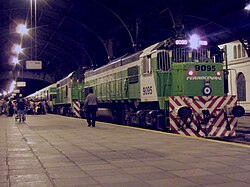
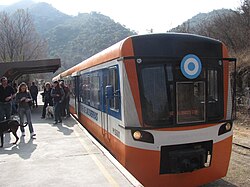
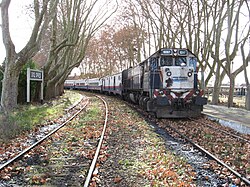
By 1993, the government discontinued most inter-city passenger services unless provincial governments assumed responsibility. This led to the creation of provincial entities such as Ferrobaires in Buenos Aires province, which operated until 2016, and Tren Patagónico in Río Negro.
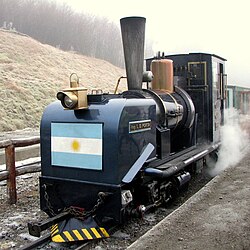
Some specialized lines also saw changes. The Southern Fuegian Railway, which had been closed since 1952, was revived in 1994 through a private concession that completely rebuilt the line. Conversely, La Trochita closed in 1992 due to lack of private interest but was later reopened as a cooperative venture between Río Negro and Chubut.
Key Facts
- Timeline: The privatisation process spanned from 1989 to 1999.
- Driver: The primary cause was a massive state deficit of US$355 million per year.
- Legal Basis: Law 23,696 (Ley de Reforma del Estado) enabled the privatisation.
- Outcome: Widespread infrastructure deterioration and service decline, leading to renationalisation in 2015.
- Major Tragedy: The 2012 Once rail disaster served as a catalyst for revoking private concessions.
Frequently Asked Questions
Why were the Argentine railways privatised?
The privatisation was driven by a severe economic deficit within Ferrocarriles Argentinos, obsolete rolling stock, and a significant decrease in freight traffic, which the Menem administration sought to resolve through neoliberal reforms.
What happened to the inter-city passenger services?
Most were discontinued in 1993 unless provincial governments agreed to fund them. This resulted in the creation of provincial companies like Ferrobaires and Tren Patagónico.
What was the result of the Once rail disaster?
The disaster, which killed 51 people, led to the federal intervention and subsequent revocation of the concessions held by Trenes de Buenos Aires (TBA) for the Mitre and Sarmiento lines.
When did the state regain control of the railways?
The privatisation process was effectively reversed in 2015 with the establishment of Nuevos Ferrocarriles Argentinos.
Which railway line remained under state control the longest during the freight privatisation?
The Belgrano Railway remained under state control until 1999 because there was a lack of interest from private investors.